The Circus
A bittersweet comedic ballet where laughter is accidental, love is unrequited, and the spotlight fades, leaving a solitary figure in an empty circus ring.
The Circus
The Circus

"The Circus is Here!"

06 January 1928 United States of America 72 min ⭐ 7.9 (850)
Director: Charlie Chaplin
Cast: Charlie Chaplin, Al Ernest Garcia, Merna Kennedy, Harry Crocker, George Davis
Drama Comedy Romance
Unrequited Love and Self-Sacrifice The Nature of Comedy Illusion vs. Reality Alienation and Loneliness
Budget: $9,000,000

The Circus - Ending Explained

⚠️ Spoiler Analysis

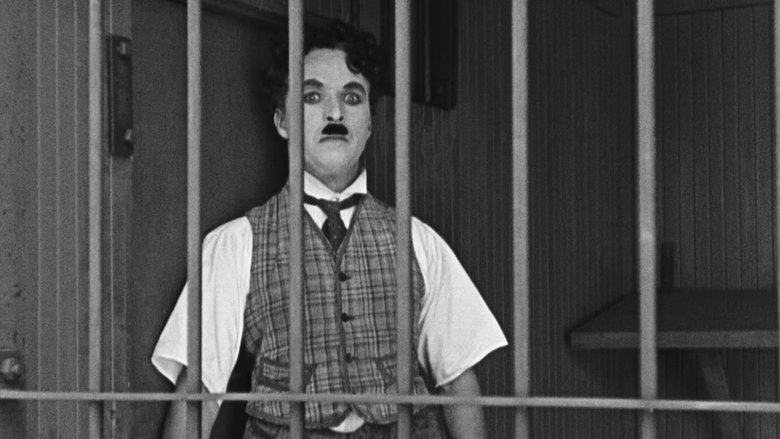
The central twist of The Circus is that the Tramp is a comedy star without ever knowing it. The Ringmaster deceitfully hires him as a property man, orchestrating situations where his natural clumsiness will erupt during the show, all while keeping the Tramp ignorant of his fame. Merna eventually reveals the truth to him, empowering the Tramp to demand fair pay and better treatment for her.

The film's emotional turning point comes when the Tramp, having fallen deeply in love with Merna, overhears a fortune teller predict she will marry a 'dark, handsome man' who is near. He joyfully assumes it is him, but his hopes are shattered when Merna falls for Rex, the newly hired tightrope walker. The heartbroken Tramp's comedic ability vanishes, and he is fired after several poor performances.

In the climax, Rex fails to appear for his performance, and the Ringmaster forces the Tramp to go on the high wire in his place. He survives a harrowing, monkey-infested walk, only to be berated by the Ringmaster afterward for not being funny. The Tramp attacks him and is fired for good. Merna runs away to be with the Tramp, but in an act of ultimate self-sacrifice, he finds Rex and brings him back to marry Merna. He even gives Rex the ring he had bought for her. The final scene shows the newly married couple rejoining the circus. As the wagons pull away, the Tramp is left alone in the empty ring. He watches them go, picks up a discarded paper star from Merna's act, looks at it sadly, and then, with a characteristic shrug, turns and walks jauntily away into the distance, alone once more.

Alternative Interpretations

The ending of The Circus is famously bittersweet and open to interpretation. One perspective is that it is a tragic conclusion, emphasizing the Tramp's ultimate failure to find love or a permanent place in society. He is left completely alone, his brief moment of stardom over, reinforcing his status as a perpetual outsider.

However, another, more optimistic reading sees the ending as a testament to the Tramp's resilience and nobility. By sacrificing his own happiness for Merna's, he achieves a moral victory. His final act of shrugging and jauntily walking away suggests an unbroken spirit. He is not defeated but is instead choosing his path, reaffirming his identity as a solitary wanderer who finds freedom in his independence. This interpretation views the ending not as a failure, but as a reaffirmation of the Tramp's essential character: bowed but never broken.

Furthermore, the film can be read as Chaplin's commentary on his own art and the transition to sound cinema. The circus, with its silent clowns and routines, 'moves on' without the Tramp, just as Hollywood was moving on from silent films. The Tramp's solitary walk away from the circus could be seen as Chaplin's defiant statement of artistic integrity, choosing to walk his own path rather than immediately conform to the new era of 'talkies'.