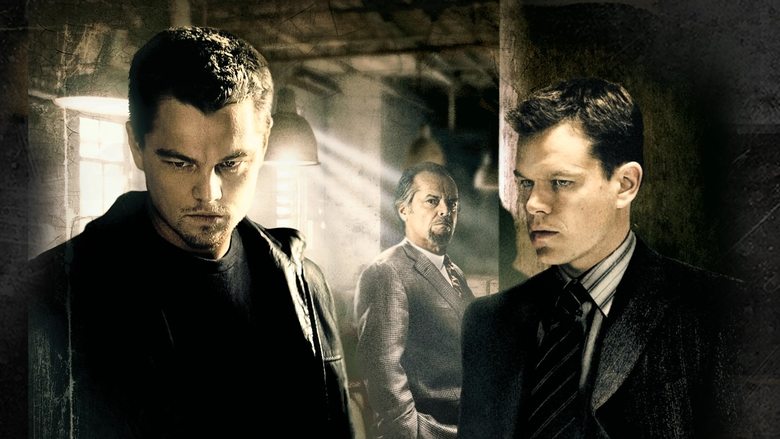
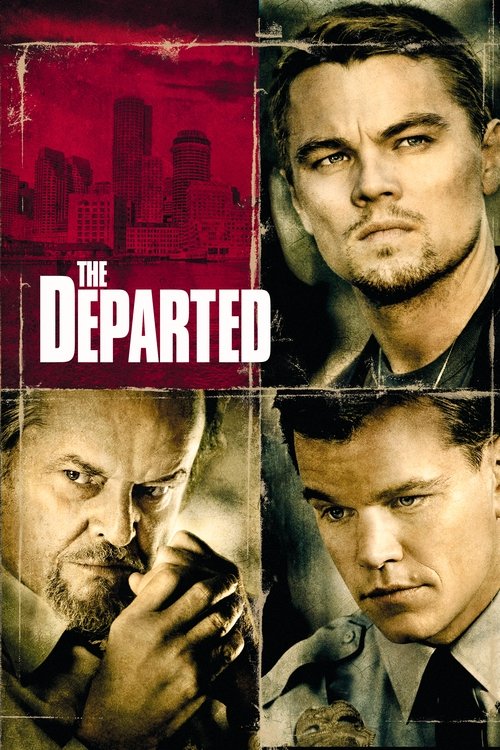
"Cops or criminals. When you’re facing a loaded gun, what’s the difference?"
The Departed - Symbolism & Philosophy
Symbols & Motifs
Rats
Rats are a blatant and recurring symbol of betrayal, duplicity, and the presence of informants within both the police force and the mob. The term 'rat' is used colloquially for a snitch, and the visual presence of rats, especially in the final shot, underscores the film's pervasive theme of corruption and untrustworthiness.
The film opens with a shot of a rat, and the final scene famously features a rat scurrying across Colin Sullivan's balcony railing, with the golden dome of the State House in the background. Frank Costello also speaks of a 'rat' in his organization, unaware that he is speaking to Billy, the actual informant.
The 'X' Motif
The letter 'X' is a recurring visual motif that foreshadows death. This is a direct homage to Howard Hawks' 1932 film "Scarface," where the 'X' was used to mark characters for death. Its presence throughout "The Departed" serves as a visual cue that a character is in mortal danger.
The 'X' appears in numerous scenes, often subtly. Examples include the cross-beam supports at the airport when Costigan is on the phone, the taped windows of the building Queenan is thrown from, and the pattern on the carpet in Sullivan's apartment building just before he is killed.
The Golden Dome of the Massachusetts State House
The golden dome symbolizes the legitimate power and ambition that Colin Sullivan craves. It represents a level of status and respectability that is in stark contrast to his corrupt and criminal allegiances. For Colin, the dome is a visual metaphor for the life he is trying to build, a life free from the underworld.
The golden dome is often seen in the background of shots featuring Colin Sullivan, most notably from the window of his apartment. The final shot of the film frames a rat on his balcony with the dome in the distance, suggesting that corruption has tainted his aspirations for legitimacy.
Philosophical Questions
What is the nature of identity when one is forced to live a lie?
The film delves into existential questions about the self. Both Billy and Colin struggle to maintain their true identities while performing their undercover roles. The film explores how their assumed personas begin to merge with their real selves, raising the question of whether a person's identity is an inherent quality or something that is constructed and can be lost through deception.
Can true justice exist in a corrupt system?
"The Departed" presents a world where both law enforcement and organized crime are deeply corrupt. The film questions whether justice can be achieved through traditional channels when those channels are compromised. The ending, with Dignam acting as a vigilante, suggests that in such a world, justice may only be possible outside the confines of the law.
Is there an inherent difference between 'good' and 'evil'?
Through the parallel lives of Billy and Colin, the film explores the blurred lines between morality and immorality. Both characters are forced to commit acts that contradict their allegiances. The film suggests that good and evil are not absolute but are often a matter of perspective and circumstance, especially when survival is at stake.
Core Meaning
The core meaning of "The Departed" revolves around the malleability and ultimate erosion of identity in the face of pervasive corruption and deception. The film posits that in a morally compromised world, the distinctions between 'good' and 'evil' become dangerously blurred, and the self is a fragile construct. Director Martin Scorsese explores the psychological torment of living a double life, suggesting that such profound duplicity inevitably leads to self-destruction. The film serves as a cynical commentary on the illusion of justice and the idea that institutions, whether law enforcement or organized crime, are equally susceptible to corruption from within. Ultimately, "The Departed" is a tragic exploration of how the roles we play can consume us, leaving behind only the hollow shell of who we once were.