
Skip to content
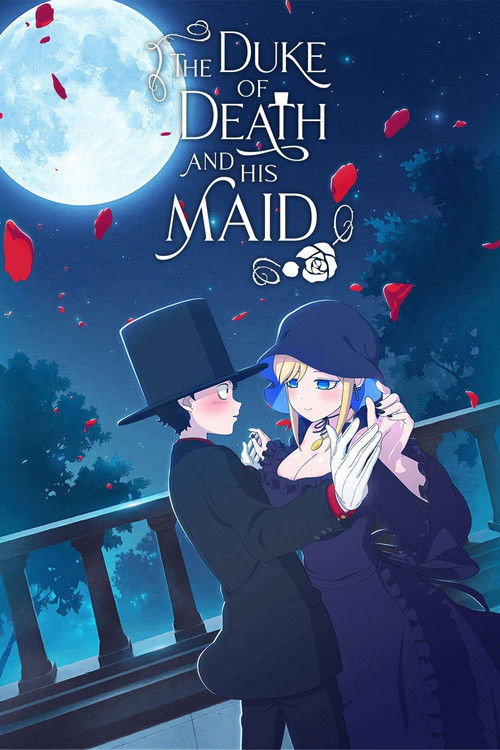
The Duke of Death and His Maid
A melancholic yet whimsical gothic romance where tender yearning blossoms across an impassable barrier. Separated by a lethal curse, love persists through devotion and emotional warmth that requires no physical touch.
The Duke of Death and His Maid

死神坊ちゃんと黒メイド

04 July 2021 — 23 June 2024 Japan 1 season 36 episode Ended 7.8 (117)

Cast: Natsuki Hanae, Ayumi Mano, Hochu Otsuka, Inori Minase, Wakana Kuramochi

Animation Sci-Fi & Fantasy Comedy Intimacy, Longing, and Non-Physical Connection Isolation, Marginalization, and Found Family Generational Trauma, Empathy, and Forgiveness Defiance of Social Hierarchy and Predestined Roles

The Duke of Death and His Maid — Ending Explained

⚠️ Spoiler Analysis

The overarching mystery reveals that Viktor was cursed at age five by the witch Sade, who was driven by intense isolation and bitterness caused by centuries of witch persecution. Alice’s mother, Sharon Lendrott, was not deceased but placed in a magical stasis by Sade to protect Alice.

In the final season, the allies utilize Zain’s time-travel magic to journey into the past. Rather than using violence to destroy Sade, Viktor approaches her with genuine empathy, acknowledging her grief and offering unconditional friendship. This act of retroactive compassion dissolves Sade's lingering spiritual malice: Sharon awakens from her coma, and Viktor's death curse permanently lifts, allowing him to touch Alice safely for the first time in over a decade.

In the resolution, Viktor willingly cedes the family headship and dukedom to his brother Walter, choosing an authentic, peaceful life with Alice. The series concludes with Viktor and Alice’s wedding, uniting humans and witches in celebration.

Alternative Interpretations

Critics and viewers have interpreted the series through several distinct lenses:

  • Metaphor for Chronic Illness and Disability: Viktor's curse is frequently analyzed as an allegory for living with an invisible disability, severe contagious illness, or chronic trauma, highlighting the psychological burden of feeling hazardous to loved ones and the power of unconditional acceptance.
  • Critique of Feudal Aristocracy: Viktor's conflict with his mother and his decision to surrender his title to Walter to marry a commoner maid critiques aristocratic rigidity, showing that true nobility lies in personal integrity rather than hereditary status.
  • Debates on Sade's Redemption: Some view the swift emotional redemption of Sade as a profound statement on retroactive empathy, while others view it as an idealized fairy-tale convention that prioritizes emotional catharsis over systemic justice.

Explore More About This Movie

Dive deeper into specific aspects of the movie with our detailed analysis pages

Similar Movies