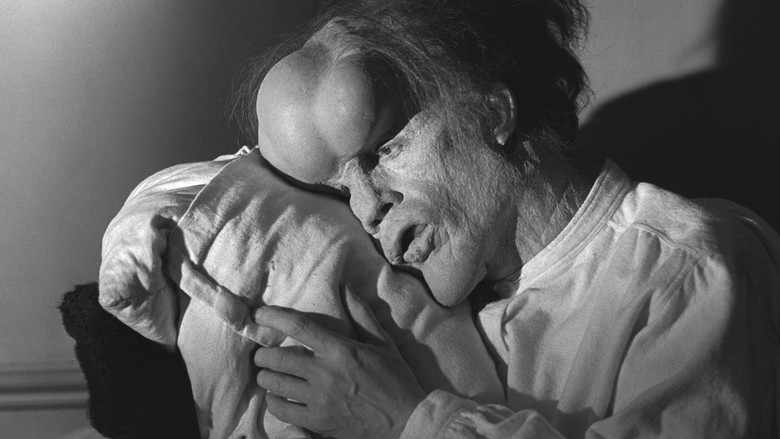
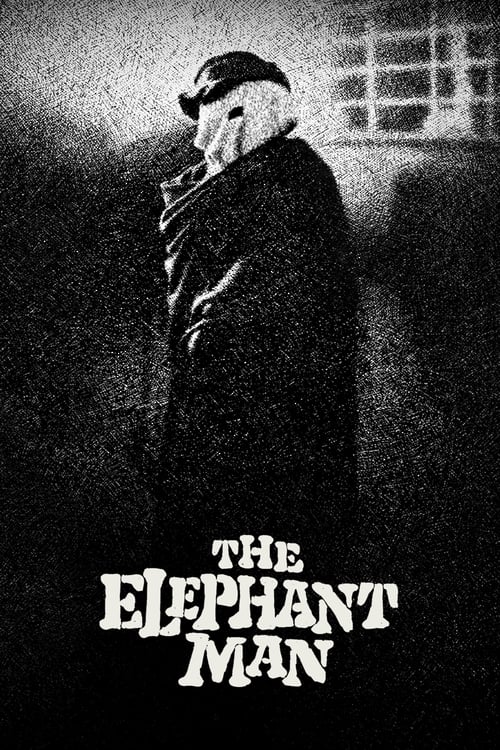
The plot of "The Elephant Man" follows John Merrick's journey from a tormented sideshow exhibit to a man embraced by society. Dr. Frederick Treves rescues him from a cruel showman, Mr. Bytes, and gives him a home at the London Hospital. The first major turn is the revelation that Merrick, long assumed to be an "imbecile," is highly intelligent, articulate, and sensitive. He learns to speak more clearly and demonstrates his intelligence by reciting the 23rd Psalm. His gentle nature wins over the hospital staff, and through the friendship of actress Madge Kendal, he becomes a celebrated figure in London's high society, even meeting the Princess of Wales.
The central conflict escalates when the hospital's night porter, Jim, begins secretly selling tickets for drunken locals to sneak in at night and torment Merrick. This culminates in a horrific scene where Merrick is abused and forced to look at his own reflection. Shortly after, Mr. Bytes reappears, kidnaps Merrick, and forces him back into the freak show circuit on the European continent. Beaten and weak, Merrick is eventually helped to escape by his fellow sideshow performers, who recognize his humanity. He makes his way back to London but is mobbed at Liverpool Street Station, leading to his iconic cry, "I am not an animal!" before he is rescued by police and returned to Treves.
The ending is the film's most poignant and final twist. After a triumphant night at the theatre where he is given a standing ovation by the audience, Merrick returns to his room. He has completed his model of the cathedral, symbolizing the completion of his life's journey toward acceptance. Knowing that his condition requires him to sleep sitting up to avoid asphyxiation, he makes a conscious decision to lie down in his bed "like normal people." He removes his pillows, lies down, and peacefully dies in his sleep. The final shot is a vision of his mother's face in the stars, quoting Tennyson: "Nothing will die." His death is not a defeat but a final, autonomous act of achieving the normalcy he always craved.