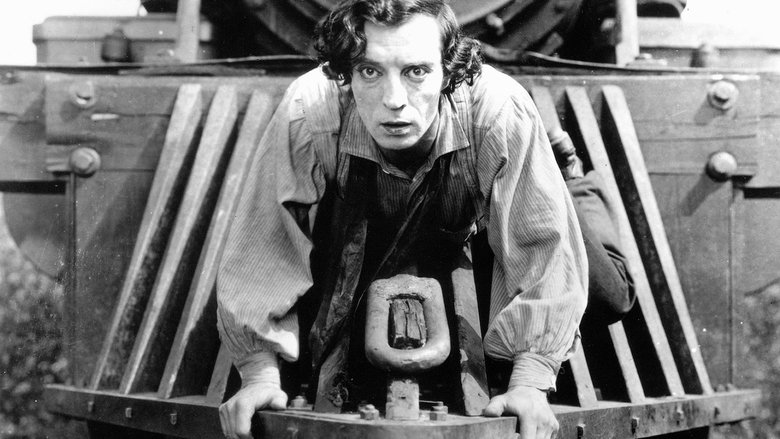
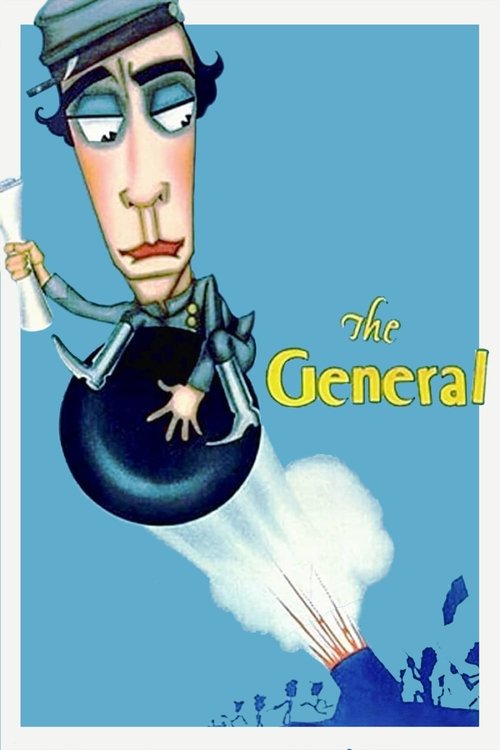
The entire plot of "The General" is built on a symmetrical chase structure. After Johnnie Gray is rejected by Annabelle for not being a soldier, his beloved locomotive is stolen by Union spies with Annabelle as an unwitting passenger. The first half of the film is Johnnie's desperate, single-handed pursuit north. He commandeers another engine, "The Texas," and overcomes a series of obstacles set by the spies, such as disconnected cars and railroad ties on the tracks, in a series of brilliantly executed gags.
After a long chase, Johnnie finds himself behind enemy lines. He hides and fortuitously overhears a meeting of Union generals discussing plans for a surprise attack, with the Rock River Bridge being a key strategic point. He then finds and rescues Annabelle from the room where she is being held captive. Together, they steal back "The General" in the dead of night.
The second half of the film mirrors the first, with Johnnie and Annabelle now being the ones pursued by the Union army as they race south. Johnnie now uses the same tactics against his pursuers that were used against him. The climax occurs when Johnnie reaches the Rock River Bridge ahead of the Union forces and sets it on fire. The pursuing Union train attempts to cross the burning bridge, which collapses spectacularly, sending the locomotive crashing into the river below. This act halts the Union advance and throws their attack into chaos. The Confederate army, alerted by Johnnie, arrives to fight off the remaining soldiers. For his bravery, Johnnie is rewarded not with a simple enlistment but with a commission as a lieutenant. In the final scene, he is finally in uniform, able to accept Annabelle's love while awkwardly trying to salute passing soldiers.