
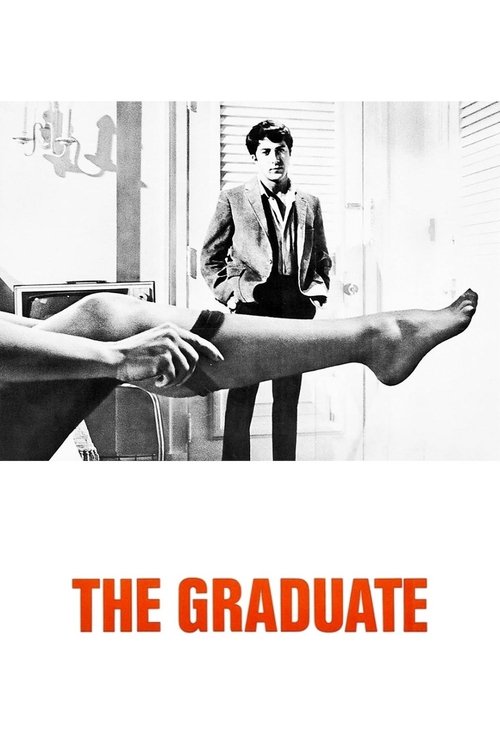
The plot subverts romantic comedy expectations by having the protagonist sleep with the mother of his eventual love interest. The affair with Mrs. Robinson is revealed to be entirely devoid of passion, serving merely as an anesthetic for Benjamin's existential dread. The narrative twists when Benjamin is forced to date Elaine, and what was supposed to be a spiteful evening turns into genuine affection.
When Mrs. Robinson threatens to ruin everything, Benjamin preemptively confesses the affair to Elaine, causing her to flee back to Berkeley. The final act shifts into a chaotic chase, culminating in the iconic church scene. Benjamin arrives just as Elaine has married Carl. In a frantic climax, he uses a large crucifix to lock the furious wedding guests inside the church, literalizing his rejection of traditional, religious, and societal institutions.
The ultimate twist lies in the final shot. They escape onto a public bus, initially elated. But as the camera lingers, their smiles drop, replaced by sheer anxiety and silence. The hidden meaning becomes clear: they have successfully destroyed the path laid out for them, but they have absolutely no idea what to do next. The "happy ending" is completely deconstructed, leaving a haunting commentary on the reality of youthful rebellion.