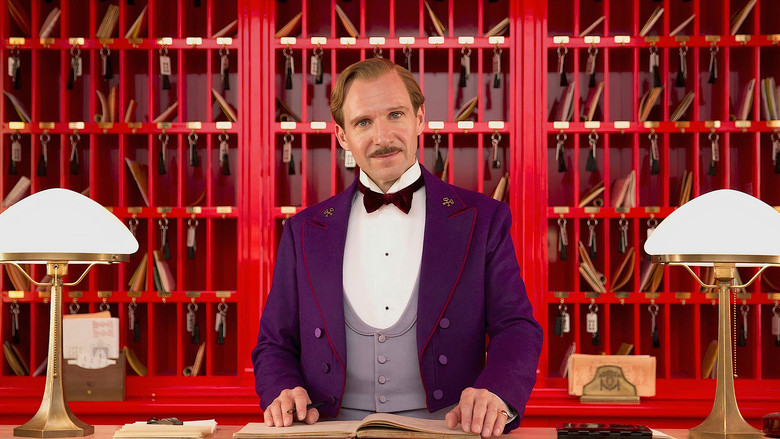
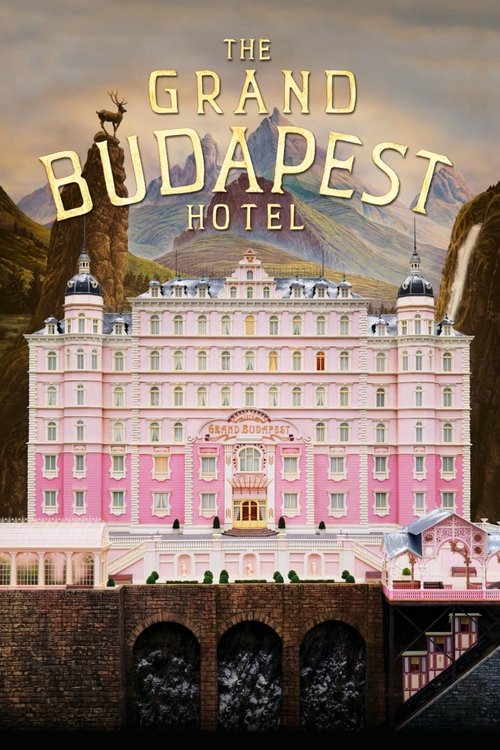
"A murder case of Madam D. with enormous wealth and the most outrageous events surrounding her sudden death!"
Director: Wes Anderson
Cast: Ralph Fiennes, F. Murray Abraham, Mathieu Amalric, Adrien Brody, Willem Dafoe
The Grand Budapest Hotel — Movie Quotes
Memorable Quotes
You see, there are still faint glimmers of civilization left in this barbaric slaughterhouse that was once known as humanity... Indeed, that's what we provide in our own modest, humble, insignificant... Oh, f**k it.
Context
Gustave says this to Zero on a train, after Inspector Henckels (an old friend) intervenes on their behalf with soldiers. It is a moment of reflection on his life's work and the state of the world.
Meaning
This line encapsulates the film's central theme. It is Gustave's mission statement: to provide a pocket of civility and grace in an increasingly brutal world. The final, exasperated profanity adds a touch of cynical realism, acknowledging the difficulty and perhaps futility of his task.
Rudeness is merely an expression of fear. People fear they won't get what they want. The most dreadful and unattractive person only needs to be loved, and they will open up like a flower.
Context
Gustave delivers this line as part of a speech to the hotel staff during their daily briefing, instructing them on the proper way to treat the guests, no matter how difficult they may be.
Meaning
This quote reveals the philosophy behind Gustave's impeccable service. It shows his deep, albeit theatrical, empathy and his belief that kindness can transform people. It's a core tenet of the civilized world he champions.
To be frank, I think his world had vanished long before he ever entered it. But I will say, he certainly sustained the illusion with a marvelous grace.
Context
Spoken by the elder Zero to the Author at the end of their dinner. It's his final, bittersweet summary of his mentor's life and the world he tried to build.
Meaning
This is the film's poignant thesis statement. It acknowledges that the golden era Gustave represented was already a fantasy, an anachronism. Yet, it celebrates his dedication to maintaining that illusion as a noble and beautiful act in itself.
Take your hands off my lobby boy!
Context
On a train, military police are harassing Zero for his immigrant papers. Gustave, who had previously been condescending, erupts in fury and defends him, risking his own safety.
Meaning
This is a pivotal moment in Gustave and Zero's relationship. It's the first time Gustave demonstrates a fierce, protective, almost paternal loyalty to Zero, defending him not as an employee but as someone he truly cares for. It solidifies their bond beyond that of master and apprentice.
Explore More About This Movie
Dive deeper into specific aspects of the movie with our detailed analysis pages