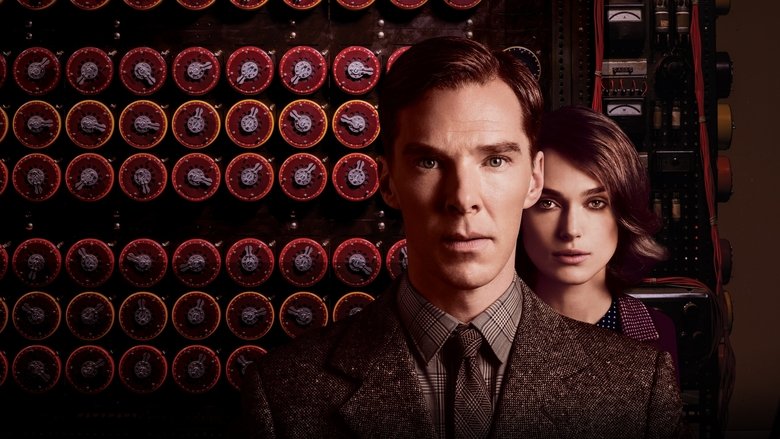

The central twist of the second act is not just that the team cracks the Enigma code, but the immediate, horrifying realization that follows: they cannot use their knowledge freely. After their 'eureka' moment, sparked by realizing they can search for repeated, predictable words like 'Heil Hitler' in the coded messages, the team is euphoric. However, Turing immediately understands that acting on every decoded message would reveal their capability to the Germans, who would then change the code, rendering their machine useless. This forces them into a chilling moral calculus, deciding which Allied ships to save and which to sacrifice to maintain the illusion of German security. This elevates the film from a simple 'race-against-time' thriller to a complex moral drama where victory creates an even greater burden.
Another key revelation is that John Cairncross is a Soviet spy, but that MI6 head Stewart Menzies already knows. Menzies reveals to Turing that he is using Cairncross to leak selected information to the Soviets, who were then Allies. This adds a layer of Cold War espionage to the WWII narrative and complicates Turing's moral position, as he is forced into complicity to protect his own secret of being gay. This entire subplot is a major historical fabrication designed to heighten the film's themes of secrecy and moral compromise.
The film's ending is its most tragic and impactful revelation for viewers unfamiliar with Turing's life. After the immense triumph of his work, which is shown to have saved millions of lives, the epilogue reveals his devastating fate. He was convicted of 'gross indecency' in 1952 and forced to undergo chemical castration to avoid prison. The final scenes show a physically and mentally deteriorated Turing visited by Joan Clarke, a shadow of his former self. A final title card states he died by suicide a year after the hormone therapy began. This stark contrast between his secret, heroic contribution to humanity and his public, cruel punishment is the film's ultimate emotional blow, leaving the audience with a profound sense of injustice.