Intouchables
"Sometimes you have to reach into someone else's world to find out what's missing in your own."
Director: Éric Toledano, Olivier Nakache
Cast: François Cluzet, Omar Sy, Anne Le Ny, Audrey Fleurot, Joséphine de Meaux
The Intouchables — Movie Quotes
Memorable Quotes
My true disability is not having to be in a wheel chair. It's having to be without her.
Context
Philippe says this to Driss in a moment of vulnerability, explaining the true source of his suffering. It is a key moment in the development of their friendship, as it allows Driss to see beyond the physical disability to the man's heart.
Meaning
This poignant line reveals the depth of Philippe's emotional pain, which he considers a greater burden than his physical paralysis. It underscores the theme that emotional and spiritual well-being are as crucial as physical health and highlights his profound love for his late wife.
Tell me Driss, why do you think people are interested in art? [...] That's because it's the only thing one leaves behind.
Context
Philippe poses this question to Driss while they are in a gallery, and Driss initially suggests it's just a business. Philippe's answer reveals a more philosophical outlook, which he is trying to impart to Driss.
Meaning
This quote encapsulates Philippe's perspective on life, legacy, and the enduring power of human creation. It reflects his cultured background and his contemplation of what truly lasts beyond a person's lifetime.
100 euros says I can lose them.
Context
This is said by Driss to Philippe at the beginning of the film during the police chase. It sets the tone for their dynamic – a relationship built on shared adventure and a playful disregard for convention.
Meaning
This quote perfectly captures Driss's impulsive, thrill-seeking nature and his ability to pull Philippe out of his staid existence into a world of excitement and risk-taking.
Where do you find a paraplegic? Where you leave him.
Context
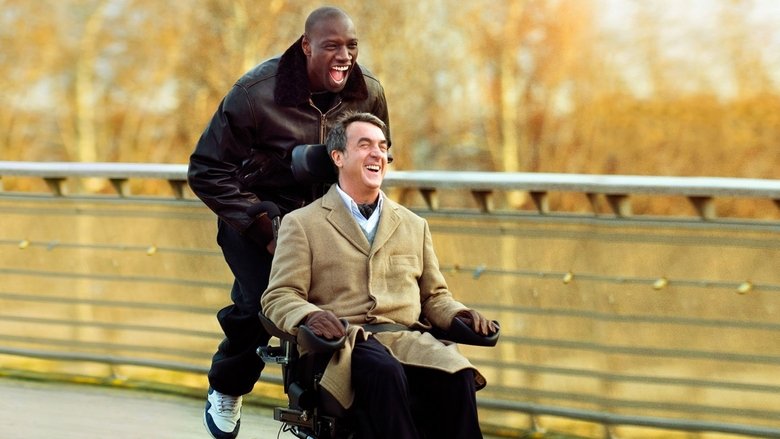
Driss tells this joke to Philippe, who, after a moment of surprise, bursts into laughter. It's a pivotal scene that demonstrates Philippe's appreciation for Driss's irreverence and their shared, unconventional sense of humor.
Meaning
This is a prime example of the film's use of humor to deal with the sensitive subject of disability. Driss's joke, while seemingly offensive, is exactly the kind of treatment Philippe craves – to be addressed without pity and with a sense of normalcy.
Explore More About This Movie
Dive deeper into specific aspects of the movie with our detailed analysis pages