Skip to content
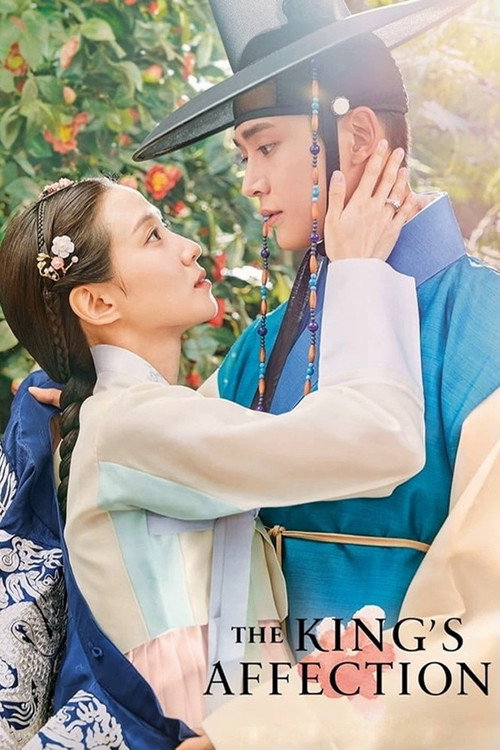
The King's Affection
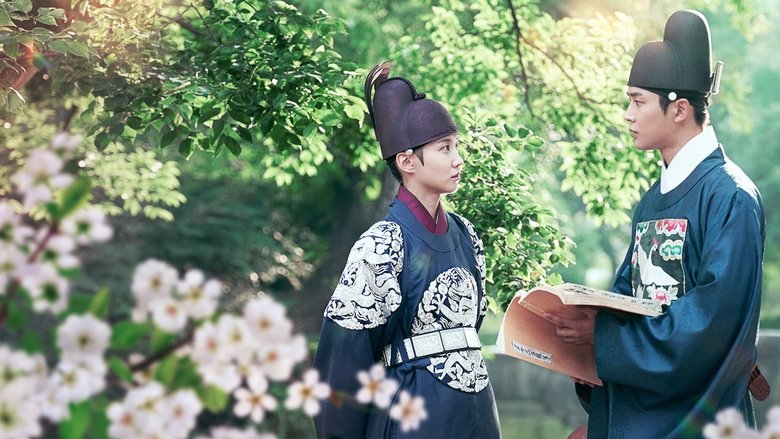
Set within the perilous halls of the Joseon court, this historical romance weaves a bittersweet tapestry of forbidden passion and hidden identity, evoking a haunting sensation of walking a tightrope over an abyss.
The King's Affection

연모

11 October 2021 — 14 December 2021 South Korea 1 season 20 episode Ended 8.1 (298)

Cast: Park Eun-bin, Rowoon, Nam Yoon-su, Bae Yoon-kyung, Choi Byung-chan

Drama Identity, Authenticity, and Performance of Duty Love as Liberation and Refuge Tyranny, Political Corruption, and Moral Responsibility Gender Expectations and Agency Sacrificial Loyalty and Familial Legacy

The King's Affection — Ending Explained

⚠️ Spoiler Analysis

Throughout the series, Lord Sangheon operates as the puppet master behind the throne. When King Hyejong tries to break free, Lord Sangheon poisons him with a rare herbal toxin. Dam-yi ascends the throne as King to protect her court and investigate her father's murder.

In the final episodes, Lord Sangheon discovers that King Lee Hwi is actually the female twin Dam-yi and launches a bloody coup. Realizing military force cannot stop him without endless bloodshed, Dam-yi invites Lord Sangheon to a private tea session with tea laced with the same lethal poison. Dam-yi calmly drinks first to reassure him; Lord Sangheon drinks as well and dies on the floor.

Dam-yi hovers near death but is saved by Ji-woon's medical expertise. Prince Lee Hyun ascends the throne as the new King, declares that 'Crown Prince Lee Hwi' died in the rebellion, and expunges all royal records of her male persona. Dam-yi is granted full legal pardon, restored to her true identity as a commoner woman, and lives a quiet life by the sea with Ji-woon.

Alternative Interpretations

Critics and scholars have analyzed the narrative through multiple lenses:

  • Feminist Triumph vs. Patriarchy Re-assertion: One reading views Dam-yi's abdication as a feminist victory where she rejects the patriarchal burden of the monarchy to claim her true identity and joy. An alternative reading argues that her abdication reinforces traditional norms, as supreme power is handed back to a man (Lee Hyun), suggesting a woman could only rule while disguised as male.
  • The Allegory of Queer Romance: Many viewers analyze Ji-woon's devotion as a progressive allegory for queer love. Ji-woon falls deeply in love with Lee Hwi when he believes Lee Hwi is genuinely a man, emphasizing that love transcends gender binaries.

Explore More About This Movie

Dive deeper into specific aspects of the movie with our detailed analysis pages

Similar Movies