The film does not rely on twists but on the tension of the final performance. The climax is the King's delivery of the September 3, 1939 speech declaring war. He succeeds, managing his stammer with Logue conducting him like a maestro in a small room. The emotional payoff reveals that he didn't receive a 'miracle cure'—he still stammers occasionally—but he has conquered his paralyzing fear. He walks out onto the balcony with his family to thunderous applause, finally comfortable in his role as King.
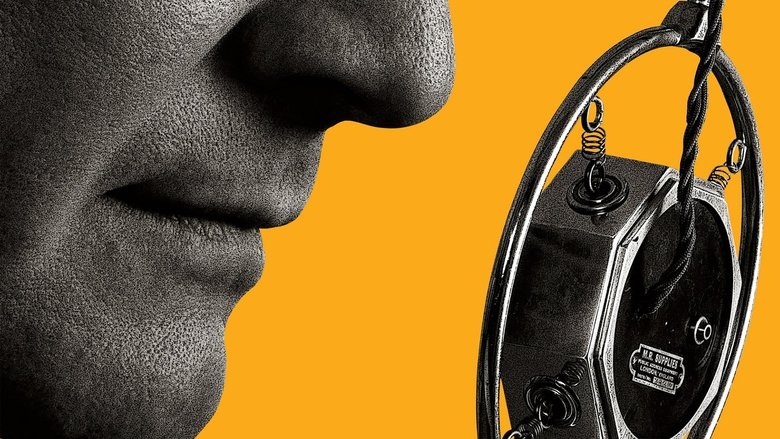
In the claustrophobic shadow of a looming world war, a reluctant monarch battles his own voice. A visual symphony of wide lenses and stifled silence where a microphone becomes a terrifying instrument of torture and, ultimately, liberation.
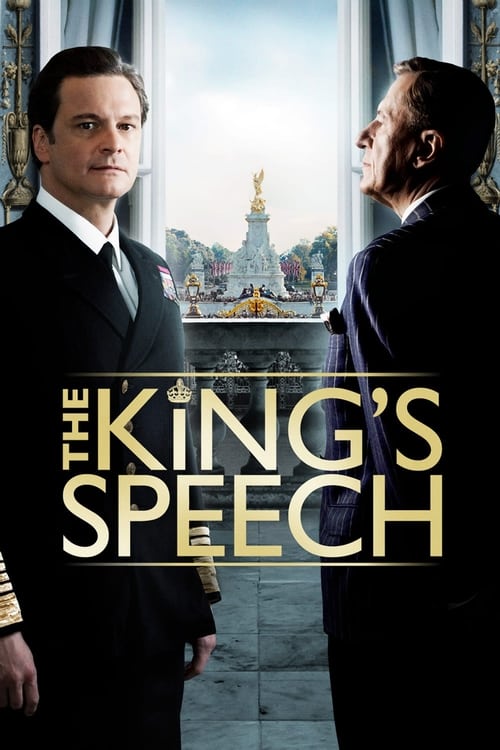
The King's Speech
"Find your voice."
26 November 2010
United Kingdom
118 min
7.7
(9,127)
Director: Tom Hooper
Cast: Colin Firth, Geoffrey Rush, Helena Bonham Carter, Guy Pearce, Timothy Spall
Drama
History
Voice and Communication
Friendship and Equality
Duty vs. Fear
Budget:
$15,000,000
Box Office:
$414,211,549
The King's Speech — Ending Explained
⚠️ Spoiler Analysis
Alternative Interpretations
While largely straightforward, some critics view the film as an 'Anti-Pygmalion' story. Unlike Pygmalion (or My Fair Lady), where a lower-class subject is taught to speak 'properly' to fit into high society, here a high-status monarch must learn to loosen up and speak like a 'common man' to connect with his people. Another reading suggests the film is less about speech mechanics and more about psychotherapy, with Logue acting as a proto-Freudian analyst unlocking the King's childhood trauma (abusive nanny, corrective splints) rather than just treating the physical symptoms.
Explore More About This Movie
Dive deeper into specific aspects of the movie with our detailed analysis pages