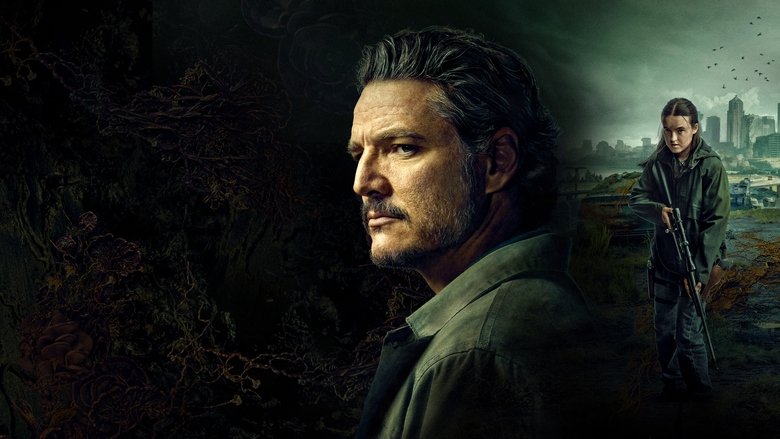
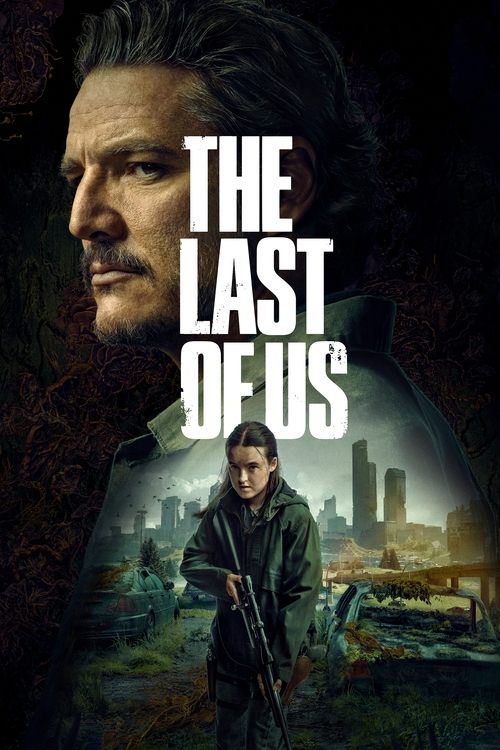
The entire narrative of Season 1 hinges on two pivotal moments of violence and love. The story begins in 2003 with the Cordyceps outbreak, where Joel Miller fails to save his 14-year-old daughter, Sarah, who is shot and killed by a soldier. This event emotionally hollows him out for the next twenty years.
In 2023, Joel is a hardened smuggler who takes on a job to escort another 14-year-old, Ellie, across the country. The crucial plot twist is that Ellie is immune to the Cordyceps infection that has ravaged the world. Their journey is a series of brutal trials: Joel's partner Tess sacrifices herself after being infected; they witness the tragic murder-suicide of brothers Henry and Sam after the younger boy is infected; and Ellie is forced to brutally kill a cannibal leader named David who captures her. Through these events, Joel's cold exterior cracks, and he forms a deep, paternal bond with Ellie, seeing her as a surrogate daughter.
The climax occurs when they reach the Fireflies. Their leader, Marlene, reveals that to create a potential vaccine, they must operate on Ellie's brain, which will kill her. Unable to let another daughter die, Joel makes a unilateral decision. He massacres the Firefly soldiers, murders the lead surgeon in the operating room, and kills an unarmed Marlene to eliminate any pursuit. He takes an unconscious Ellie and flees. When Ellie wakes up, she asks what happened. The series' final, devastating twist is Joel's lie: he tells her the Fireflies had found dozens of other immune people and had stopped looking for a cure. She makes him swear it's true, and he does, ending the season with their relationship now founded on a terrible, protective lie that robs Ellie of her agency and purpose.