The Leopard
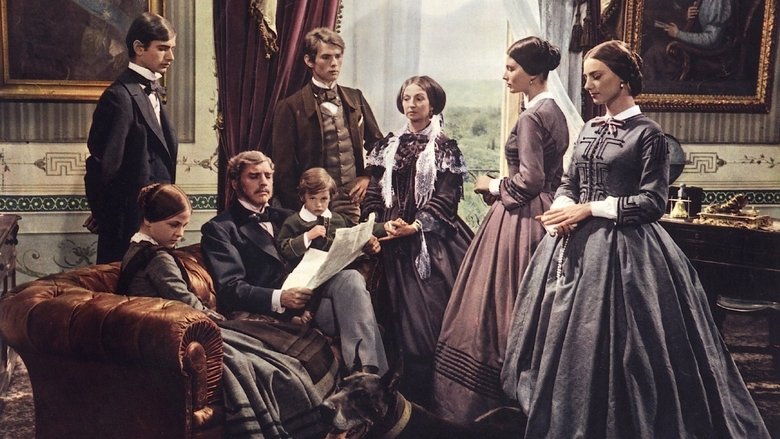
An opulent, melancholic epic capturing the fading sunlight of Sicilian aristocracy. Through the eyes of an aging prince, it portrays the inevitable decay of a noble era and the cynical rise of a new order, culminating in a waltz with death.
The Leopard
The Leopard

Il gattopardo

"Luchino Visconti's enduring romantic adventure"

27 March 1963 France 186 min ⭐ 7.7 (915)
Director: Luchino Visconti
Cast: Burt Lancaster, Claudia Cardinale, Alain Delon, Paolo Stoppa, Rina Morelli
Drama
The Decay of Aristocracy vs. The Rise of the Bourgeoisie Mortality and The Passage of Time Political Opportunism (Trasformismo) Isolation and Solitude

The Leopard - Ending Explained

⚠️ Spoiler Analysis

The Ending: After the long, exhausting ball, the Prince ensures Tancredi and Angelica are settled. He walks home alone at dawn. He passes a priest hurrying to give last rites to someone else, and kneels in the street.

The Meaning: This final walk symbolizes his acceptance of death. He realizes he is the last of his kind. He looks up at the Morning Star (Venus) and pleads, "O Faithful Star... when will you give me an appointment less ephemeral?" He yearns for death to take him out of the flow of time and into eternity, leaving the new Italy to the jackals.

Alternative Interpretations

Marxist vs. Nostalgic Reading: Critics have long debated whether the film is a Marxist critique of the aristocracy (showing their decadence and inevitable fall) or a nostalgic love letter to them. Visconti, a communist member of the nobility, likely intended both: a condemnation of the class structure but a personal mourning for the loss of its aesthetic values.

The 'Passive' Hero: Some view the Prince as a failure who refuses to act, while others see his passivity as the only dignified response to an unbeatable historical tide—a form of Stoic resistance.