"The journey continues."
The Lord of the Rings: The Two Towers - Ending Explained
⚠️ Spoiler Analysis
The Two Towers masterfully builds on the first film's foundation, splitting its narrative to expand the world and raise the stakes. The central twist is the return of Gandalf. Presumed dead after his fall with the Balrog, his reappearance as Gandalf the White is a pivotal moment, shifting the balance of power. He is no longer just a guide but a powerful warrior and commander, able to break Saruman's hold over King Théoden and rally the forces of Rohan.
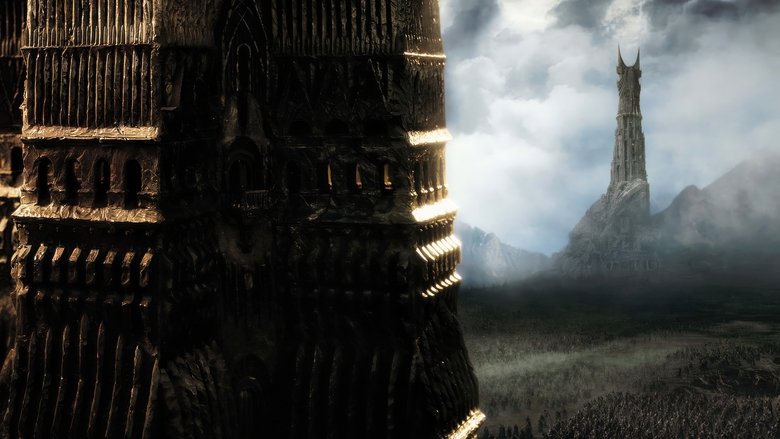
The film's climax is twofold. First, the Battle of Helm's Deep concludes with a seemingly miraculous victory. Just as the defenders are about to be overrun, Gandalf arrives at dawn with Éomer and the Riders of Rohan, charging down the mountain to break the Uruk-hai army. Simultaneously, Merry and Pippin successfully convince the Ents to go to war. They march on Isengard, flooding it and destroying Saruman's war machine, trapping the wizard in his tower. This victory of nature over industry is a key thematic resolution.
The Frodo and Sam storyline ends on a dark cliffhanger. After showing signs of redemption, the Sméagol personality is crushed by Gollum, who resolves to betray the hobbits. The film's final shot shows Gollum leading them toward Cirith Ungol, telling his reflection of his plan to lead them to "her" (the giant spider Shelob) to die, so he can reclaim the Ring. This ending reveals that the kindness Frodo showed Gollum was ultimately not enough to overcome the Ring's corruption, setting up the primary threat for the beginning of the next film.
Alternative Interpretations
While the primary reading of The Two Towers is a heroic fantasy about good versus evil, several alternative interpretations exist. One of the most prominent, drawn from Tolkien's own experiences, is an anti-war reading. The film doesn't glorify battle; instead, it emphasizes its cost: the fear in the eyes of boy soldiers, the grief of the king, and the destruction of the land. The Battle of Helm's Deep is portrayed not as a glorious adventure but as a desperate, terrifying struggle for survival.
Another interpretation views the film as a powerful environmentalist allegory. Saruman's destruction of Fangorn Forest to fuel his war machine is a stark metaphor for industrialization's ravaging of the natural world. The Ents' subsequent attack on Isengard can be seen as a form of ecological revenge, a literal representation of nature fighting back against its destruction. This theme resonated strongly with contemporary concerns about environmental degradation and corporate greed.
Finally, some critics have interpreted the story through a psychological lens, focusing on Frodo's journey as an exploration of addiction and trauma. The Ring is akin to an addictive substance that isolates him, alters his personality, and destroys his relationships. His connection with Gollum is not just about a shared burden, but a terrifying glimpse into the addict's future, a potential version of himself he must resist becoming.