The central twist is that Brigid O'Shaughnessy is the killer of Miles Archer. She shot him to frame Thursby and get him out of the way. Spade suspected her but needed proof. The second major twist is that the Maltese Falcon is a fake. The statuette the characters spent the entire film chasing—and killing for—is a lead copy made by a Russian general to fool them. In the end, Gutman and Cairo leave to continue their futile chase in Istanbul, while Spade hands Brigid over to the police, proving that his loyalty to his dead partner (and his own survival) outweighs his romantic feelings for her.
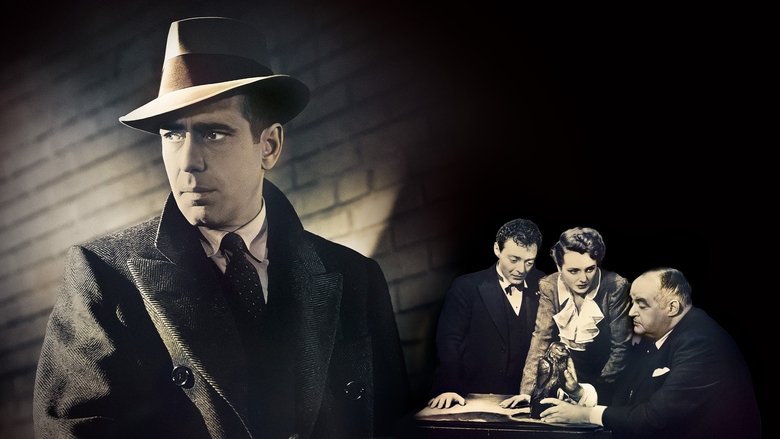
A quintessential film noir where shadows hide betrayals and a jewel-encrusted bird becomes a hollow idol of greed. It is a cynical masterpiece of moral ambiguity, defined by sharp dialogue and the chilling realization that some chases lead only to lead.
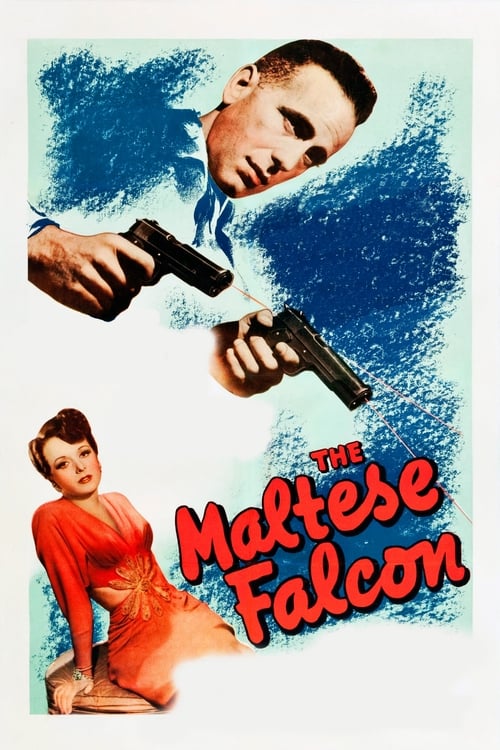
The Maltese Falcon
"A story as EXPLOSIVE as his BLAZING automatics!"
18 October 1941
United States of America
100 min
7.7
(1,828)
Director: John Huston
Cast: Humphrey Bogart, Mary Astor, Gladys George, Peter Lorre, Barton MacLane
Crime
Thriller
Mystery
Greed and Obsession
Deception and Appearance vs. Reality
The Code of Ethics
The Femme Fatale and Gender Dynamics
Budget:
$375,000
Box Office:
$1,772,000
The Maltese Falcon — Ending Explained
⚠️ Spoiler Analysis
Alternative Interpretations
While typically viewed as a straightforward crime drama, some critics interpret the film as a critique of capitalism, where the pursuit of wealth (the Falcon) destroys human connections and renders life absurd. Others view it through a queer theory lens, analyzing the coded homosexuality of Joel Cairo, Wilmer, and Gutman, and their disruption of the heteronormative order represented by Spade. A more existential reading suggests the Falcon represents the unattainable object of desire (Lacan's objet petit a), proving that the search for meaning is more defining than the attainment of it.
Explore More About This Movie
Dive deeper into specific aspects of the movie with our detailed analysis pages