The film's central twist is that Ransom Stoddard did not shoot Liberty Valance. During the climactic duel, Stoddard fired his pistol, but it was Tom Doniphon, hidden in the shadows with a rifle, who actually killed the outlaw. This revelation, shared by Doniphon with Stoddard in a nested flashback, destroys Stoddard's moral high ground but allows him to accept the political nomination. The tragic irony is that by killing Valance, Doniphon destroys his own world; he loses the woman he loves to the man he saved and ends his life in a pauper's coffin. The final scene on the train reveals that Hallie likely knows the truth and that Stoddard will never be able to escape the shadow of the man who actually fired the shot.
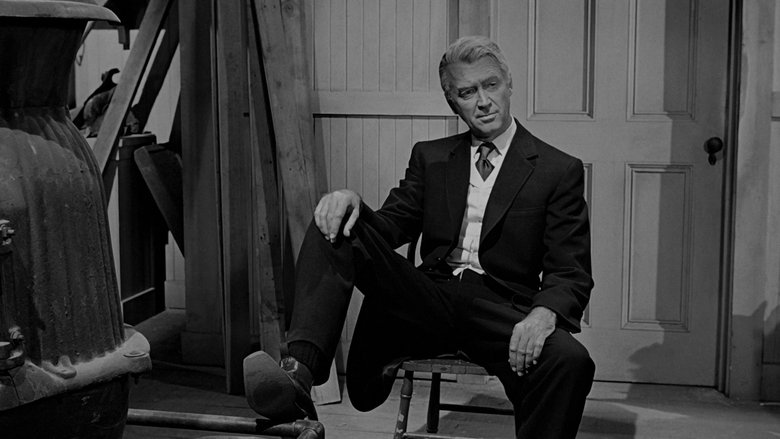
A chiaroscuro elegy for the fading frontier where the law's ink meets the gunslinger's lead, mourning the shadows sacrificed for the bright light of progress through a tragic, dusty lens.
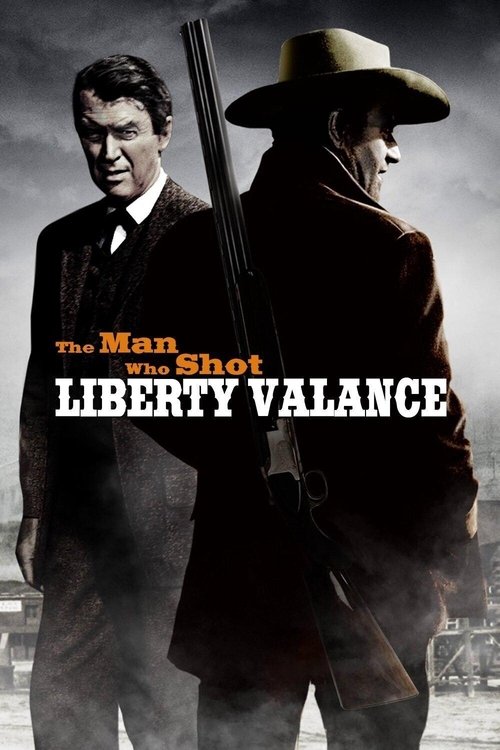
The Man Who Shot Liberty Valance
"Together for the first time"
13 April 1962
United States of America
123 min
7.8
(1,234)
Director: John Ford
Cast: John Wayne, James Stewart, Vera Miles, Lee Marvin, Edmond O'Brien
Western
Legend vs. Fact
Law vs. Violence
The Vanishing Frontier
Sacrifice and Heroism
Budget:
$3,200,000
Box Office:
$8,000,000
The Man Who Shot Liberty Valance — Ending Explained
⚠️ Spoiler Analysis
Alternative Interpretations
Some critics interpret the film as an indictment of Ransom Stoddard, viewing him not as a hero but as a parasitic figure who consumes Doniphon's life and Hallie's love to fuel his own ambition. Another reading suggests that Hallie is the true protagonist, and her choice between the two men represents the American soul's internal conflict between its wild, violent origins and its civilized, domesticated present. Modern interpretations often focus on the racial subtext provided by Pompey (Woody Strode), seeing him as the true 'forgotten man' of the West whose contribution to civilization is even more erased than Doniphon's.
Explore More About This Movie
Dive deeper into specific aspects of the movie with our detailed analysis pages