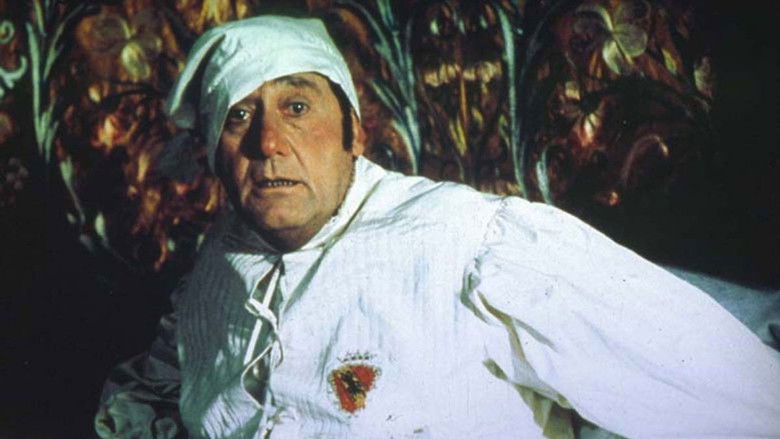
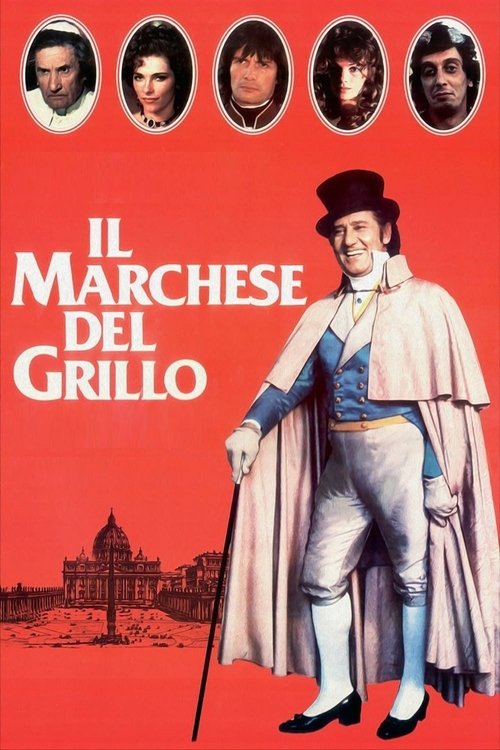
The spoiler-heavy analysis of "The Marquis of Grillo" reveals a deeply cynical core beneath its comedic surface. The central plot twist involves the Marquis using his double, Gasperino, not just for a prank, but as a scapegoat. When Napoleon is defeated and Pope Pius VII is restored to power, a death sentence is issued for the Marquis for his collaboration with the French. However, it is Gasperino who is arrested and prepared for the guillotine. The film masterfully builds tension as the innocent coalman faces a horrific death for crimes he didn't commit and a life he only briefly borrowed.
The final, crucial twist is the revelation that the execution is itself a prank orchestrated by the Pope. Just as the blade is about to fall, a pardon arrives, saving Gasperino. The Pope wanted to teach Onofrio a lesson, turning his own weapon—the prank—against him. This reveals a hidden layer to the Pope's character, showing him as the ultimate power player who can manipulate life and death for the sake of a lesson. The ending is profoundly cynical: not only does the real Marquis escape all consequences, but he is immediately reinstated to his position as a noble guard. He has learned nothing, the social order is unchanged, and the poor man, Gasperino, is simply discarded, his fate left ambiguous. This resolution reinforces the film's core message: the powerful are untouchable, justice is a game, and revolutions ultimately change nothing for the ruling class.