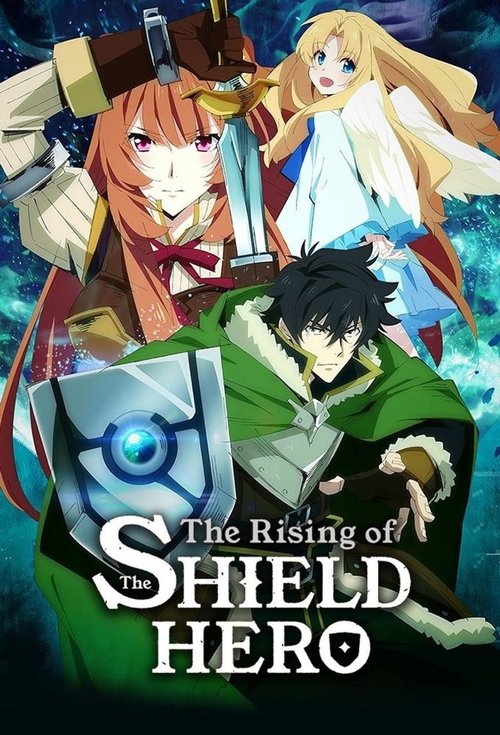
"The Rising of the Shield Hero's" plot is driven by a series of major twists that redefine the characters' understanding of their world. The initial betrayal by Princess Malty (who is later revealed to be named Myne) and King Aultcray is not a simple act of greed but part of a larger conspiracy orchestrated by the Church of the Three Heroes, a religious institution that fanatically worships the Sword, Spear, and Bow Heroes while despising the Shield Hero due to political and historical biases against demi-humans, whom the Shield Hero traditionally champions.
In Season 1, Episode 21, this conspiracy is publicly exposed by the true ruler of Melromarc, Queen Mirelia. Malty and Aultcray are put on trial and sentenced to death. In a crucial moment of character development, Naofumi halts their execution, opting instead for a punishment of public humiliation: they are stripped of their royal status and renamed "Bitch" and "Trash," respectively. This act signifies Naofumi's decision to choose his own form of justice over pure revenge.
A critical revelation at the end of Season 1 is that the Waves of Catastrophe are not just monster attacks but an existential war between parallel worlds. The powerful antagonists Glass, L'Arc, and Therese are actually the "Vassal Heroes" of another world, forced to invade Naofumi's world and kill its Cardinal Heroes to prevent their own world's destruction. This twist transforms the conflict from a simple good vs. evil narrative into a complex moral quandary where both sides are fighting for their survival.
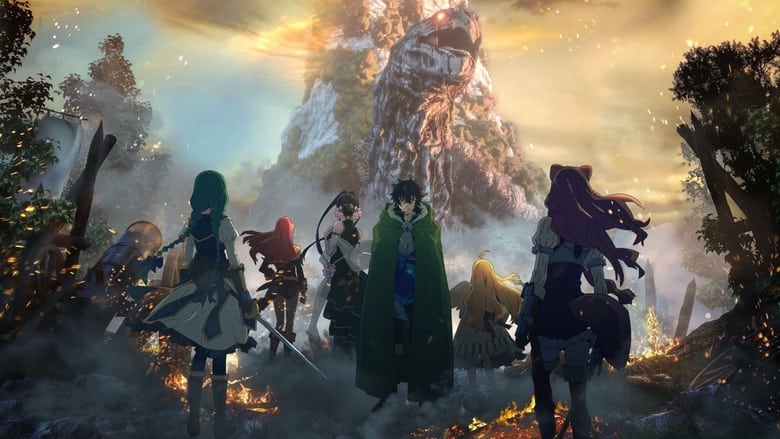
Season 2's main plot revolves around the Spirit Tortoise, a giant guardian beast awakened and controlled by the book-wielding villain Kyo Ethnina, another Vassal Hero from L'Arc's world. The season culminates in Naofumi's party traveling to the other world to stop Kyo. There, Raphtalia is chosen by the legendary Vassal Katana, elevating her status to that of a Hero herself and making her an equal to Naofumi in power and standing, a pivotal moment for her character arc. The story continues to reveal deeper layers to the world's mechanics, including the existence of multiple sets of legendary and vassal weapons and the truth behind the Waves being orchestrated by a malevolent entity.