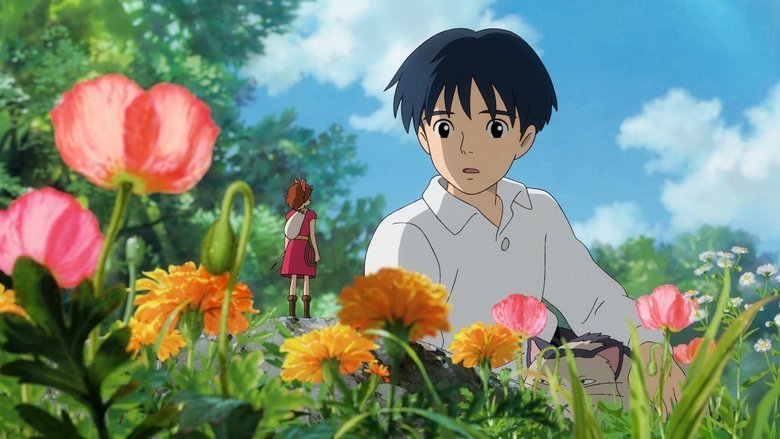
The plot hinges on the inevitable discovery of the Borrowers. Despite Shō's efforts to protect them, his well-meaning gift of the dollhouse kitchen alerts the suspicious housekeeper, Haru. While Shō is distracted, Haru uncovers the miniature home, kidnaps Arrietty's mother, Homily, and locks Shō in his room. In a thrilling climax, Arrietty and Shō must work together as equals to break out and rescue Homily before the exterminators arrive. Following the rescue, the Borrowers realize their home is no longer safe and make the painful decision to leave forever. They venture into the wild, guided by a rugged outdoorsman Borrower named Spiller, setting off down a river in a tea pot. In the final, tear-jerking scene, Shō's cat guides him to Arrietty for one last goodbye. They exchange gifts—he gives her a sugar cube, and she gives him her hairclip. Shō reveals that her bravery has given him the will to survive his impending heart surgery. While the ending is open, the US dub features a concluding narration from Shō stating he survived the surgery and returned to the house the following year, hearing joyful rumors of tiny things going missing in the neighboring homes, confirming the Borrowers found a safe new life.
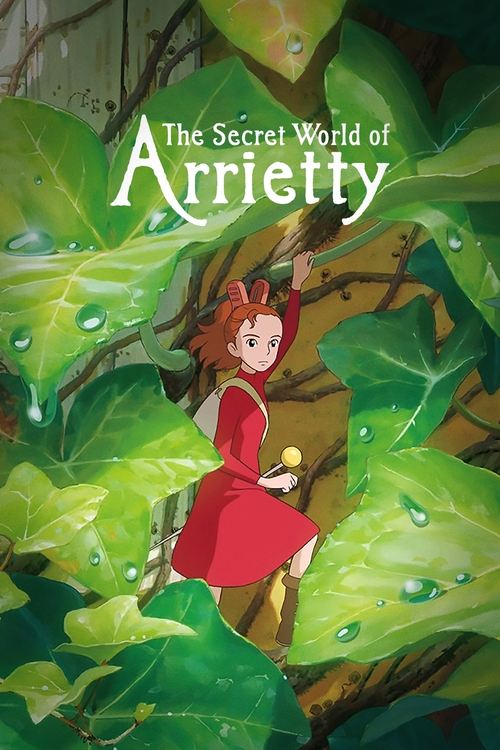
借りぐらしのアリエッティ
"Do not be seen by humans. That's been the law of children of the underfloor."
Director: Hiromasa Yonebayashi
Cast: Mirai Shida, Ryunosuke Kamiki, Tomokazu Miura, Keiko Takeshita, Kirin Kiki
The Secret World of Arrietty — Ending Explained
⚠️ Spoiler Analysis
Alternative Interpretations
An Environmental Metaphor: Many critics interpret the film as a critique of modern consumerism and environmental destruction. The Borrowers represent sustainable living—taking only what they need and leaving no trace—while the humans (particularly the housekeeper Haru) represent a society that hoards, destroys, and attempts to control nature.
A Representation of Marginalized Peoples: The film can be read as an allegory for indigenous or marginalized communities surviving on the fringes of a dominant, destructive culture. Shō's attempt to give the Borrowers the dollhouse mirrors historical instances of forced assimilation or the creation of reservations—well-intentioned but ultimately patronizing and devastating to their way of life.
A Tragic Romance: Some audiences view the story as a star-crossed romance. Arrietty and Shō develop deep feelings for one another, but they are forced to accept that their physical realities and species make coexistence impossible. Their separation is seen not just as a survival tactic, but as the ultimate act of selfless love.
Explore More About This Movie
Dive deeper into specific aspects of the movie with our detailed analysis pages