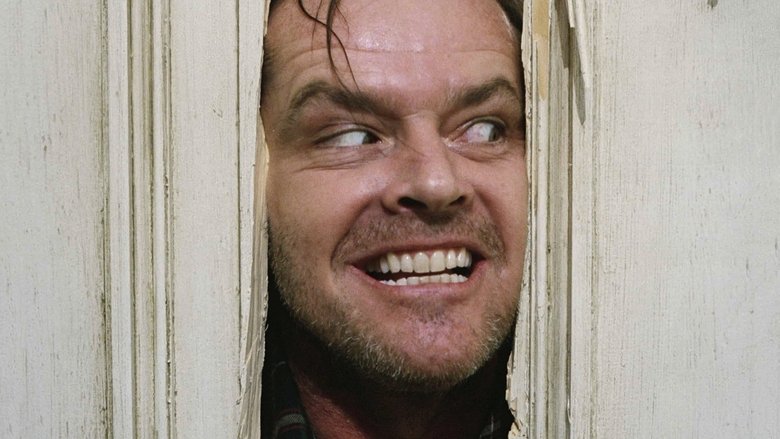
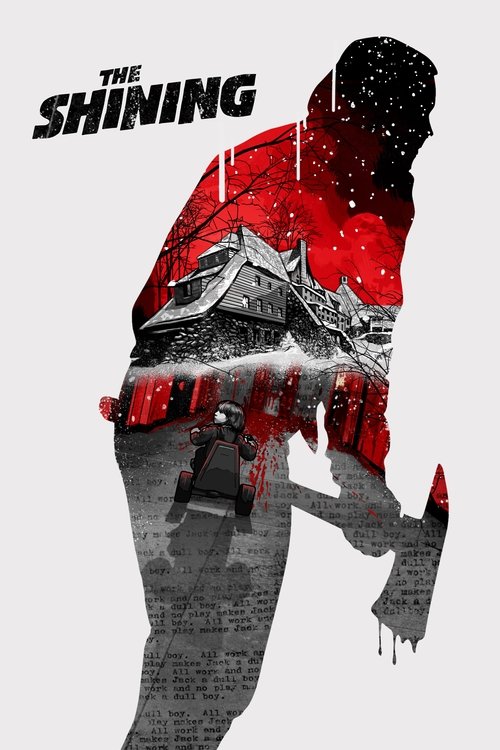
The central plot twist of "The Shining" is the gradual transformation of Jack Torrance from a family patriarch into the film's monster. The supernatural forces of the Overlook Hotel do not just haunt the family; they actively possess Jack, preying on his insecurities and history of alcoholism. The ghost of the former caretaker, Delbert Grady, persuades Jack that his wife and son need to be "corrected" through murder. Jack sabotages the hotel's radio and snowcat, trapping the family and cementing his role as their would-be killer.
A major subversion of horror tropes occurs with the character of Dick Hallorann. After Danny psychically calls for help, Hallorann undertakes a long journey to rescue them, positioning himself as the film's hero. In a shocking twist, he is brutally killed by Jack with an axe almost immediately upon entering the hotel. This act eliminates any hope of an external savior, leaving Wendy and Danny to fend for themselves.
The climax unfolds in the hedge maze, where Danny cleverly uses his wits to escape his father. He lays a false trail by walking backward in his own footprints before hiding, causing Jack to become hopelessly lost. While Wendy and Danny escape in Hallorann's snowcat, Jack freezes to death, his screaming face a permanent mask of impotent rage. The film's final, haunting revelation comes in the last shot: a slow zoom onto a photograph from the hotel's July 4th Ball in 1921, which inexplicably features Jack Torrance at the center of the festivities. This implies that Jack has been absorbed by the hotel, or was perhaps a reincarnation of a past guest, forever trapped in its violent history.