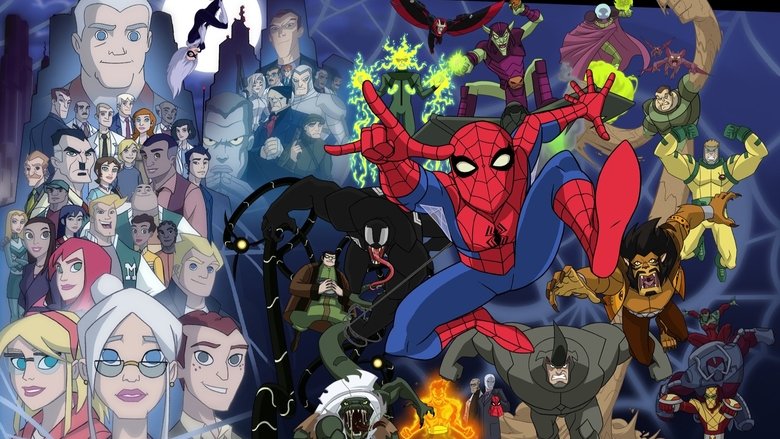
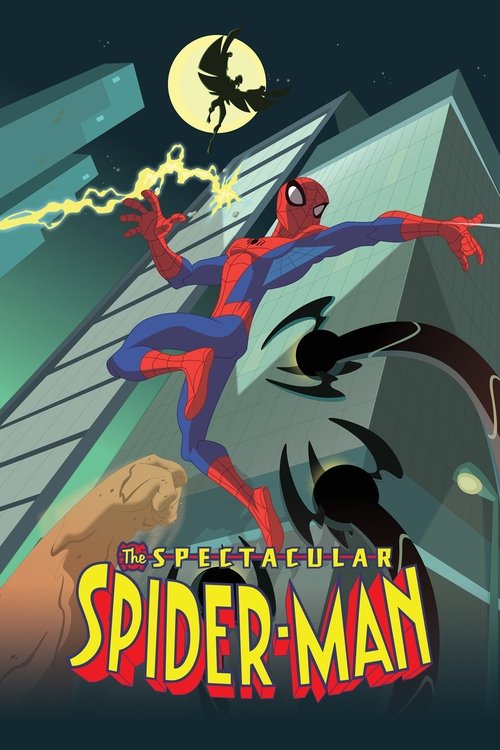
"The Spectacular Spider-Man" excels at long-form, serialized storytelling where early plot points have major payoffs. The central mystery of the Green Goblin's identity is the most significant example. Throughout Season 1, the show masterfully misdirects the audience into believing Harry Osborn is the Goblin, a belief seemingly confirmed when he is unmasked. However, subtle clues, such as Norman Osborn's manipulative behavior and scientific prowess, hint at a deeper conspiracy.
The stunning reveal in the Season 2 finale, "Final Curtain," is that Norman Osborn was the Green Goblin all along. He framed his own son to test the 'Globulin Green' formula and eliminate business rivals without suspicion. This re-contextualizes Norman's entire character arc, revealing his apparent concern and mentorship of Peter as a calculated manipulation. His final act is to fake his own death in the explosive battle with Spider-Man, perfectly framing the hero as a murderer in his son's eyes. This cements Harry's turn towards villainy and tragically ensures that even after confessing their mutual love, Peter and Gwen cannot be together, as Gwen feels obligated to comfort the grieving Harry.
Another major arc with a devastating payoff is the deterioration of Peter and Eddie Brock's friendship. Introduced as close childhood friends, their bond frays throughout Season 1 due to misunderstandings fueled by Peter's secrecy as Spider-Man and Eddie's growing resentment. When Peter sheds the alien symbiote, it finds a new host in Eddie, whose hatred for both Peter and Spider-Man creates the perfect vessel. Venom's knowledge of Peter's identity, vulnerabilities, and loved ones makes him the most terrifying and personal foe, a dark mirror of what Peter could become if he let his power corrupt him absolutely.