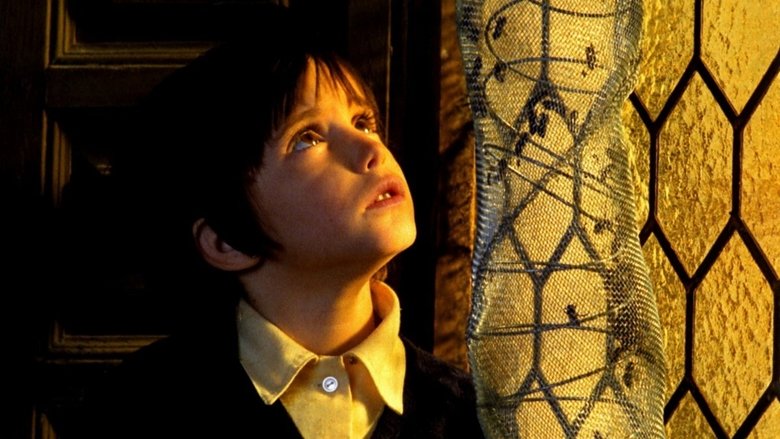
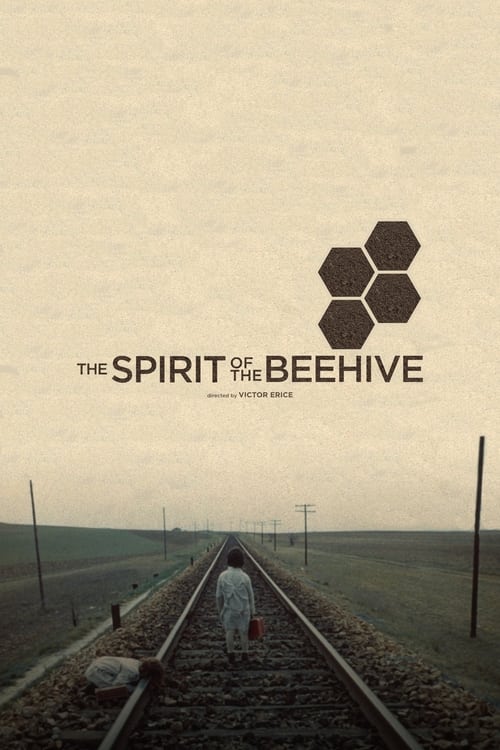
The film's narrative relies heavily on what is left unseen. Ana's belief in the spirit of the monster leads her to the abandoned sheepfold, where she discovers a wounded Republican soldier who has leaped from a train. To Ana, this man is the physical manifestation of the persecuted monster she saw on screen. She brings him food, her father's coat, and Fernando's musical pocket watch. When the Francoist police inevitably discover and execute the soldier in the night, the violence happens entirely off-screen, signified only by the flash and sound of gunfire.
The police trace the items back to Fernando, who realizes what Ana has done. When Ana returns to the sheepfold and finds the bloodstains, she realizes the adult world has destroyed her "monster." Traumatized, she runs away into the night. In the woods, her psychological break manifests as a literal hallucination of Frankenstein's monster, who kneels beside her just as he did with the girl in the movie. However, rather than drowning her, the vision signifies her complete withdrawal from reality. The film ends with Ana standing at her window, whispering "Soy Ana" (It's me, Ana) into the darkness. This haunting finale reveals that Ana has rejected the deceitful, oppressive world of her family and the state, choosing instead to align herself permanently with the spirit of the outcast.