The Theory of Everything
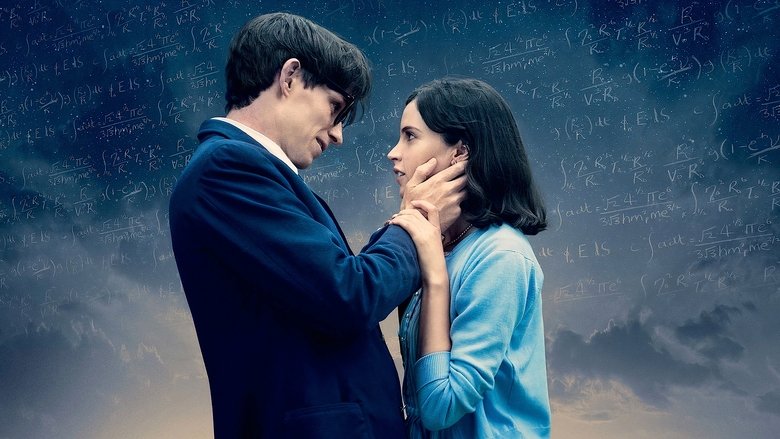
A poignant biographical drama that feels like a bittersweet dance with time, capturing the luminous glow of love against the encroaching shadow of mortality.
The Theory of Everything

"His mind changed our world. Her love changed his."

07 November 2014 United Kingdom 123 min ⭐ 7.8 (10,874)
Director: James Marsh
Cast: Eddie Redmayne, Felicity Jones, Charlie Cox, Emily Watson, Simon McBurney
Drama Romance
Love and Sacrifice Intellect vs. Physicality Time Faith vs. Science
Budget: $15,000,000
Box Office: $123,726,688

The Theory of Everything - Ending Explained

⚠️ Spoiler Analysis

The central turn in "The Theory of Everything" is not a sudden twist but a gradual, painful evolution: the dissolution of Stephen and Jane's marriage. The film meticulously builds their love story, founded on her vow to stay with him for as long as they have. The spoiler is that this profound love ultimately is not enough to survive the immense pressures of his severe disability, his global fame, and their diverging personal needs. The narrative reveals that Jane develops a deep, loving relationship with the family friend and choirmaster, Jonathan Hellyer Jones, who provides the support and companionship she desperately needs. Concurrently, Stephen grows close to his vibrant and assertive nurse, Elaine Mason.

The climax of this dissolution occurs when Stephen announces he is taking Elaine, not Jane, to an awards ceremony in America. In a quiet, heartbreaking scene, they both acknowledge their marriage is over. Jane's line, "I have loved you. I did my best," encapsulates the tragedy and truth of their situation. The film's ending subverts the traditional romantic narrative. Instead of 'happily ever after,' it finds a different kind of resolution. Stephen marries Elaine, and Jane marries Jonathan. However, the final scenes reveal a deep, enduring friendship between Stephen and Jane. His final line to her in the garden, as they watch their children, is "Look what we made." This reveals the hidden meaning of their story: their marriage wasn't a failure, but a transformative journey that created a family and enabled greatness, even if the romantic love couldn't last. The film's final shot, which rewinds their entire story back to the moment they first met, reinforces this idea—that the beginning and the journey itself hold a beauty that transcends the ending.

Alternative Interpretations

One significant alternative interpretation revolves around the film's portrayal of Jane Hawking and their marriage. While the film presents Jane as a deeply loving and supportive figure, it is based on her second, more conciliatory memoir, "Travelling to Infinity." Her first memoir, "Music to Move the Stars," painted a much harsher and more negative picture of their life together. Therefore, some critics and viewers argue that the film is a romanticized, sanitized version of their relationship, glossing over the more severe conflicts, Stephen's reported stubbornness, and the true extent of Jane's suffering and resentment. From this perspective, the film is less a factual account and more of a loving, but biased, memory piece that prioritizes an inspirational narrative over a more complex and potentially unflattering truth.

Another interpretation focuses on the film as a critique of the biopic genre itself. Some critics noted that for a film about one of history's most innovative thinkers, the narrative structure is remarkably conventional and safe. This reading suggests that the film's adherence to a traditional romantic drama framework, while emotionally effective, ironically fails to capture the revolutionary spirit of its subject. It chooses to explore Hawking's life through the most accessible lens—a love story—rather than attempting to grapple with his complex scientific ideas or the more challenging aspects of his personality. This interpretation sees the film not just as a story about Stephen Hawking, but as a reflection on how society prefers to consume the stories of its great minds: simplified, humanized, and centered on relatable emotions rather than challenging intellect.