Skip to content
The Uprising
A visceral historical drama steeped in raw grief and collective fury, where bloodstained soil and rain-drenched fens mirror the desperate breaking point of an exploited populace.
The Uprising
The Uprising

"Rise or die."

10 September 2026 Germany 128 min 8.0 (216)

Director: Paul Greengrass

Cast: Andrew Garfield, Jamie Bell, Stephen Dillane, Woody Norman, Tom Hollander

Drama History Action Class Warfare and Oligarchical Exploitation Post-Pandemic Social Awakening Private Grief Transformed into Collective Defiance The Enduring Legacy of Resistance
Budget: $20,000,000
Box Office: $8,079,597

The Uprising — Ending Explained

⚠️ Spoiler Analysis

The narrative reaches its catastrophic climax during the historic June 15, 1381 conference at Smithfield. King Richard II agrees to peasant demands, granting charters of freedom and the end of serfdom. However, the truce is a trap: Mayor William Walworth suddenly strikes down Wat Tyler, and royal archers open fire on the disarmed crowd, slaughtering hundreds of commoners and executing John Ball.

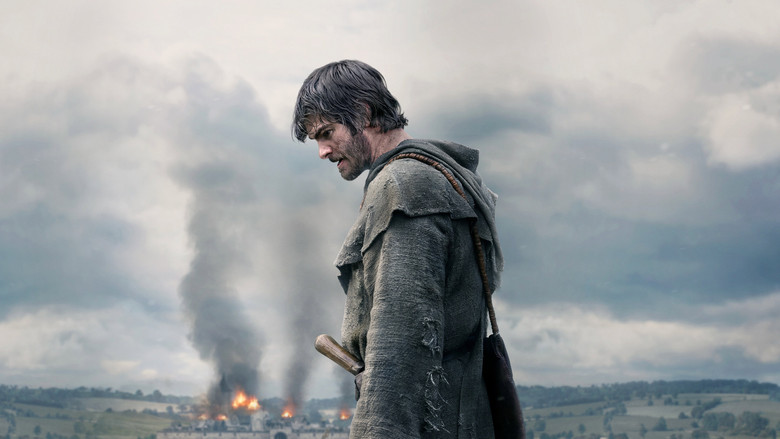
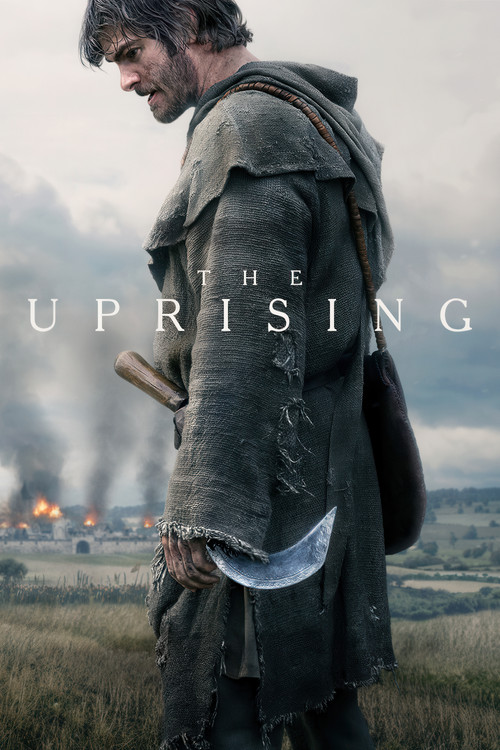
Ploughman and his ally Alyce manage to survive the slaughter and flee back to Essex, only to discover their village scorched and the promised charters revoked. Instead of resigning to servitude, Ploughman gathers fellow survivors and retreats into the deep greenwood to wage guerrilla warfare.

In the film's epilogue set one year later, Ploughman, cloaked in a green hood, ambushes King Richard's royal carriage. After slaying Mayor Walworth in hand-to-hand combat, he pins the boy king to the ground. Instead of assassinating Richard—recognizing that killing a single monarch simply invites another crowned oppressor—Ploughman delivers a chilling ultimatum: 'We will haunt you forever'. The film concludes with Richard screaming from night terrors inside Windsor Castle, affirming that Ploughman has transformed into the mythic Robin Hood archetype whose shadow will forever check royal power.

Alternative Interpretations

One prominent interpretation views the film as a somber allegory of political protest movements, showing that negotiations with monarchical power inevitably result in co-optation and slaughter unless backed by permanent vigilance. In this reading, the revolt's failure highlights the tragic naivety of relying on the good faith of rulers.

An alternative reading posits Ploughman's concluding forest existence not as a defeat, but as a psychological myth: rather than depicting a literal Robin Hood origin, the epilogue presents an eternal specter of proletarian retribution designed to haunt oppressive rulers throughout history.

Explore More About This Movie

Dive deeper into specific aspects of the movie with our detailed analysis pages

Similar Movies