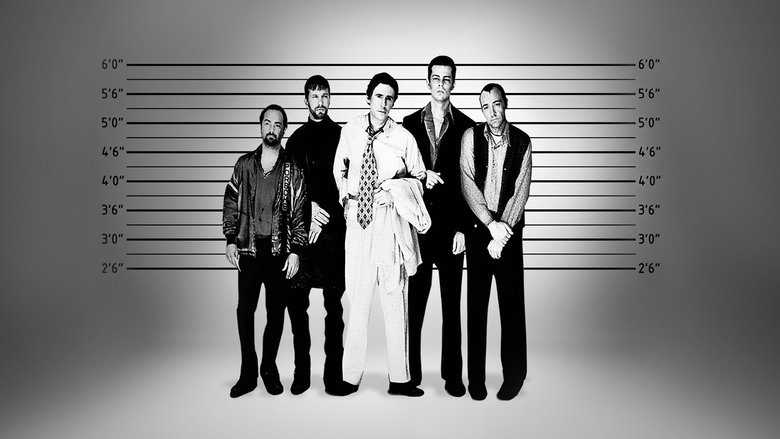
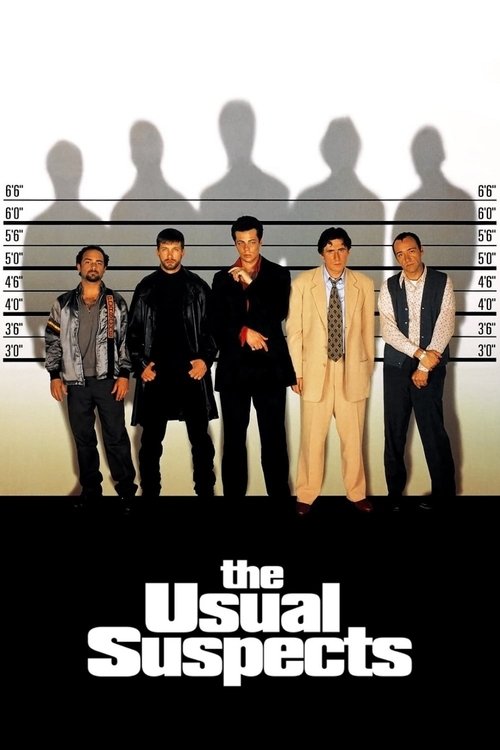
"Five criminals. One line up. No coincidence."
Director: Bryan Singer
Cast: Stephen Baldwin, Gabriel Byrne, Benicio del Toro, Kevin Pollak, Kevin Spacey
The Usual Suspects — Movie Quotes
Memorable Quotes
The greatest trick the Devil ever pulled was convincing the world he didn't exist.
Context
Verbal says this to Agent Kujan near the end of his interrogation, as he concludes his tale about the mythical Keyser Söze. The line is delivered as part of his summary of Söze's mystique, but it is actually a direct explanation of his own strategy. It is followed by the iconic line, "And like that... he's gone."
Meaning
This quote, borrowed from French poet Charles Baudelaire, is the philosophical core of the film. It encapsulates the essence of Keyser Söze's power: his ability to operate as a myth, a ghost in the machine. It foreshadows the final reveal that the unassuming, seemingly harmless Verbal is, in fact, the 'Devil' himself, having convinced everyone of his non-threatening nature before disappearing.
How do you shoot the Devil in the back? What if you miss?
Context
Verbal poses this rhetorical question to Kujan while describing why even hardened criminals are terrified of Keyser Söze. He uses it to explain the group's reluctance and fear when forced to work for him, framing them as victims of an unstoppable evil force.
Meaning
This line emphasizes the paralyzing fear that Keyser Söze instills in his enemies. It speaks to his reputation as an almost supernatural force. The fear is not just of death, but of the unimaginable consequences of failure when confronting such a powerful and vengeful figure. It highlights the psychological power that Söze wields.
Keaton always said, 'I don't believe in God, but I'm afraid of him.' Well, I believe in God. And the only thing that scares me is Keyser Söze.
Context
Verbal says this to Kujan to underscore the sheer terror that Söze represents. He contrasts Keaton's supposed atheistic fear with his own, which he claims is reserved solely for the crime lord, further establishing the mythic evil of his own alter ego.
Meaning
This statement positions Keyser Söze as a figure of ultimate, almost divine terror, a force more frightening than God himself. It is a masterful piece of misdirection, as Verbal is simultaneously building the myth of Söze while pretending to be his most terrified victim. He is essentially confessing his own god-like power in the criminal world through a veil of fear.
Explore More About This Movie
Dive deeper into specific aspects of the movie with our detailed analysis pages