The Warriors
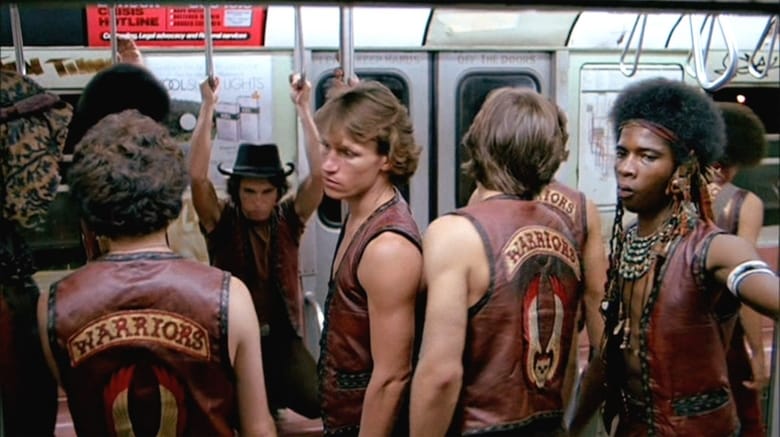
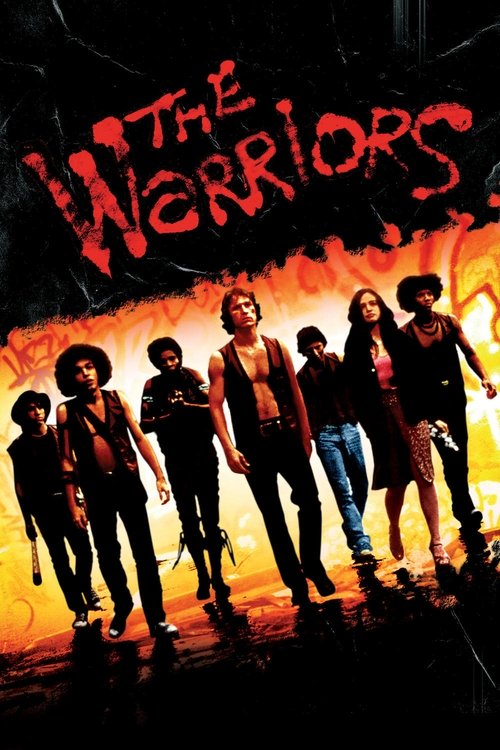
A neon-soaked, mythological urban odyssey where tribalism meets Greek tragedy. Amidst wet asphalt and subway rumbles, a framed gang fights through a stylized, dystopian night to reclaim their home.
The Warriors
The Warriors

"These are the armies of the night. They are 100,000 strong. They outnumber the cops five to one. They could run New York City. Tonight they're all out to get the Warriors."

01 February 1979 United States of America 94 min ⭐ 7.7 (2,295)
Director: Walter Hill
Cast: Michael Beck, James Remar, David Patrick Kelly, Dorsey Wright, David Harris
Action Thriller
Survival and The Odyssey Tribalism and Identity Loyalty and Brotherhood Anti-Establishment / Anarchy
Budget: $4,000,000
Box Office: $22,490,039

The Warriors - Ending Explained

⚠️ Spoiler Analysis

The Twist: The main twist occurs early: the Warriors are framed. The tension comes from the fact that the entire city believes a lie. The resolution occurs when the Riffs (the most powerful gang) finally learn the truth from a witness.

The Ending: The Warriors reach Coney Island, only to be cornered by Luther and the Rogues. Swan fights Luther and disarms him with a knife throw. The Riffs arrive, not to attack the Warriors, but to capture the Rogues. The Riffs acknowledge the Warriors with "You Warriors are good. Real good." The final shot shows the Warriors walking along the beach at sunrise, safe at last, while the Rogues are swarmed by the Riffs, implying their demise. The ending validates the Warriors' code of honor and endurance.

Alternative Interpretations

The Homoerotic Subtext: Critics have noted the film's intense focus on male bodies, leather, and phallic imagery (bats, knives), alongside Ajax's aggressive hyper-heterosexuality, suggesting a latent homoerotic tension within the gang dynamic.

The Socialist Allegory: Some readings view Cyrus as a socialist revolutionary trying to unite the "proletariat" (the gangs) against the "state" (the police/mafia). His assassination by Luther represents the sabotage of working-class solidarity by chaotic, reactionary forces.

The Pacifist Message: Despite the violence, the Warriors rarely instigate fights; they only defend themselves. The film can be read as a critique of senseless violence, rewarding those who seek only to return home rather than those who seek conquest.