The film concludes with the realization of Jiro's masterpiece, the Mitsubishi A5M, but the triumph is hollow. A gust of wind signals the moment of Naoko's death at the mountain sanatorium, where she went so Jiro would only remember her as beautiful. In the final dream sequence set in 1945, Jiro walks through a graveyard of his own planes. None of the Zeros returned. Caproni consoles him, reiterating that the dream was realized. Naoko's spirit appears and tells him, "You must live," changing the original draft's bleaker ending where she would say "come here." The ending confirms that while Jiro's art was a "cursed dream" that aided a terrible war, the love and creative spark were still genuine and worth the suffering.
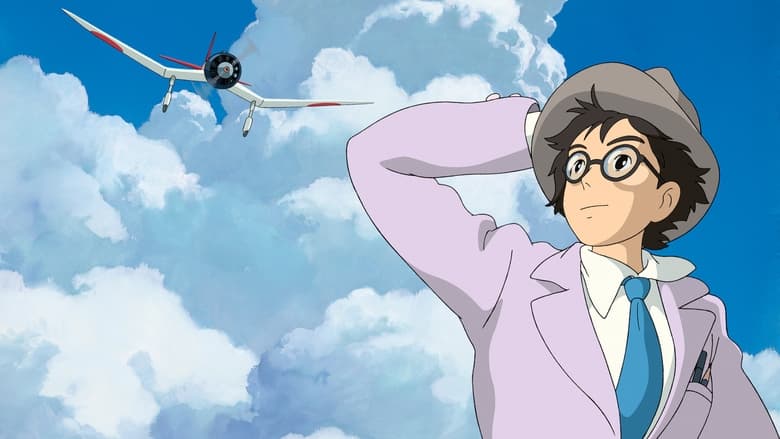
A sweeping historical drama blending childhood dreams and tragic romance, where the ethereal beauty of flight clashes with the looming shadow of war and the bittersweet fragility of a fading life.
The Wind Rises
風立ちぬ
"We must live."
20 July 2013
Japan
126 min
7.8
(3,227)
Director: Hayao Miyazaki
Cast: Hideaki Anno, Hidetoshi Nishijima, Miori Takimoto, Masahiko Nishimura, Stephen Alpert
Drama
Animation
War
History
Romance
The Ambiguity of Creation
The Ethos of Living (Le Vent Se Lève)
Obsession vs. Human Connection
Historical Determinism and Responsibility
Budget:
$30,000,000
Box Office:
$117,932,401
The Wind Rises — Ending Explained
⚠️ Spoiler Analysis
Alternative Interpretations
Many critics view Jiro as a direct surrogate for Hayao Miyazaki himself. In this reading, the airplanes are metaphors for animated films—beautiful dreams that demand total sacrifice and can be misinterpreted or misused by the world. Another interpretation focuses on the ending: when Jiro says "thank you" in the final dream, some see it as a moment of atonement, while others see it as a tragic acceptance that his life's work resulted in a "kingdom of dead planes." Some also interpret Naoko's illness as a metaphor for the "illness" of Japan during the militaristic period—beautiful but doomed from within.
Explore More About This Movie
Dive deeper into specific aspects of the movie with our detailed analysis pages