"The Picture Everyone Wants to See"
To Be or Not to Be - Symbolism & Philosophy
Symbols & Motifs
The "To Be or Not to Be" Soliloquy
In the film, the famous line serves as the secret signal for Sobinski to visit Maria's dressing room. Beyond the joke of Joseph being interrupted, it symbolizes the choice between existing as a submissive subject or acting as a free individual, reflecting the play's original themes of life and death.
The Fake Beard
Joseph Tura must constantly adjust his disguise to match Professor Siletsky. The literal pulling of the beard by Colonel Ehrhardt serves as a visual metaphor for the constant threat of having one's true self "unmasked" by the enemy.
Maria's White Silk Gown
Maria insists on wearing a glamorous gown for a scene set in a concentration camp, arguing it provides "contrast." This symbolizes the film's own aesthetic: using the beauty and light of comedy to highlight the darkness of the surrounding conflict.
The "Heil Hitler" Salute
Lubitsch turns the salute into a comedic refrain, most notably with the line "Heil myself." It reduces the terrifying symbol of the Third Reich to a meaningless, repetitive reflex that can be mocked and co-opted.
Philosophical Questions
Is everything a performance?
The film suggests that social and political roles—whether soldier, spy, or dictator—are performances maintained through costume and script, questioning if there is a 'true' self beneath the role.
Can humor be a moral act?
By laughing at evil, the film asks if we are trivializing it or reclaiming our power over it. Lubitsch argues that humor preserves humanity when logic and peace have failed.
Core Meaning
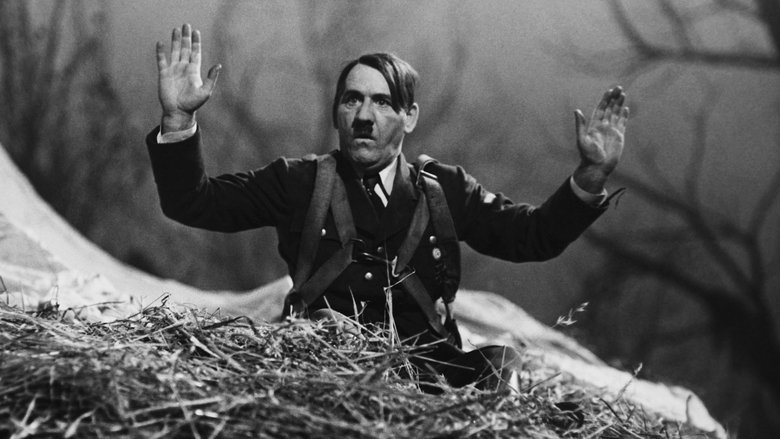
The core of the film is a daring assertion that satire and ridicule are the ultimate weapons against fascism. Lubitsch suggests that the Nazi regime is fundamentally a theatrical performance—one built on costumes, rehearsed gestures, and a fragile ego—and that the only way to defeat it is to perform better than they do. By portraying the Gestapo as buffoons who are easily fooled by ham actors, the film strips the oppressors of their power and aura of invincibility.
Furthermore, it celebrates the triumph of art over brute force. The actors, who are initially presented as superficial and self-absorbed, discover a higher purpose in their craft. Their willingness to risk their lives for Poland through the medium of theater elevates their "insignificant" profession into a noble act of resistance, suggesting that culture and humor are essential for survival in dark times.