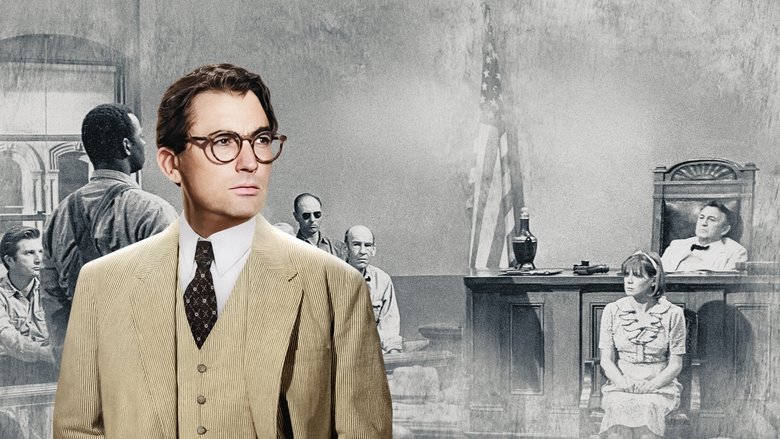
The central plot culminates in the trial of Tom Robinson. Atticus Finch brilliantly proves Tom's innocence, demonstrating that Mayella Ewell's injuries were inflicted by a left-handed person, and her father, Bob Ewell, is left-handed, while Tom's left arm is crippled and useless. Despite this, the all-white jury convicts Tom, a devastating blow to Jem and Scout's faith in justice. The hidden meaning here is that the 'truth' is powerless against entrenched, systemic racism; the verdict was a foregone conclusion the moment a Black man was accused by a white woman.
Following the trial, Tom is shot and killed while allegedly trying to escape from prison, a tragic end that underscores the hopelessness of his situation. Bob Ewell, having been humiliated by Atticus in court, seeks revenge. The film's climax occurs on a dark night as Jem and Scout walk home from a school pageant. Ewell attacks them, breaking Jem's arm. In the struggle, a mysterious figure intervenes and saves the children. This rescuer is revealed to be the reclusive Arthur 'Boo' Radley, who has been watching over them all along. Boo carries the unconscious Jem home. Sheriff Tate, arriving at the scene, discovers Bob Ewell dead, having been stabbed with his own knife. To protect the intensely shy and vulnerable Boo from the trauma of a public inquiry, the sheriff fabricates a story that Ewell fell on his own knife. Atticus reluctantly agrees. This final act reveals the film's nuanced take on justice: having seen the legal system fail the innocent Tom, the town's moral authorities choose to protect another innocent, Boo, by operating outside that same system.