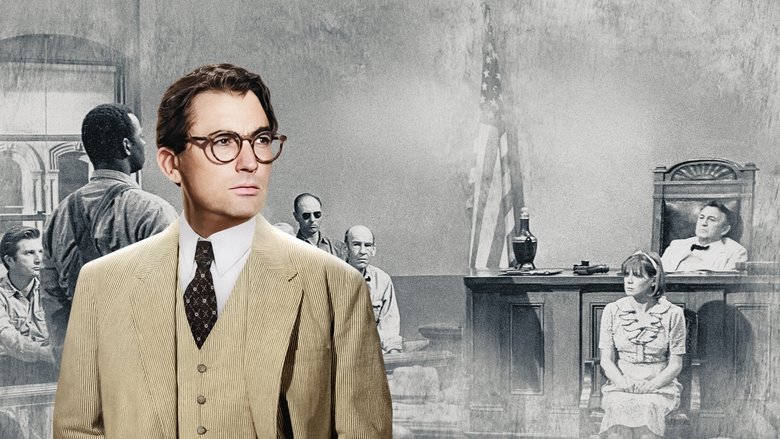
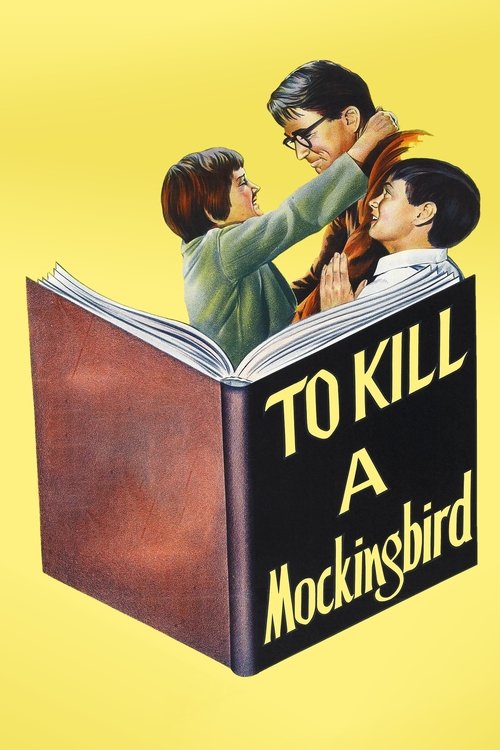
"A father must expose his children to a small town's outraged passions… and can only protect them with his love."
Director: Robert Mulligan
Cast: Mary Badham, Gregory Peck, Phillip Alford, John Megna, Frank Overton
To Kill a Mockingbird — Movie Quotes
Memorable Quotes
You never really understand a person until you consider things from his point of view... until you climb into his skin and walk around in it.
Context
Atticus says this to Scout early in the film after she has had a difficult first day of school. He is teaching her how to deal with the different kinds of people she will encounter in life, encouraging her to look beyond surface-level judgments and try to understand their perspectives and motivations.
Meaning
This quote encapsulates one of the film's central themes: the importance of empathy. It is Atticus's core philosophy, which he strives to instill in his children. The line serves as a moral guidepost for Scout and for the audience, advocating for compassion and understanding over prejudice and judgment.
Remember it's a sin to kill a mockingbird.
Context
Atticus gives this instruction to Jem and Scout after they receive air rifles for Christmas. Confused by the statement, Scout later asks their neighbor, Miss Maudie, who explains that mockingbirds don't do anything to harm anyone; they only sing, making them a symbol of pure, harmless innocence.
Meaning
This line introduces the film's most important symbol. It is a moral instruction that defines innocence as something sacred that must be protected. The quote frames the persecution of harmless individuals like Tom Robinson and Boo Radley as a profound moral wrong.
Miss Jean Louise, stand up. Your father's passin'.
Context
This is said to Scout by Reverend Sykes in the courtroom immediately after the guilty verdict is read and Tom Robinson has been led away. As a dejected Atticus prepares to leave, the entire Black population in the segregated balcony silently stands up as a gesture of respect as he walks out, and Reverend Sykes prompts Scout to do the same.
Meaning
This powerful line signifies the immense respect and gratitude the Black community has for Atticus Finch. Despite the verdict, they recognize his courageous and principled defense of Tom Robinson. It is a moment of profound honor and a testament to Atticus's moral victory in the face of legal defeat.
Explore More About This Movie
Dive deeper into specific aspects of the movie with our detailed analysis pages