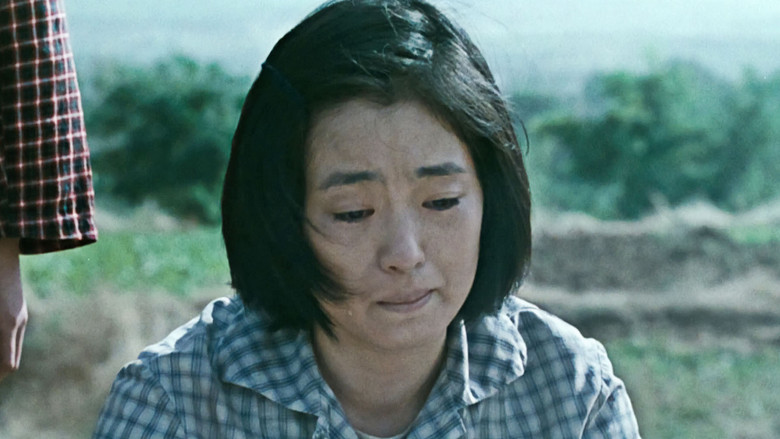
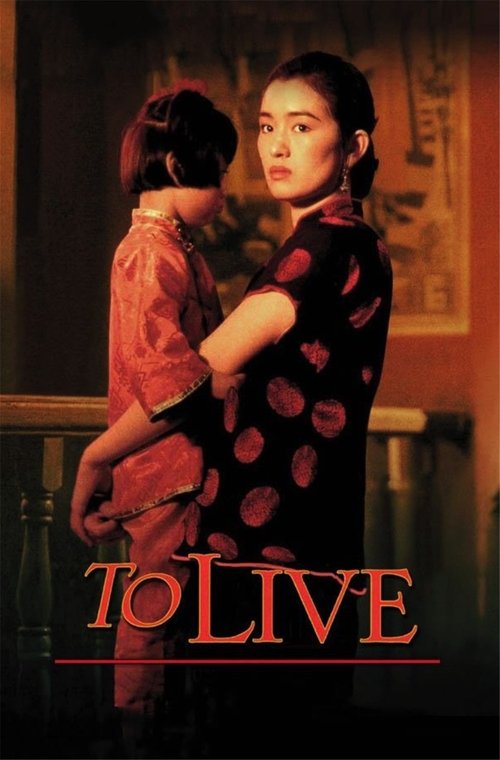
The narrative of "To Live" is punctuated by a series of devastating tragedies that befall the Xu family, each linked to a specific period of Chinese political history. After losing his fortune, Fugui is conscripted into the Nationalist army, then captured by the Red Army, for whom he performs his shadow puppet show. Upon returning home, he finds his daughter Fengxia has become mute due to a severe fever. A great irony unfolds when Long'er, the man who won Fugui's house, is executed as a landlord by the new Communist regime. Fugui's gambling loss has saved his life.
The first major tragedy is the death of their son, Youqing, during the Great Leap Forward. He is killed when a wall he is sleeping behind is crashed into by a jeep driven by his father's old friend, Chunsheng, who has become a district chief and has been working for days without sleep. The second major tragedy strikes during the Cultural Revolution. Fengxia, now married to the kind-hearted Wan Erxi, dies in childbirth from a hemorrhage. This is because the experienced doctors at the hospital have been imprisoned as counter-revolutionaries, and the young, inexperienced Red Guard nurses are unable to handle the complication. The only available doctor is so weak from starvation that after being given seven steamed buns, he is unable to function.
The film ends not in complete despair, but with a quiet sense of continuation. Fugui, Jiazhen, their son-in-law Erxi, and their grandson Mantou are together, sharing a simple meal. Fugui tells his grandson that the chicks he is playing with will grow into geese, then sheep, and then oxen, and that life will get better and better. This ending, in stark contrast to the novel where Fugui is the sole survivor, emphasizes the film's central theme of resilience and the enduring hope embodied in the next generation.