"Togo" concludes with Leonhard Seppala and his team successfully handing off the serum to the next musher in the relay, Gunnar Kaasen, whose lead dog is Balto. Having endured the longest and most treacherous part of the journey, a severely exhausted and injured Togo is carried back to Nome. Upon their return, Seppala is disheartened to learn that the press has hailed Balto and Kaasen as the sole heroes who saved the town, completely overlooking his and Togo's far greater contribution. The hidden meaning here is a commentary on the fickle nature of fame and how the narrative of history is often simplified, celebrating the one who crosses the finish line rather than the one who ran the hardest part of the race. The film's emotional climax occurs as Seppala fears Togo is dying from the ordeal. A cured young girl asks Seppala if Togo is dying, which deeply upsets him. However, Togo, the tenacious survivor, pulls through. The final scenes reveal that Togo lived for several more years, recovering from his injuries and siring a new generation of sled dogs, living out his days peacefully with Leonhard and Constance. The closing voiceover from Seppala reinforces the film's central theme: that even after he's gone, Togo remains "harnessed to his heart," a testament to their eternal bond. The ending solidifies the film's purpose: to ensure that Togo's incredible story of sacrifice and heroism is finally, and rightfully, told.
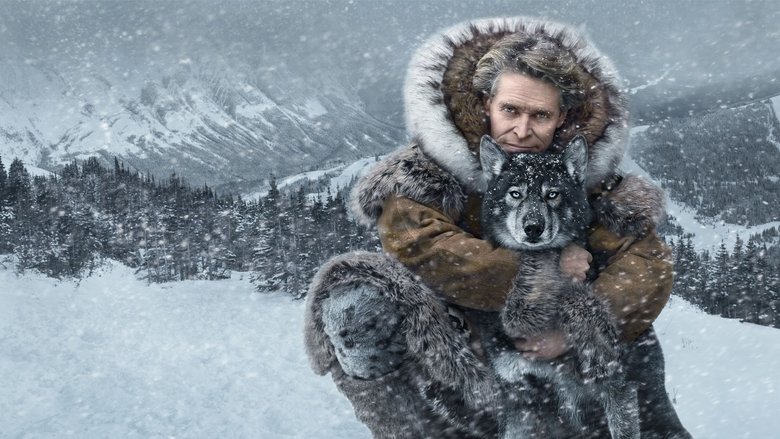
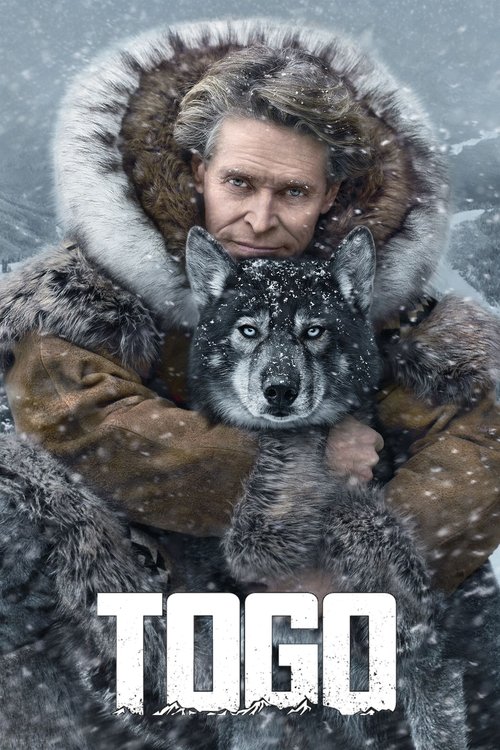
"The untold true story."
Director: Ericson Core
Cast: Willem Dafoe, Julianne Nicholson, Christopher Heyerdahl, Richard Dormer, Adrien Dorval
Togo — Ending Explained
⚠️ Spoiler Analysis
Alternative Interpretations
While the film is largely a straightforward historical drama, some interpretations focus on the subtext of aging and legacy. Seppala is an aging musher, and Togo is a 12-year-old dog, well past his prime for such a demanding task. Their journey can be seen as a "last ride," a final, defining act of greatness against the encroachments of time. It's a story not just about saving a town, but about two old veterans proving their enduring worth and cementing their legacy together. Another perspective could analyze the film as a critique of how history is written and how fame is often a matter of circumstance. Balto's fame was a product of being in the right place at the right time—the finish line. The film implicitly questions our societal tendency to celebrate the final, visible achievement while overlooking the longer, more difficult work that made it possible. It serves as a metaphor for the many unsung heroes in any great endeavor whose contributions are overshadowed by the person who crosses the finish line.
Explore More About This Movie
Dive deeper into specific aspects of the movie with our detailed analysis pages