Togo
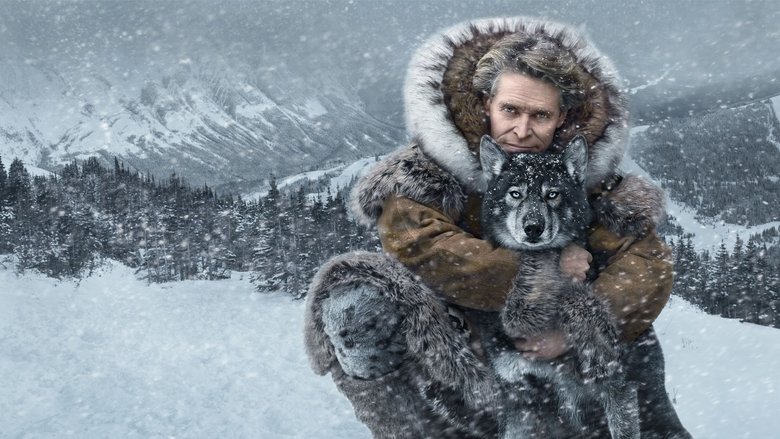
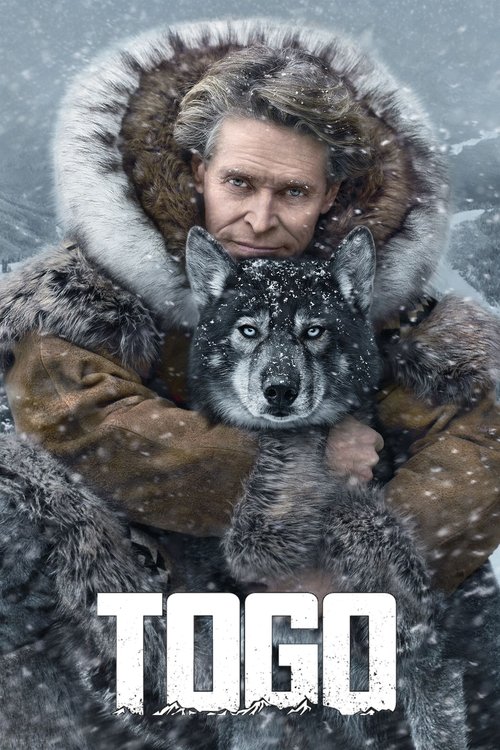
A heart-stirring historical adventure painting an intimate portrait of loyalty and endurance against the unforgiving, frozen wilderness of Alaska.
Togo

Togo

"The untold true story."

20 December 2019 United States of America 113 min ⭐ 8.1 (2,134)
Director: Ericson Core
Cast: Willem Dafoe, Julianne Nicholson, Christopher Heyerdahl, Richard Dormer, Adrien Dorval
Family Adventure
Man and Animal Bond The Unsung Hero Perseverance Against Nature Underdog Triumph

Overview

"Togo" chronicles the untold true story of the 1925 serum run to Nome, Alaska, focusing on the heroic sled dog Togo and his musher, Leonhard Seppala. When a deadly diphtheria epidemic threatens the children of Nome, Seppala is tasked with retrieving the antitoxin from hundreds of miles away across treacherous terrain and in the face of a massive impending storm.

The film masterfully interweaves the perilous journey of the serum run with poignant flashbacks to Togo's puppyhood. Initially deemed too small and unruly to be a sled dog, Togo's relentless spirit and unwavering loyalty gradually win over the stoic Seppala, forging an unbreakable bond between man and dog. As they battle hurricane-force winds, subzero temperatures, and the perilous, shifting ice of the Norton Sound, Seppala must place his faith in his aging but courageous lead dog to save their town.

Core Meaning

The central message of "Togo" is a powerful ode to the unsung hero and a testament to the profound, often underestimated, bond between humans and animals. Director Ericson Core sought to correct the historical record, which had largely credited the dog Balto for the final, shorter leg of the serum run, while Togo, who led the most perilous and longest stretch, was nearly forgotten. The film delves into themes of perseverance against insurmountable odds, the quiet courage of those who undertake dangerous tasks without expectation of glory, and the idea that true strength and leadership are not always found in the most likely of packages. It is a story about recognizing greatness, even when it's undersized and unconventional, and the deep, instinctual connection that can exist between a man and his loyal companion, who he initially underestimated.

Thematic DNA

Man and Animal Bond 35%
The Unsung Hero 30%
Perseverance Against Nature 25%
Underdog Triumph 10%

Man and Animal Bond

The film's emotional core is the evolving relationship between Leonhard Seppala and Togo. Initially, Seppala sees Togo as a nuisance, an undersized and mischievous puppy unfit for the rigors of a sled team. Through a series of flashbacks, we witness Togo's persistent efforts to prove his worth, eventually breaking through Seppala's stern exterior to forge a deep, loving bond built on mutual respect and trust. This theme is crystallized in their shared ordeal during the serum run, where their survival depends entirely on their connection and understanding of one another.

The Unsung Hero

A primary goal of the film is to rectify a historical oversight. While Balto became famous for completing the final leg of the journey into Nome, it was the 12-year-old Togo who led his team across the longest and most dangerous part of the relay, covering over 260 miles. The film highlights the injustice of Togo's story being largely ignored by history and celebrates his incredible feat of endurance and bravery, positioning him as the true hero of the Great Race of Mercy.

Perseverance Against Nature

"Togo" is a gripping survival drama that vividly portrays the struggle of man and dog against the brutal forces of nature. Director Ericson Core, who also served as cinematographer, captures the raw, unforgiving beauty and immense danger of the Alaskan wilderness. Seppala and his team face blizzards, treacherous mountain passes, and a harrowing crossing of the cracking Norton Sound, showcasing their incredible resilience and determination in the face of overwhelming odds.

Underdog Triumph

Togo embodies the classic underdog archetype. As a puppy, he was considered the runt of the litter—small, weak, and seemingly untrainable. Seppala tries to give him away twice. However, Togo's spirit and innate leadership abilities eventually shine through, proving his initial doubters wrong. His journey from a troublesome pup to a legendary lead dog is a central arc of the film, celebrating the idea that true potential can be found in the most unexpected places.

Character Analysis

Leonhard Seppala

Willem Dafoe

Archetype: The Reluctant Hero/Mentor
Key Trait: Pragmatic

Motivation

His primary motivation is to save the children of Nome, including the daughter of his friends, from the diphtheria epidemic. This sense of duty compels him to undertake the dangerous journey. Underlying this is his deep, albeit initially unexpressed, love for Togo and his profound trust in his lead dog's abilities to see them through the impossible.

Character Arc

Seppala begins as a pragmatic and stern musher who views his dogs primarily as work animals. His initial relationship with the mischievous puppy Togo is one of annoyance and dismissal. Over the years, through Togo's persistence and undeniable talent, Seppala's heart softens, and he develops a deep, paternal love for the dog. The serum run becomes the ultimate test of this bond, forcing him to confront his fears and place his complete faith in the dog he once underestimated, solidifying an arc from a hardened cynic to a loving owner who recognizes the profound connection they share.

Togo

Diesel (and other dogs)

Archetype: The Underdog Hero
Key Trait: Tenacious

Motivation

Togo's motivation is deeply rooted in his loyalty and bond with Seppala. From puppyhood, his singular focus is to be with Seppala and to run with the team. This innate drive and devotion fuel his incredible feats of endurance and bravery during the serum run. He lives not just for the sled, but for his master.

Character Arc

Togo starts as the runt of the litter, dismissed as too small and weak to be a sled dog. Through sheer willpower, intelligence, and loyalty, he proves himself to be not just a capable sled dog, but a natural-born leader. By the time of the 1925 serum run, he is an aging veteran at 12 years old, yet he rises to the occasion, leading the team through the most arduous leg of the journey and cementing his legacy as a true hero. His arc is one of defying expectations and proving that heart and spirit are more important than size.

Constance Seppala

Julianne Nicholson

Archetype: The Nurturer/The Heart
Key Trait: Compassionate

Motivation

Her motivation is driven by love and compassion—for her husband, for the dogs, and for the community of Nome. She advocates for Togo out of a sense of kindness and an intuitive understanding of his special nature. During the serum run, her motivation is rooted in her deep concern for Leonhard's safety and her unwavering belief in his and Togo's ability to succeed.

Character Arc

Constance serves as the emotional anchor of the film. From the beginning, she sees the potential and spirit in the puppy Togo that Leonhard dismisses. She consistently champions the dog and encourages a more compassionate approach from her husband. Her character remains a steadfast source of warmth, wisdom, and support throughout the film, representing the heart of the family and the moral compass that guides Leonhard's emotional journey.

Symbols & Motifs

The Norton Sound

Meaning:

The treacherous, frozen Norton Sound symbolizes the ultimate test of faith, courage, and the bond between Seppala and Togo. Crossing it is a life-or-death gamble, representing the immense natural obstacles they must overcome.

Context:

The sequence of the team crossing the cracking ice of the Norton Sound is a pivotal, high-tension moment in the film. Seppala's decision to take this dangerous shortcut to save a day's travel time demonstrates his desperation and his complete trust in Togo's ability to navigate the peril. The successful crossing is a testament to Togo's strength and intelligence, solidifying his heroic status.

The Lantern

Meaning:

The lanterns lit by the townspeople of Nome symbolize hope, community, and a guiding light in the darkness. They represent the collective faith and prayers of the town, silently supporting Seppala and his team on their perilous journey.

Context:

As Seppala and Togo battle the blizzard on their return journey, the film cuts back to the anxious residents of Nome. Fearing the team is lost, they begin lighting lanterns and placing them in their windows and around the town, a vigil to help guide the mushers home through the blinding storm.

Togo's Escapes as a Puppy

Meaning:

Togo's repeated, ingenious escapes from confinement as a puppy symbolize his untamable spirit, innate drive, and unwavering destiny to be with Seppala and on the sled team. They foreshadow his future determination and refusal to give up, no matter the obstacle.

Context:

The film features several flashbacks showing young Togo digging under fences, climbing out of sheds, and even jumping through a glass window to rejoin Seppala's training runs. These scenes, which are historically accurate, establish his character as persistent and fiercely loyal long before the serum run.

Memorable Quotes

If you were lucky enough to know a great one, they never really leave. They stay with you as long as you live. Harnessed to your heart, giving their all.

— Leonhard Seppala

Context:

This line is delivered by an older Leonhard Seppala in a voiceover at both the beginning and the end of the film. It serves as a reflection on his life with Togo, establishing the deep love and respect he holds for his lead dog long after the events of the serum run.

Meaning:

This quote, which frames the film, encapsulates the core theme of the profound and enduring bond between a human and a truly special animal. It speaks to the idea that the impact of such a relationship transcends the animal's physical life, becoming a permanent part of the owner's heart and memory.

I always thought he lived for the sled. What he lived for, was me.

— Leonhard Seppala

Context:

Seppala says this towards the end of the film, reflecting on Togo's life and their journey together. It comes after the harrowing serum run, as he tends to an exhausted and injured Togo, fully grasping the depth of the dog's sacrifice and love.

Meaning:

This is a moment of profound realization for Seppala. He finally understands that Togo's incredible drive and loyalty were not just about the instinct to run, but were born from a deep, personal devotion to him. It signifies the full transformation of his perception of their relationship from one of musher and work animal to one of true companionship.

He's not a sled dog. He's a lead dog.

— Leonhard Seppala

Context:

Seppala says this to his wife, Constance, with a sense of awe and surprise after Togo, as a young dog, breaks free and not only keeps up with the sled team but naturally guides them home with astonishing speed and instinct.

Meaning:

This line marks the turning point in Seppala's opinion of Togo. He moves from dismissing Togo as unfit to recognizing his extraordinary and rare talent for leadership. It's the moment Seppala acknowledges Togo's unique spirit and potential, setting the stage for their future as a legendary team.

Philosophical Questions

What is the true nature of heroism?

The film explores this question by contrasting the celebrated heroism of Balto with the unacknowledged feats of Togo. It suggests that true heroism is not about public recognition or being the face of victory, but about undertaking immense personal sacrifice and demonstrating courage in the face of impossible odds for the greater good, even if no one is there to witness it. Togo's journey across the most dangerous terrain, driven by loyalty and duty, exemplifies a pure form of heroism devoid of ego or a desire for fame.

To what extent can a bond between a human and an animal transcend a simple owner-pet dynamic?

"Togo" portrays the relationship between Leonhard and Togo as a partnership of equals, built on deep mutual trust and communication that goes beyond words. During the perilous journey, Seppala doesn't merely command Togo; he trusts his instincts and intelligence to navigate dangers he himself cannot. The film posits that such a bond can become a profound, symbiotic relationship where survival and success are entirely dependent on their shared connection, elevating it far beyond a simple dynamic of master and animal.

Alternative Interpretations

While the film is largely a straightforward historical drama, some interpretations focus on the subtext of aging and legacy. Seppala is an aging musher, and Togo is a 12-year-old dog, well past his prime for such a demanding task. Their journey can be seen as a "last ride," a final, defining act of greatness against the encroachments of time. It's a story not just about saving a town, but about two old veterans proving their enduring worth and cementing their legacy together. Another perspective could analyze the film as a critique of how history is written and how fame is often a matter of circumstance. Balto's fame was a product of being in the right place at the right time—the finish line. The film implicitly questions our societal tendency to celebrate the final, visible achievement while overlooking the longer, more difficult work that made it possible. It serves as a metaphor for the many unsung heroes in any great endeavor whose contributions are overshadowed by the person who crosses the finish line.

Cultural Impact

"Togo" was released in 2019 as a flagship original film for the then-newly launched Disney+ streaming service. Its primary cultural impact has been the widespread correction of a popular historical narrative. For decades, the 1925 serum run was popularly known through the 1995 animated film "Balto," which lionized the dog who ran the final leg of the relay. "Togo" successfully shifted the public's focus to the dog who performed the most arduous and lengthy part of the journey, bringing long-overdue recognition to Togo and Leonhard Seppala. Critics praised the film for its emotional depth, Willem Dafoe's performance, and its stunning cinematography, often citing it as one of the best original offerings on Disney+. The film revived interest in the true history of the Great Race of Mercy and the remarkable endurance of sled dogs, presenting a more mature and historically faithful account than previous adaptations. It stands as a prime example of Disney producing high-quality, family-friendly historical dramas for a streaming audience, reminiscent of the studio's classic live-action adventures.

Audience Reception

Audience reception for "Togo" was overwhelmingly positive. Viewers, particularly dog lovers, praised the film for its powerful emotional core and the heartwarming, tear-jerking depiction of the bond between Seppala and Togo. Many appreciated learning the true story of the serum run and felt the film gave a deserving hero his long-overdue recognition. Willem Dafoe's performance was widely acclaimed as heartfelt and nuanced. The stunning cinematography and thrilling action sequences, especially the Norton Sound crossing, were also frequently highlighted as major strengths. Points of minor criticism were infrequent but sometimes pointed to the use of familiar underdog tropes and a somewhat conventional narrative structure. However, the overall verdict from audiences was that "Togo" is a beautifully crafted, emotionally resonant, and uplifting adventure film, often cited as one of the best original movies produced for Disney+.

Interesting Facts

  • The lead dog actor, Diesel, is a direct descendant of the real Togo, 14 generations removed.
  • The film was shot primarily on location in the Canadian Rockies in Alberta, Canada, to replicate the harsh Alaskan landscape.
  • Director Ericson Core also served as the film's cinematographer.
  • Most of the sledding scenes were filmed with real dogs and practical effects, with CGI used only for moments that would have endangered the animals.
  • The film omits the fact that Leonhard and Constance Seppala had a daughter, Sigrid, who was among the children at risk during the diphtheria outbreak.
  • Willem Dafoe learned how to mush a dogsled for his role, training with the dog teams to build a genuine connection.
  • Historically, Togo lived to be 16 years old. After the serum run, he was instrumental in siring a new line of sled dogs known as the Seppala Siberian Sleddog.
  • The real Togo did in fact escape a second owner by jumping through a glass window, a dramatic scene depicted in the film.

⚠️ Spoiler Analysis

Click to reveal detailed analysis with spoilers

Frequently Asked Questions

Explore More About This Movie

Dive deeper into specific aspects of the movie with our detailed analysis pages

Comments (0)

Leave a comment

No comments yet. Be the first to share your thoughts!