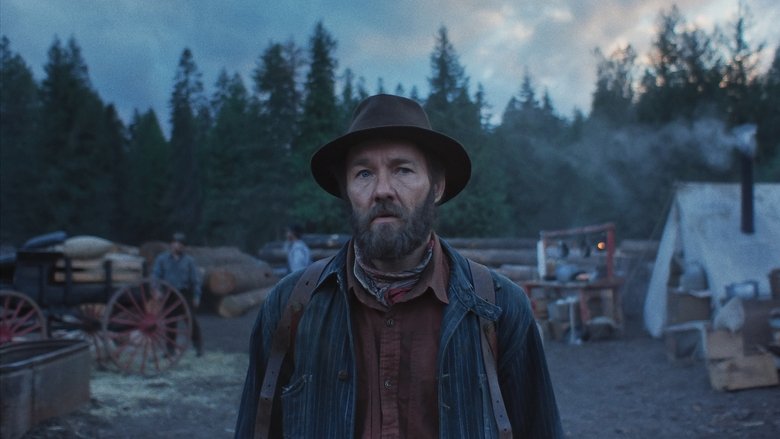
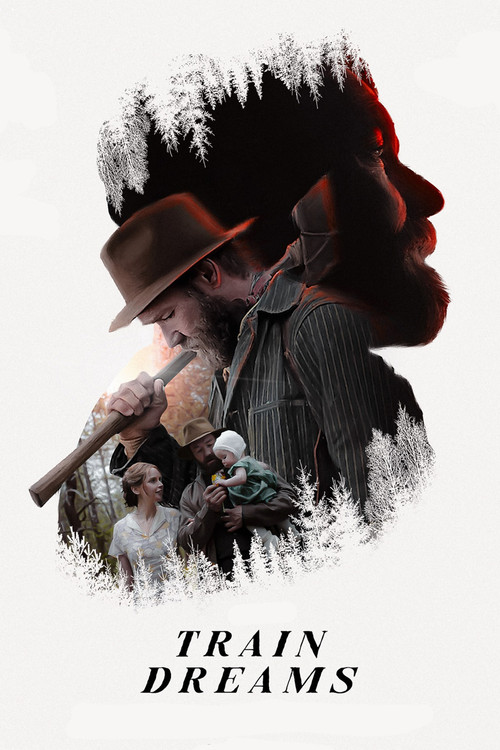
Robert Grainier grows up on the frontier, finding steady employment in railroad construction and logging. During a railroad bridge build, a mob of bigoted white workers assaults a Chinese laborer and throws him off a trestle to his death. Robert watches in paralysis, unable or unwilling to stop it—an act of cowardice that haunts him for sixty years.
Robert meets Gladys; they marry, build a cabin on the Moyie River, and welcome a baby girl, Kate. Due to financial necessity, Robert takes a long-term logging job across the valley. While he is away, an apocalyptic wildfire sweeps through the forest. Racing home through smoking ruins, Robert finds his cabin burned to ash and no trace of Gladys or Kate.
Devastated, Robert retreats into near-total solitude. He rebuilds a small shack on the scorched land where his family lived. Over the ensuing decades, he works odd jobs, interacts with colorful frontier wanderers (including explosive expert Arn Peeples and fellow widow Claire Thompson), and experiences eerie encounters with a feral wolf-girl whom he half-believes might be the wild spirit of Kate.
Decades pass, and the frontier rapidly modernizes around him into the late 1960s. In his extreme old age, an elderly Robert pays $4 to ride in a carnival biplane. As the pilot tells him, "You better hold on to something," Robert looks down upon the sweeping rivers, mountains, and forests. In that suspended moment high above the earth, memories of Gladys, his daughter, the men he worked with, and the trees he cut down wash over him. The ending frames his life not as a tragedy of loss, but as a luminous, completed tapestry of human existence.