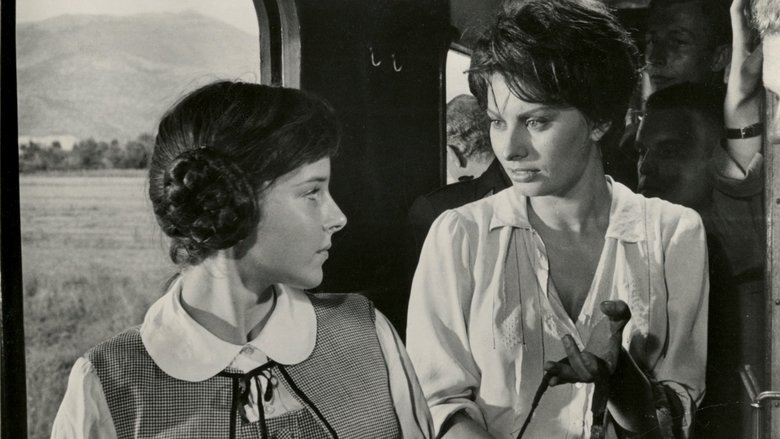
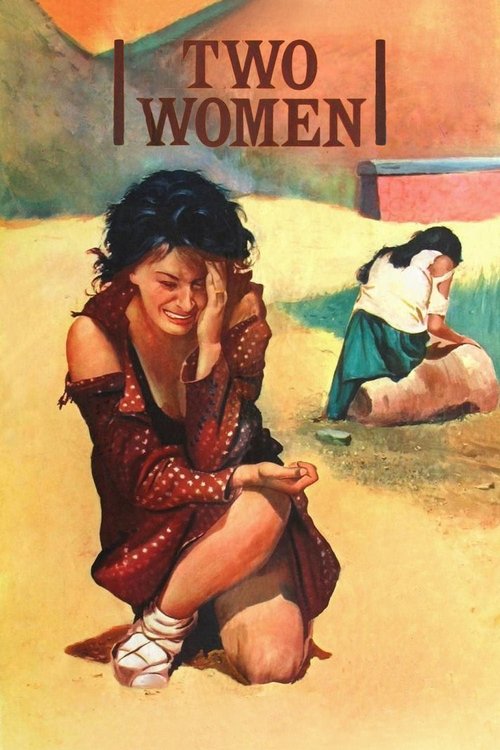
The central, devastating plot twist of "Two Women" is that the sanctuary Cesira sought for her daughter becomes the very place of her destruction. After weathering the war in the countryside, Cesira decides to return to Rome, believing the worst is over with the advance of Allied forces. On their journey, they take shelter in a bombed-out church. Here, in this supposed house of God, they are discovered by a group of Moroccan Goumiers—colonial soldiers fighting for the Allies—who brutally gang-rape both mother and daughter.
This event is the film's pivotal moment, shattering the narrative's relative peace and fundamentally altering both characters. Rosetta, who was the very reason for their journey, is rendered catatonic by the trauma, losing her innocence and her emotional connection to her mother. She becomes a stranger, trading sexual favors for a pair of silk stockings, a detail that horrifies Cesira and signifies Rosetta's complete psychological break. The hidden meaning that becomes clear is that the 'liberators' can be as monstrous as the occupiers, and the true enemy is the war itself, which corrupts all sides and makes victims of everyone. The film's ending provides a fragile resolution. While trying to get a ride, the truck driver who gave Rosetta the stockings is killed by thieves. The shock of this new violence, combined with Cesira telling a still-numb Rosetta that their friend Michele was killed by the Germans, finally breaks through Rosetta's trauma. She begins to cry like the child she once was. The film concludes with Cesira comforting her, their bond re-established not in innocence, but in shared grief and the faint possibility of healing.