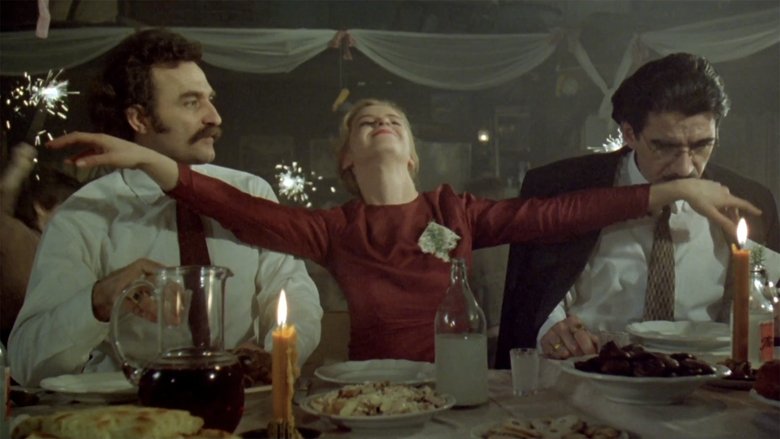
The film's structure is built on a massive deception. Twist 1: The war ended 20 years ago, but Marko has kept Blacky and the others underground, fabricating air raids and radio broadcasts to make them believe Nazis are still attacking. Twist 2: When they finally escape in the 1990s, they stumble into the actual Yugoslav civil war, mistaking it for the continuation of WWII. Ending: The main characters all die in the conflict (Marko and Natalija are executed, Ivan commits suicide). However, the final scene is a surreal dream: all the characters (dead and alive) are reunited at a wedding feast on a piece of land that cracks off and floats away, symbolizing that their 'Yugoslavia' now exists only in a fairy tale realm, disconnected from the real world.
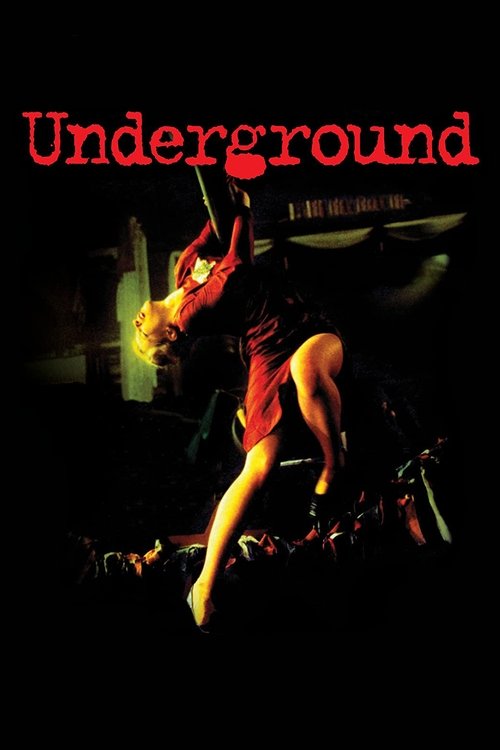
Подземље
"ONCE UPON A TIME THERE WAS A COUNTRY"
Director: Emir Kusturica
Cast: Predrag 'Miki' Manojlović, Lazar Ristovski, Mirjana Joković, Slavko Štimac, Ernst Stötzner
Underground — Ending Explained
⚠️ Spoiler Analysis
Alternative Interpretations
The 'Yugo-nostalgia' Reading: Many see the film as a mournful love letter to a unified Yugoslavia that was destroyed by fratricide, with the final floating island representing the memory of a multi-ethnic ideal that can no longer exist on earth.
The Propaganda Critique: Detractors argue that by portraying all sides as equally crazy and violent, and by focusing on a 'third party' (the Nazis/foreigners) or internal betrayal, the film whitewashes the specific crimes of the Milošević regime during the 1990s wars.
The Meta-Historical Satire: A more cerebral interpretation suggests the film isn't about the war itself, but about how the war is sold. Marko represents the state propaganda machine that invents enemies to stay in power, making the film a universal critique of totalitarian manipulation rather than a specific comment on the Bosnian war.
Explore More About This Movie
Dive deeper into specific aspects of the movie with our detailed analysis pages