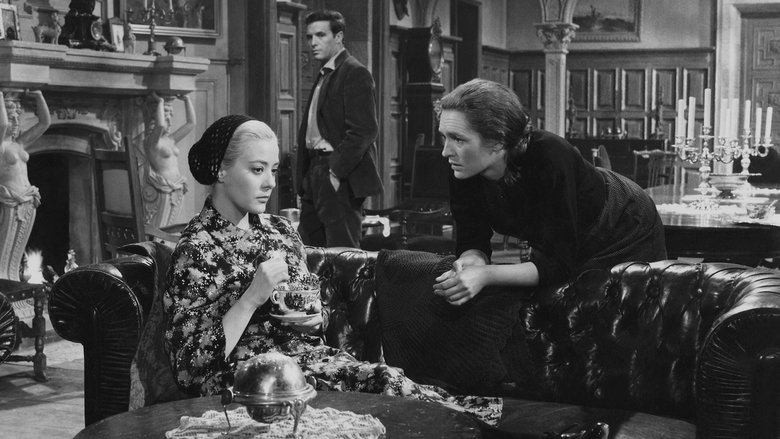
The film pivots sharply on its mid-point twist: after drugging Viridiana and dressing her in his dead wife's clothes, Don Jaime places her on his bed but ultimately restrains himself from assaulting her. The next morning, he lies to her, claiming he took her virginity, effectively ruining her chances of returning to the convent. Though he quickly confesses the truth, the psychological damage is done. Overcome with guilt and despair over her impending departure, Don Jaime hangs himself with a child's jump rope. Inheriting the estate alongside Jorge, Viridiana attempts to atone by housing a group of grotesque beggars. The climax arrives when the owners leave for a few days; the beggars break into the house, feast, and stage a riotous, drunken orgy. When Viridiana and Jorge unexpectedly return, the beggars attack them, and Viridiana is nearly raped by the men she tried to save. Jorge manages to bribe one beggar to kill the other, saving them. The horrific event shatters Viridiana's faith completely. In the ending, a disillusioned Viridiana lets her hair down and joins Jorge and the maid Ramona in a game of cards, implicitly agreeing to a secular, modern life and a ménage à trois, signifying the total collapse of her religious purity.
"We've got nothing to hide..."
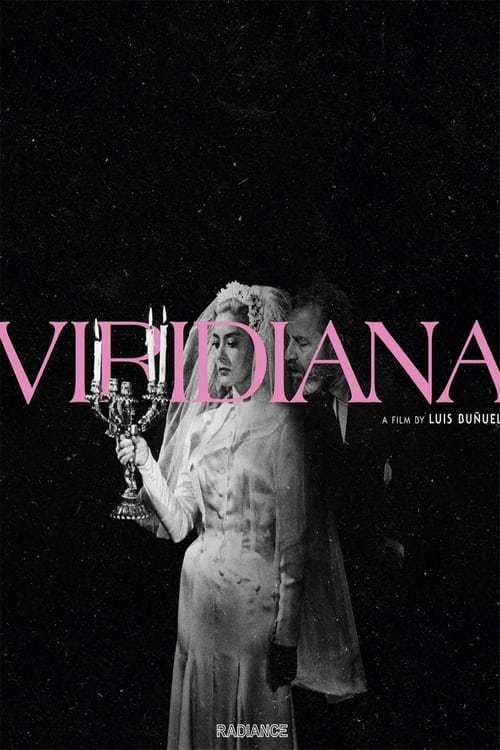
Director: Luis Buñuel
Cast: Silvia Pinal, Francisco Rabal, Fernando Rey, José Calvo, Margarita Lozano
Viridiana — Ending Explained
⚠️ Spoiler Analysis
Alternative Interpretations
While often viewed purely as a blistering attack on the Catholic Church, some critics interpret Viridiana not as an anti-religious diatribe, but as a tragic philosophical exploration of the human condition. From this perspective, Buñuel is not condemning Viridiana's inherent goodness, but rather showing how rigid idealism is incompatible with the messy, primal realities of human nature. Another interpretation focuses on psychoanalysis and Freudian concepts, reading Don Jaime's obsession as a classic manifestation of repressed Oedipal urges and necrophilia, while Viridiana's devotion to the Church is seen as a defense mechanism against her own repressed sexuality and fear of men. Finally, the ending has been interpreted in multiple ways: some see Viridiana sitting down to play cards as her ultimate defeat and corruption, while feminist readings suggest it represents her liberation from the impossible, stifling patriarchal ideals of virginity and martyrdom, allowing her to finally embrace the real world.
Explore More About This Movie
Dive deeper into specific aspects of the movie with our detailed analysis pages