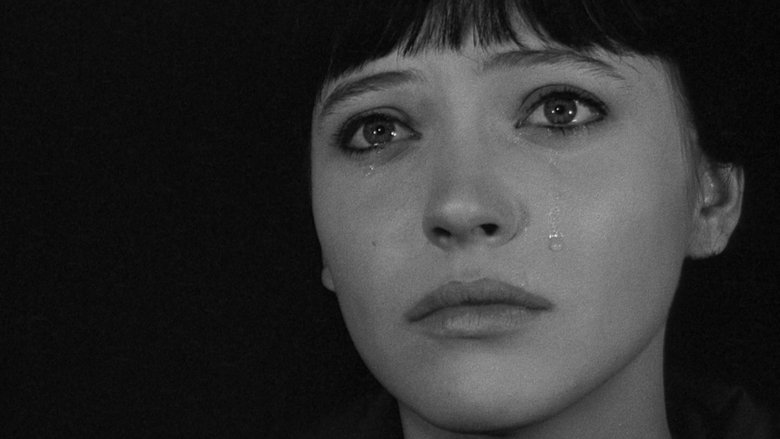
The film creates a sense of inevitable doom from the start. Nana's journey is not one of hope but of a slow slide. In the final tableau, Nana falls in love with a young artist (Peter Kassovitz) and plans to leave the life of prostitution. However, her pimp, Raoul, refuses to let her go without a payout.
The Twist/Ending: Raoul agrees to "sell" Nana to another pimp to recoup his investment. They meet in a quiet street for the exchange. Nana is merely a package in this transaction. The deal goes wrong when the other pimps try to cheat Raoul. Gunfire erupts. The rival pimp shoots at Raoul but hits Nana. Raoul, panicking, shoots back and flees, leaving Nana to die alone on the concrete. The camera films her crumpled body from a distance, abruptly cutting to black. The "clumsy" nature of her death highlights the banality of violence and the total dehumanization she suffered—discarded like a broken object when the transaction failed.