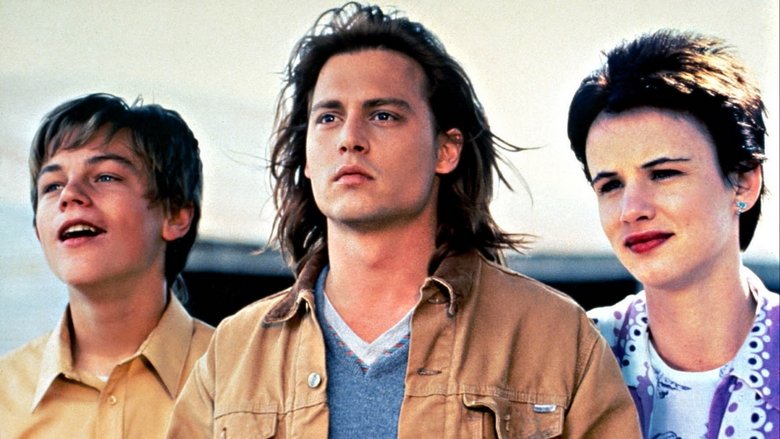

The narrative tension peaks right before Arnie's 18th birthday. An exhausted and deeply frustrated Gilbert, pushed past his limit after Arnie refuses to bathe, snaps and repeatedly hits his brother. Horrified by his own violent actions, Gilbert flees, temporarily abandoning his family. This shocking twist shatters the illusion of Gilbert as an unbreakable pillar and lays bare the severe psychological toll of parentification.
The final, ultimate twist occurs following Arnie's birthday party. Bonnie, who hasn't climbed the stairs since her husband's suicide, musters the strength to walk up to her bedroom, where she peacefully passes away in her sleep. Realizing that the authorities would have to use a crane to remove her body—thereby turning her into the town joke she always feared becoming—Gilbert and his siblings make the radical decision to empty the house and set it on fire with Bonnie inside. This profound act serves as a Viking funeral, granting Bonnie dignity while simultaneously destroying the physical manifestation of the family's trauma. The film ends with Gilbert and Arnie finally leaving Endora, boarding Becky's trailer to embrace their freedom.