White Heat
A blistering, explosive film noir blending savage gangster tropes with psychological tragedy. Cagney's mother-obsessed mobster detonates in a literal and metaphorical mushroom cloud of apocalyptic hubris.
White Heat
White Heat

"Pick up the pieces folks, Jimmy's in action again!"

02 September 1949 United States of America 114 min ⭐ 7.7 (527)
Director: Raoul Walsh
Cast: James Cagney, Virginia Mayo, Edmond O'Brien, Margaret Wycherly, Steve Cochran
Drama Crime Thriller
Psychological Roots of Crime The Obsolescence of the Outlaw Betrayal and Paranoia Classical Tragedy in a Modern Setting
Budget: $1,300,000
Box Office: $3,483,000

White Heat - Ending Explained

⚠️ Spoiler Analysis

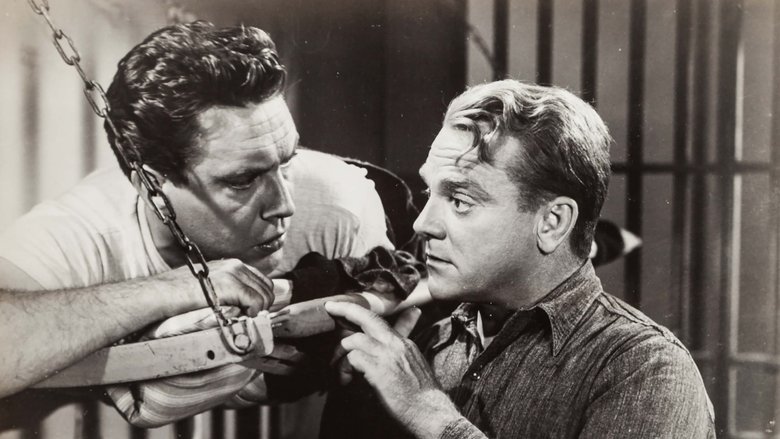
The film's intricate plot hinges on a series of nested deceptions. Cody intentionally confesses to a minor crime to secure an alibi for a brutal train robbery, unaware that the Treasury Department has planted undercover agent Hank Fallon in his cell as 'Vic Pardo.' The pivotal emotional twist occurs when Cody, after escaping prison with Pardo, discovers that his mother has been murdered in the back by his usurping rival Big Ed—though Verna cleverly manipulates Cody into believing Ed acted entirely alone to save her own life.

The climax at the chemical plant unravels when Pardo manages to use a radio oscillator to signal the police. Cody's discovery of Pardo's true identity shatters his last remaining tether to humanity. Surrounded, wounded, and utterly alone, Cody refuses to surrender. He climbs a massive spherical gas tank and, in a moment of apocalyptic triumph and total psychological collapse, shoots the tank, immolating himself while screaming to his dead mother. The ending reveals that Cody's ultimate goal was never wealth, but a twisted, Oedipal ascension to validation.

Alternative Interpretations

While traditionally viewed as a straightforward crime thriller about a psychopathic gangster, critics and film scholars have offered several alternative readings.

An Existential Monster Movie: Some scholars view Cody Jarrett not merely as a man, but as a primal force of nature—a cinematic monster akin to Frankenstein's creation, raging against the relentless, cold bureaucracy of modern law enforcement.

Classical Greek Tragedy: The film can be read as a modern retelling of Oedipus and the Iliad, where the protagonist's hubris, his unnatural maternal bond, and his use of a 'Trojan Horse' guarantee his tragic, predestined downfall.

Homoerotic Subtext: Cody's profound, immediate affection for his cellmate Vic Pardo ('I treated him like a kid brother') and his absolute, world-shattering devastation at Vic's betrayal can be interpreted through a queer lens. This highlights Cody's deep alienation from traditional heterosexual relationships, further underscored by his loveless, violently toxic marriage to Verna.