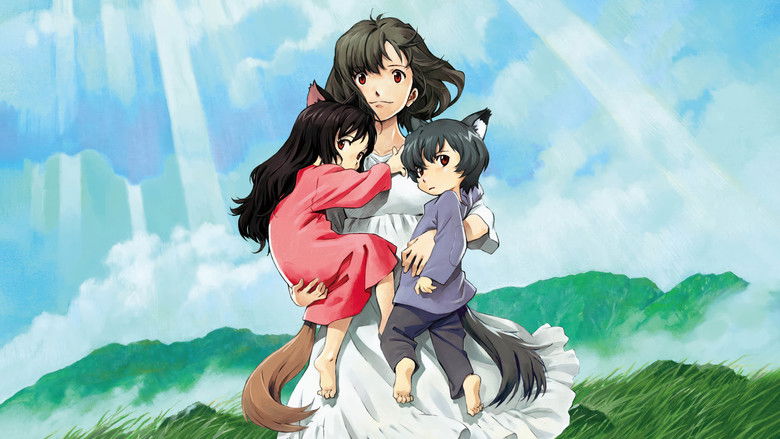
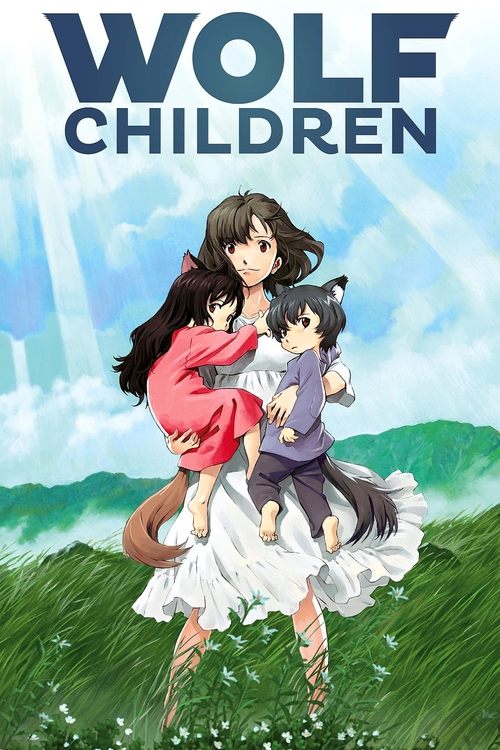
The central tragedy of the film is the early death of the Wolf Man. He is found dead in a canal in his wolf form after attempting to hunt for his family, and his body is unceremoniously disposed of by garbage collectors, with Hana watching helplessly. This event forces Hana into single motherhood and sets the stage for the rest of the narrative.
The climax of the film sees the two children making their definitive choices. During a severe storm, Yuki, who has been trying to hide her wolf nature from her classmate Sohei, is cornered by him. Frightened, she transforms and accidentally scratches his ear. Later, when they are alone at school, she fully reveals her wolf form to him. Sohei, however, tells her he already knew and promises to keep her secret, solidifying their bond and her place in the human world.
Simultaneously, Ame, who has grown to love the forest, decides he must take the place of his dying fox mentor as the mountain's guardian. Hana, desperate not to lose him, follows him into the storm and is injured. Ame rescues her, and when she awakens, she sees him as a fully grown wolf. He runs off into the mountains, and she tearfully but happily accepts his decision, understanding he has found his path. The film ends with Yuki leaving for middle school a year later, and Hana living alone in her country house, content in the knowledge that she successfully raised her children to be independent.