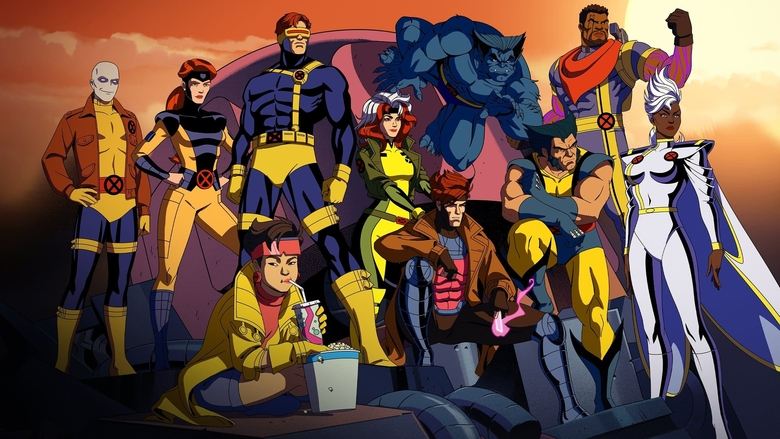
X-Men '97's first season is built around a series of major twists. The initial reveal that Professor X left the team and his school to Magneto sets the stage for the season's central ideological conflict. A significant mid-season twist reveals that the Jean Grey who has been with Scott and gave birth to their son, Nathan, is actually a clone named Madelyne Pryor, created by Mister Sinister. The real Jean Grey then returns, creating a deeply painful and complicated family dynamic that results in Madelyne, influenced by Sinister, turning into the Goblin Queen before tragically dying.
The most significant plot turn is the devastating attack on the mutant nation of Genosha in Episode 5, orchestrated by a new villain, Bastion. This event, a massive surprise for viewers expecting a more conventional superhero story, results in the deaths of thousands of mutants, including the beloved X-Man Gambit and seemingly Magneto. This act of genocide fundamentally changes the tone of the series and directly leads to the season's climax.
The finale reveals that Bastion is not a machine but a new kind of Sentinel, born human but transformed by Nimrod's futuristic technology, giving him a deeply personal hatred for mutants. The final battle against Bastion and his Prime Sentinels culminates not in the X-Men's death, as it appears, but in them being scattered through time by the implosion of Asteroid M. Cyclops and Jean are sent to 3960 A.D. to raise their son Nathan with Clan Askani, while Magneto, Professor X, Rogue, Beast, and Nightcrawler are sent to Ancient Egypt in 3000 B.C., where they meet En Sabah Nur, the mutant who will become Apocalypse. A post-credits scene shows Apocalypse in the present-day ruins of Genosha, finding Gambit's playing card and ominously hinting at his resurrection as the Horseman of Death, setting up the primary antagonist and a major, tragic character arc for Season 2.