
Skip to content
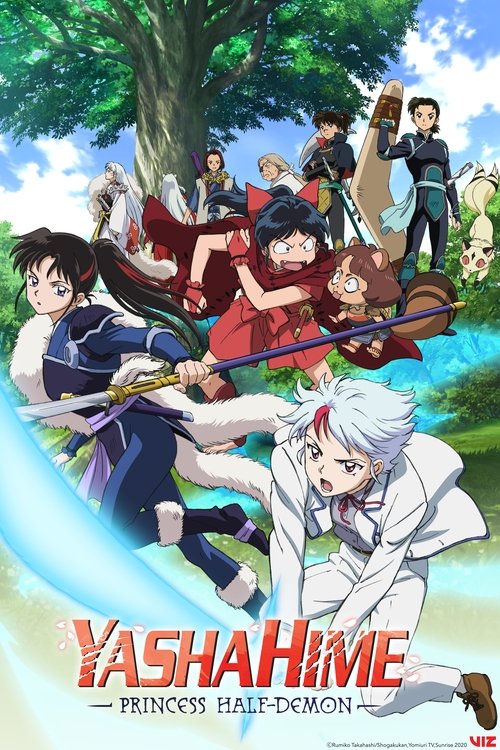
Yashahime: Princess Half-Demon
A moonlit feudal tapestry woven with nostalgic yearning, where fractured threads of bloodline, stolen dreams, and sisterly devotion ignite against an ancient, celestial tempest.
Yashahime: Princess Half-Demon

半妖の夜叉姫

03 October 2020 — 26 March 2022 Japan 1 season 48 episode Ended 8.3 (170)

Cast: Sara Matsumoto, Mikako Komatsu, Azusa Tadokoro, Ryohei Kimura, Takehiro Urao

Animation Action & Adventure Generational Legacy and Heritage Sisterhood, Empathy, and Reconnection Grief, Obsession, and the Release of Regret Dual Identity and Belonging Defying Prophecy and Choosing Destiny

Yashahime: Princess Half-Demon — Ending Explained

⚠️ Spoiler Analysis

Flashbacks reveal that shortly after the twins' birth, Kirinmaru and Zero moved to eliminate half-demons due to the prophecy. To protect Inuyasha and Kagome from an unwinnable clash, Sesshomaru sealed them away within the Black Pearl at his father's borderland grave.

Meanwhile, Zero placed a silver-scale life-link curse on Rin. To keep Rin alive and halt the curse, Jaken deployed the Dream Butterfly to put Rin into stasis, transferring Setsuna's dreams and sleep to her mother. The seven Rainbow Pearls were born when the Great Dog Demon perished; Zero wept bitter tears and wished upon the Shikon Jewel to discard her emotions, crystallizing her sorrow into the pearls.

In the climax, Setsuna uses Yukari no Tachikiri to cut the karmic thread binding Zero’s sorrow, allowing Zero to find peace and Rin to wake. Moroha frees Inuyasha and Kagome from the Black Pearl in an emotional family reunion. Alongside Sesshomaru and Inuyasha, the three princesses permanently destroy the Grim Comet, lay Kirinmaru and Rion's spirits to rest, and set out together into a peaceful future.

Alternative Interpretations

The series offers multiple interpretive angles:

  • The Allegory of Displaced Youth: Towa’s upbringing in modern Japan compared to Setsuna’s survivalist feudal life can be read as an allegory for modern youth reconnecting with ancestral traditions and cultural heritage.
  • Zero's Arc as a Critique of Toxic Romantic Idealization: Zero’s inability to move past the Great Dog Demon’s rejection and death deconstructs the romantic trope of eternal devotion, portraying unyielding obsession as a spiritual poison.
  • The 'Absence of the Father' Metaphor: Sesshomaru’s non-interventionist parenting style is interpreted by some as a traditional tough-love samurai rite-of-passage (shishi no kokoromi), and by others as emotional detachment emphasizing the girls' need for self-determination.

Explore More About This Movie

Dive deeper into specific aspects of the movie with our detailed analysis pages

Similar Movies