一一
"We never live the same day twice"
Director: Edward Yang
Cast: Wu Nien-jen, Issey Ogata, Elaine Jin Yan-Ling, Kelly Lee, Jonathan Chang
Yi Yi — Movie Quotes
Memorable Quotes
Daddy, can we only know half of the truth? I can only see what's in front, not what's behind. So I can only know half of the truth, right?
Context
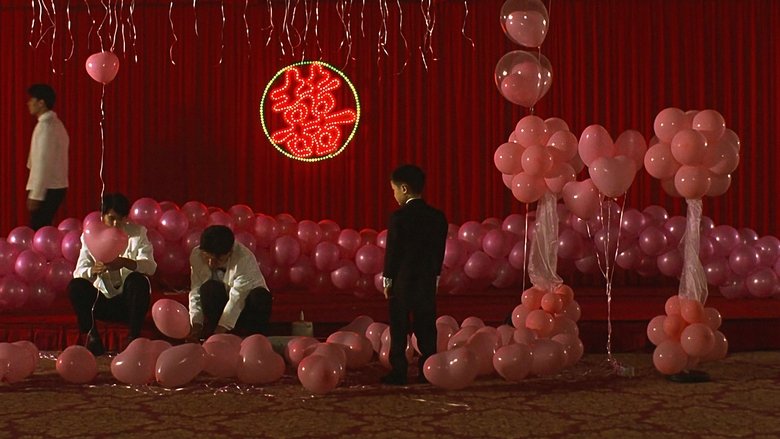
Yang-Yang asks his father, NJ, this question after his mother has a breakdown about the emptiness of her life. NJ, struck by the question's wisdom, responds by suggesting they get a camera, directly linking the problem of perception to the symbol of photography.
Meaning
This quote is the philosophical thesis of the entire film. It articulates the central theme of limited perspective and the idea that there are parts of reality and ourselves that remain forever unseen. It's a profound observation from a child that encapsulates the struggles of all the adult characters.
My uncle says we live three times as long since man invented movies.
Context
Fatty says this to Ting-Ting during a date. Ting-Ting counters, "Then who needs movies? Just stay home and live life!" The conversation highlights their differing, youthful philosophies on life and experience.
Meaning
This line explores the relationship between life and art. It suggests that movies expand our human experience, allowing us to live vicariously through stories and understand situations, like murder, that we might never encounter. It raises questions about whether art is a substitute for life or an enhancement of it.
Why are we afraid of the first time? Every day in life is a first time. Every morning is new. We never live the same day twice. We're never afraid of getting up every morning. Why?
Context
The Japanese game designer Ota shares this wisdom with NJ during their business trip in Tokyo. This conversation solidifies their friendship, which is based on mutual respect and a shared sense of integrity and wonder.
Meaning
Ota's philosophy offers a counterpoint to the regret and stagnation felt by other characters. He suggests that life's constant newness should be embraced rather than feared. This perspective helps NJ to re-evaluate his own life and choices, encouraging him to see the present not as a failure but as another unique "first time."
I want to tell people things they don't know. Show them stuff they haven't seen.
Context
Yang-Yang reads these words from a letter he has written to his deceased grandmother at her funeral. It is the film's final monologue, a deeply moving moment where the youngest character expresses the most profound and hopeful ambition, bringing the film's themes to a poignant close.
Meaning
This is the culmination of Yang-Yang's character arc and a powerful mission statement for the artist. It directly connects his hobby of photography to a deeper purpose: to enlighten, to reveal, and to expand the perception of others. It echoes the role of the filmmaker himself.
Explore More About This Movie
Dive deeper into specific aspects of the movie with our detailed analysis pages