Skip to content
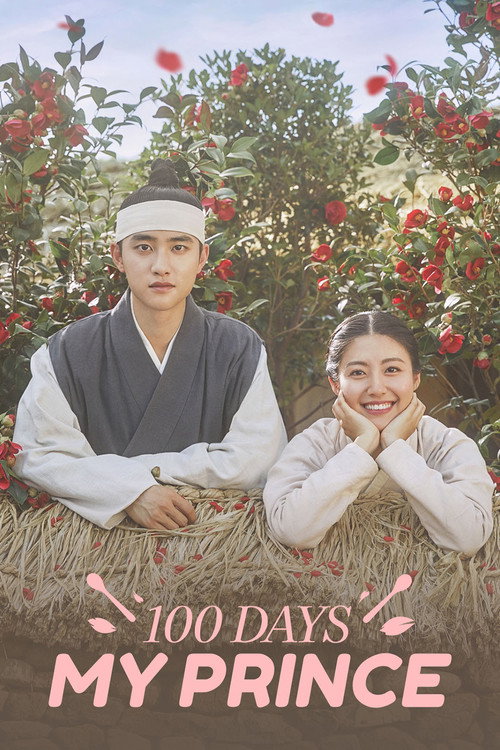
100 Days My Prince
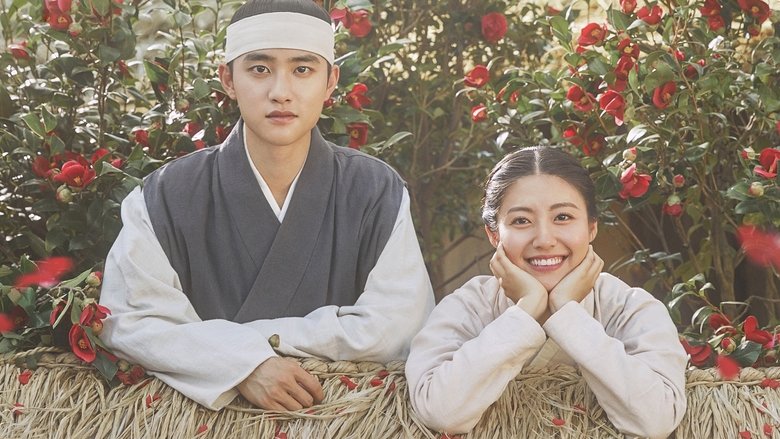
A poignant fusion sageuk tracing a fractured soul's journey toward healing, where a lost amnesiac crown prince discovers enduring love and tenderness under a humble thatched roof.
100 Days My Prince
100 Days My Prince

백일의 낭군님

"I will marry you someday."

10 September 2018 — 30 October 2018 South Korea 1 season 16 episode Ended 7.9 (175)

Cast: Doh Kyung-soo, Nam Ji-hyun, Cho Seong-ha, Cho Han-cheul, Oh Yeon-ah

Drama Comedy Mystery Identity and the Deconstruction of Hierarchy Healing Childhood Trauma and Recovering Lost Time Royal Duty vs. Individual Autonomy Political Corruption, Collusion, and Tyranny Found Family and Village Solidarity

100 Days My Prince — Ending Explained

⚠️ Spoiler Analysis

The core conspiracy driving the assassination attempt is that Crown Princess Kim So-hye is pregnant with an illegitimate child fathered by Moo-yeon (Yoon Seok-ha), Kim Cha-eon's assassin and Hong-shim's brother. Because Yul never consummated his marriage, Kim Cha-eon attempted to murder Yul to conceal the treason and crown his unborn grandchild.

In the climax, Moo-yeon is killed by Kim Cha-eon while attempting to flee with So-hye. Kim Cha-eon stages a final northern border rebellion, but Yul anticipates the trap and eliminates the treacherous minister using royal archers. Yul shows mercy by faking So-hye's death so she may raise Moo-yeon's child peacefully in exile, clears Yoon Yi-seo's family name, and returns to Songjoo village to stage a heartwarming proposal under falling cherry blossoms.

Alternative Interpretations

Several critical perspectives surround the drama's narrative structure:

  • The Pastoral Utopian Reading: Suggests Songjoo village represents an idealized utopia where human value derives from communal support. Returning to the palace is seen not as a victory, but as a sacrifice of personal happiness to protect rustic peace.
  • The Psychological Dissociation Reading: Interprets Yul's amnesia as an unconscious defense mechanism to escape sixteen years of severe PTSD, grief, and emotional paralysis, manifesting 'Won-deuk' as the carefree youth he was never allowed to be.
  • Autonomy in the Epilogue: Views Hong-shim's hesitation in Episode 16 as an assertion of personal agency to avoid becoming another victim of toxic palace politics, rather than simple narrative stalling.

Explore More About This Movie

Dive deeper into specific aspects of the movie with our detailed analysis pages

Similar Movies