Full spoilers. The film's structure is a trap disguised as a rampage. Bane's opening move — emptying Arkham Asylum and releasing Batman's entire rogues gallery into Gotham at once — is not the plan; it is the preparation for the plan. Every hour Batman spends recapturing his own villains is an hour Bane spends doing nothing but resting and watching. The film's real clock is not the crime spree but Bruce's sleep debt, and the reason the early stretch can feel like an anthology of villain fights is that this is the mechanism of defeat operating in plain sight.
Why he is already losing before it starts. Bruce enters the story psychologically fragmented by Jason Todd's death and physically wrecked by sleepless nights. Bane's genius is that he does not have to inflict this condition — he only has to recognize it and deepen it. The tension with Tim Drake is part of the same trap: Batman's terror that his new Robin will die like the last one is exactly what stops him from accepting the help that would break the cycle. His protectiveness is the thing killing him.
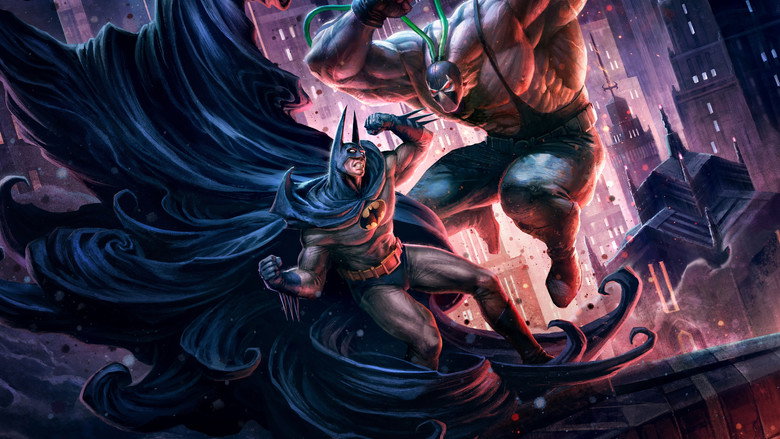
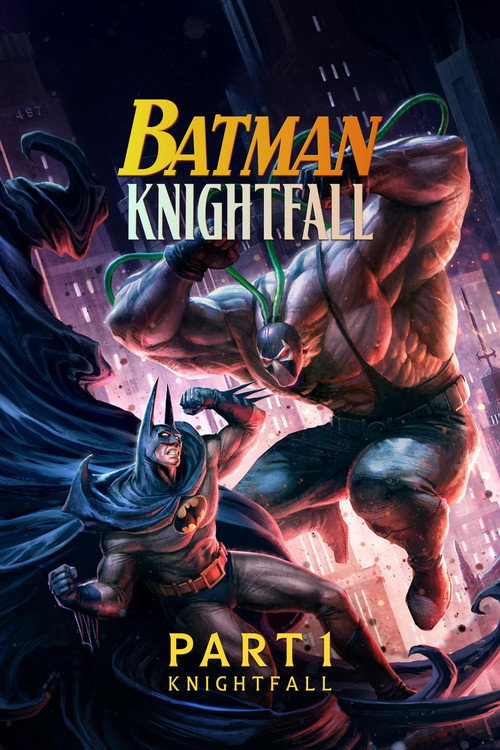
The breaking. This is the story in which Batman truly breaks, and the film honors that promise. By the time Bane finally faces him directly, the fight is a formality — the R rating exists so the audience cannot look away from what it costs. The defeat is physical and total, and the point is that the punch was the last step of a plan, not the plan itself. Bane wins because he understood that Batman would exhaust himself if given enough targets; the strength was only there to collect the winnings.
What the ending sets up. With the Batman incapacitated, the film's quietest thread becomes its most dangerous: Jean-Paul Valley / Azrael, established throughout as a young man carrying an inherited identity and an absolutist creed he did not choose. The mantle has to go somewhere, and the film has spent its runtime showing that the symbol's meaning depends entirely on who holds it. Tim Drake's optimism and Jean-Paul's zeal are placed side by side as two possible futures.
The retroactive meaning. On a second viewing, the film reads less as an action piece than as an autopsy performed on a living patient. Every moment of Bruce refusing rest, refusing Tim, refusing Gordon's institutional help, is the story explaining its own ending in advance. The hidden meaning that only lands afterward is that Bane never actually fought Batman's strength — he fought Batman's belief that he had no limits, and that belief was always the weakest thing about him.