Skip to content
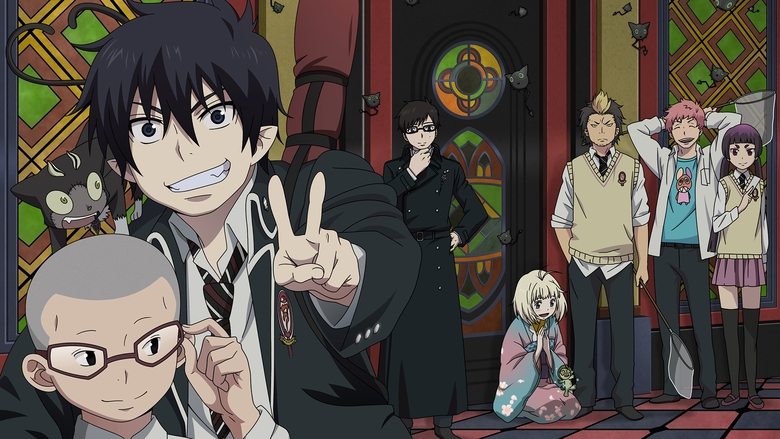
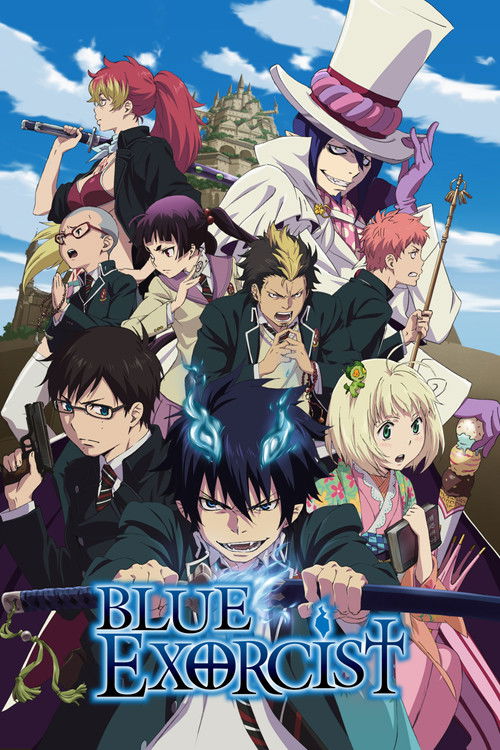
Blue Exorcist
A gothic dark fantasy brimming with fraternal angst and incandescent resolve, where cursed azure flames illuminate a fractured youth's desperate climb from demonic pariah to humanity's steadfast shield.
Blue Exorcist
Blue Exorcist

青の祓魔師

17 April 2011 — 23 March 2025 Japan 5 season 73 episode Ended 7.8 (547)

Cast: Hiroshi Kamiya, Jun Fukuyama, Keiji Fujiwara, Nobuhiko Okamoto, Eri Kitamura

Animation Sci-Fi & Fantasy Action & Adventure Mystery Nature vs. Nurture & Identity Determination Fraternal Bond, Resentment, and Projection Institutional Corruption & Dogmatism vs. Personal Morality Grief, Trauma, and Generational Sins

Blue Exorcist — Ending Explained

⚠️ Spoiler Analysis

The narrative contains several major foundational revelations and climactic twists:

  • The Origin of the Twins: Rin and Yukio are the sons of Yuri Egin, an Exorcist who befriended Satan in Gehenna, believing demons and humans could coexist peacefully.
  • Section 13 and Cloning: The True Cross Order secretly ran Section 13, an illicit laboratory breeding synthetic bodies and clones (including clones of Azazel, which produced Shiro Fujimoto) in an effort to create vessels capable of housing the Demon Kings.
  • The Blue Night Reality: The catastrophic 'Blue Night' occurred when Satan possessed high-ranking exorcists worldwide searching for a vessel to reach Yuri and his newborn twins, resulting in mass spontaneous human combustion.
  • Yukio's Hidden Demonic Eyes: Despite appearing purely human, Yukio received a demonic wound in the womb that awakened latent demonic perception and left his left eye vulnerable to Satan's presence, feeding his deep internal crisis.
  • Renzo Shima's Double Agent Status: Renzo Shima is revealed to be a spy for the Illuminati while simultaneously acting under Mephisto Pheles' orders as a double/triple agent.
  • Lucifer's True Motive: Lucifer, King of Light and Commander of the Illuminati, seeks to forcefully merge Assiah and Gehenna to prevent the decay of demonic forms, regardless of the catastrophic loss of human life.

The series builds to a monumental showdown where Rin must battle Satan manifesting through a cloned vessel, relying not on destructive rage, but on synchronized teamwork led by Yukio and his fellow exorcists, bringing the multi-generational family tragedy to a definitive resolution.

Alternative Interpretations

Several critical perspectives provide deeper readings of the narrative:

  • Allegory for Inherited Trauma and Mental Health: Many critics interpret the blue flames not merely as physical magic, but as an externalization of destructive rage, genetic mental health struggles, and inherited trauma. Rin's journey involves learning to regulate and channel volatile emotion rather than repressing it into toxicity.
  • Anti-Institutional Critique: The True Cross Order functions as a critique of powerful dogmatic institutions that enforce public peace through secrecy, human experimentation, and historical revisionism.
  • The Ambiguity of Demonic Nature: While demons are initially introduced as malevolent monsters possessing human weaknesses, later arcs suggest Gehenna's denizens are primal embodiments of concept and desire, reflecting humanity's own suppressed shadows.

Explore More About This Movie

Dive deeper into specific aspects of the movie with our detailed analysis pages

Similar Movies