BTS In the SOOP
A tranquil reality series offering a serene escape, like a gentle stream flowing through a quiet forest, capturing moments of peace and authentic friendship.
BTS In the SOOP

BTS In the SOOP

In the SOOP BTS편

"A week in the forest, a gift for BTS."

19 August 2020 — 12 November 2021 South Korea 2 season 13 episode Returning Series ⭐ 8.5 (404)
Cast: RM, Jin, Suga, j-hope, Jimin
Reality
Healing and Rest Friendship and Found Family Authenticity and Vulnerability Nature as Respite

Overview

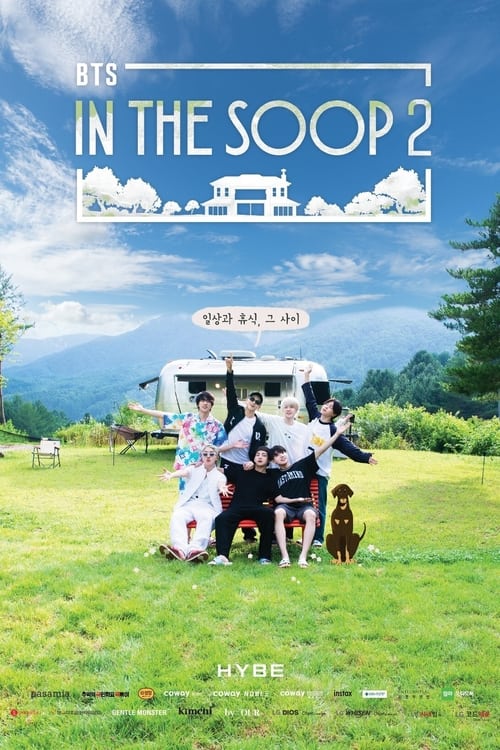
"BTS In the SOOP" is a South Korean reality series that follows the seven members of the global music sensation BTS as they take a well-deserved break from their demanding schedules. The show's premise is centered around the theme of "between everyday life and rest," allowing the members to retreat to a secluded location in nature—"soop" means "forest" in Korean—for a period of unstructured relaxation. Across two seasons, the members are shown freely engaging in their hobbies, both individually and as a group, with minimal interference from production staff.

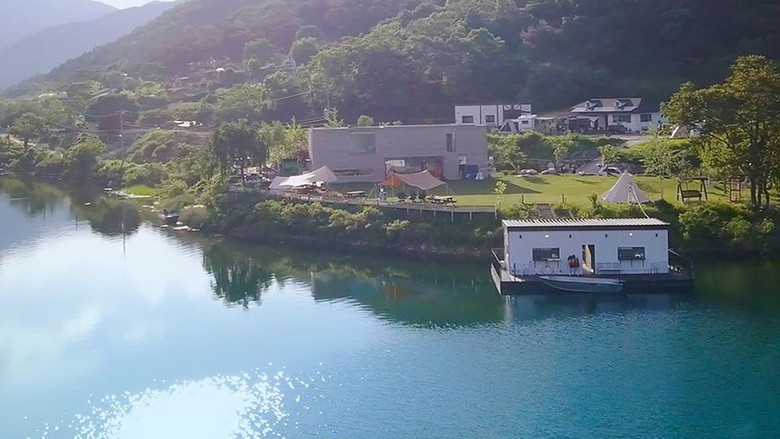
The first season, which premiered in 2020, sees the group settling into a lakeside property where they spend their days fishing, cooking, painting, and simply enjoying each other's company. The second season, aired in 2021, takes them to a larger, custom-built mansion in the mountains of Pyeongchang, complete with luxurious amenities like a swimming pool, gym, and tennis court, allowing for an even wider range of leisure activities. The series offers an intimate and peaceful glimpse into the lives of the members, showcasing their close bond and the simple joys they find in everyday activities away from the global spotlight.


Core Meaning

The core meaning of "BTS In the SOOP" is the profound importance of rest, healing, and finding equilibrium between one's public persona and private self. The series serves as a quiet manifesto against the glorification of non-stop work culture, particularly prevalent in the K-pop industry. By showing the members of one of the world's biggest bands engaging in simple, mundane, and restorative activities, the show posits that true creativity and personal well-being are nurtured in moments of peace and idleness. It's a message that resonates universally, suggesting that taking time to disconnect and simply 'be'—whether alone or with loved ones—is not a luxury but a necessity for a meaningful life. The show highlights that even for global superstars, happiness can be found in shared meals, quiet conversations, and the freedom to follow one's own pace.

Thematic DNA

Healing and Rest 35%
Friendship and Found Family 30%
Authenticity and Vulnerability 20%
Nature as Respite 15%

Healing and Rest

This is the central theme of the series. The show deliberately moves away from the structured, high-energy formats of other reality shows like Run BTS! or Bon Voyage. Its tagline, "between everyday life and rest," is embodied by the members' freedom to create their own schedules. Viewers praised the show for being a "relaxing" and "healing" experience, which provided a sense of calm, particularly during the COVID-19 pandemic. The members themselves speak about the experience as a chance to recharge and do things they normally can't due to their busy careers.

Friendship and Found Family

The series offers a deep dive into the dynamics of the seven members, who have spent over a decade together. Their interactions are natural and showcase a bond that resembles that of a real family. They cook for each other, support one another's hobbies, engage in silly antics, and have heartfelt conversations. Moments like Jin and Suga's late-night talk in Season 1 or the group reminiscing on their final night in Season 2 highlight the depth of their relationship, cultivated over years of shared experiences.

Authenticity and Vulnerability

With minimal staff interference, the show aims to present the members in their most natural state. It captures them without makeup, in comfortable clothes, and engaging in personal hobbies, from RM's reading and V's painting to Jungkook's boxing and music production. This stripped-down presentation contrasts sharply with their powerful on-stage personas, revealing a more vulnerable and relatable side. The format allows them to be "just regular people," offering fans a rare glimpse into their individual personalities and how they function outside the demands of being global idols.

Nature as Respite

The title itself, "In the SOOP" (In the Forest), establishes nature as a key element. The serene, isolated locations—a lake house in Season 1 and a mountain estate in Season 2—act as a sanctuary. The cinematography frequently emphasizes the beauty of the natural surroundings. The members engage in activities that connect them with nature, such as fishing, canoeing, and hiking. This setting provides a stark contrast to the urban environments where they typically work, underscoring nature's role as a source of peace and restoration.

Character Analysis

RM

RM (Kim Nam-joon)

Archetype: The Philosopher
Key Trait: Introspective

Motivation

To use the downtime for intellectual and personal enrichment. He seeks to recharge his mind, finding stimulation and relaxation in books and thoughtful activities like building model boats.

Character Arc

RM's arc is one of quiet contemplation. He often immerses himself in reading and intellectual pursuits, showcasing his introspective nature. While he participates in group activities, he is frequently seen finding solace in solitude, whether reading in his room or on a boat. His journey in the show is less about a dramatic change and more about a consistent demonstration of finding peace through knowledge and quiet reflection amidst the playful energy of the other members.

Jin

Jin (Kim Seok-jin)

Archetype: The Nurturing Comedian
Key Trait: Jovial

Motivation

To find enjoyment in the moment and ensure the members are well-fed and entertained. His motivation is rooted in creating a happy, comfortable atmosphere, whether through a successful fishing trip, a delicious meal, or a funny joke.

Character Arc

Jin's arc revolves around balancing his playful, comedic side with his role as the eldest member who often takes care of others, especially through cooking. He initiates many of the lighthearted moments and games but is also frequently found fishing patiently or diligently preparing meals. His journey shows a comfortable oscillation between being a source of laughter and a source of quiet, dependable care for the group. In Season 2, his dedication to video gaming becomes a prominent, humorous subplot.

Suga

Suga (Min Yoon-gi)

Archetype: The Quiet Craftsman
Key Trait: Methodical

Motivation

To use the time productively but without pressure. He is motivated by the satisfaction of creating things, whether it's a song or a meal for his members, finding his own form of healing through these skillful pursuits.

Character Arc

Suga's arc is about finding rest through creation and quiet competence. Often seen as reserved, he expresses himself through actions: cooking elaborate meals, working on music in his campervan, or engaging in woodworking. His journey demonstrates that relaxation doesn't always mean inactivity; for him, it's about channeling his energy into tangible, satisfying projects. He is a quiet pillar of the group, often initiating the cooking that brings everyone together.

j-hope

j-hope (Jung Ho-seok)

Archetype: The Sunshine
Key Trait: Energetic

Motivation

To create a positive and enjoyable environment for everyone. He is motivated by a desire for shared fun and connection, often acting as the catalyst for group activities and ensuring everyone feels included.

Character Arc

j-hope's arc is one of maintaining his bright and orderly energy while also embracing the slow pace of the retreat. He is often seen keeping things tidy and participating enthusiastically in group activities. His journey is about channeling his high energy into relaxing pastimes like painting or flying model planes, showing how he finds a calmer, yet still joyful, way to express his vibrant personality.

Jimin

Jimin (Park Ji-min)

Archetype: The Empathetic Soul
Key Trait: Affectionate

Motivation

To connect with his members and enjoy the shared experience. His motivation is primarily relational; he finds joy and comfort in the simple act of spending quality time with the others, whether playing games or just talking.

Character Arc

Jimin's arc focuses on connection and quiet presence. He is often seen checking in on other members, participating in their hobbies with them, and being a supportive companion. While he has his own interests like playing the piano or guitar, his journey is more defined by his gentle, empathetic interactions with others. He demonstrates how rest can be found in simply being present and available for the people you care about.

Symbols & Motifs

The Forest (Soop)

Meaning:

The forest, or "soop," symbolizes a sanctuary and a place of healing. It represents a state of being away from the pressures of fame, schedules, and public scrutiny. It is a space where the members can disconnect from their roles as BTS and reconnect with themselves and each other on a simpler, more fundamental level.

Context:

The entire premise of the show is built around this symbol. In both seasons, the members are physically removed from the city and placed in a secluded, natural environment. The name of the show and its theme song, which the members recorded together, explicitly reinforce the forest as their temporary haven.

Shared Meals

Meaning:

Cooking and eating together are recurring activities that symbolize family, community, and care. In Korean culture, sharing a meal is a significant act of bonding. Within the show, these moments represent the members' domestic dynamic and their deep-seated affection for one another.

Context:

Throughout both seasons, there are numerous scenes of the members preparing elaborate meals together or for each other. Suga is often seen as the main chef, but other members like Jin and Jungkook also frequently cook. These scenes, from preparing traditional Korean dishes to gathering for their final dinner, serve as anchors for the group's daily activities and are central to the show's depiction of their familial bond.

Individual Hobbies

Meaning:

The members' individual hobbies symbolize their distinct personalities and the importance of personal time even within a group context. Activities like painting (V), fishing (Jin, Suga), music production (Suga, Jungkook), or reading (RM) are manifestations of their inner worlds and passions outside of BTS.

Context:

The show's unstructured format is designed to give the members time to pursue these hobbies. Both seasons are filled with long segments dedicated to watching them engage in these solitary or small-group activities. This focus highlights the show's theme of balancing group life with individuality, showing how they find rest and self-expression on their own terms.

Memorable Quotes

What's ordinary to others is special to me.

— Suga

Context:

While this specific quote is from the "Break The Silence" docu-series, its sentiment is the philosophical backbone of "In the SOOP". It perfectly explains the value and meaning behind the entire concept of the series, where the members get to experience an ordinary life away from the stage.

Meaning:

This quote, referenced in discussions about BTS's mindset, encapsulates a key theme of the show. For individuals living an extraordinary life, the simple, mundane activities they engage in during the show—like cooking, fishing, or napping—become special and cherished moments of normalcy and rest.

It's so fun when the seven of us are together. If we're missing one person… then it wouldn't feel the same. It's fate that all seven of us met.

— j-hope

Context:

This was said during a heartfelt conversation in Season 1, Episode 7, as the members reflected on their time together. The moment underscores the emotional foundation of the group and the genuine affection they have for one another, which is a central element of the show's appeal.

Meaning:

This statement powerfully affirms the group's deep, familial bond. It highlights the core idea that their collective identity and happiness are intrinsically linked to all seven members being present, reinforcing the "found family" theme of the series.

A space we are in together, this happy moment is a time for us. You, me and all of us.

— BTS (from the theme song "In the Soop")

Context:

The creation and recording of this song is a pivotal moment in the final episode of Season 1. It serves as a beautiful, meta-commentary on their experience during the show, making the song itself a product of the very rest and creativity the show aims to capture.

Meaning:

These lyrics from the show's theme song, which the group created during Season 1, summarize the series' entire message. It speaks to the creation of a shared, private world where they can simply enjoy being together, and extends that feeling of healing and inclusion to the audience watching.

Episode Highlights

Season 1, Episode 1: Excited to Begin

S1E1

The series kicks off by establishing its unique, laid-back premise. The members arrive at the serene lakeside location, explore their new home, and begin to unwind by choosing their own activities. This episode sets the tone for the entire series, distinguishing it from their more structured shows and introducing the concept of unstructured healing time.

Significance:

This episode is crucial as it introduces the show's core concept of freedom and relaxation. It establishes the characters' off-stage personalities and the tranquil atmosphere that would become the show's signature, immediately signaling to viewers that this is a different kind of reality program.

Season 1, Episode 8: Back to Our Everyday Life

S1E8

The final episode of the first season culminates in one of the series' most beloved moments: the members spontaneously collaborating in Suga's campervan studio to create and record the show's theme song, "In the Soop." The episode beautifully captures their creative synergy and joy in making music together without any pressure.

Significance:

This episode perfectly encapsulates the show's purpose. The creation of the theme song is a tangible result of their restful state, proving that creativity flourishes in moments of peace. It's a powerful and heartwarming conclusion to their first healing journey, often cited by fans as an all-time favorite moment.

Season 2, Episode 1: Again IN THE SOOP

S2E1

The members return for a second season, this time to a massive, custom-built mansion with even more amenities. A new key character is also introduced: Jungkook's Doberman, Bam, who immediately steals the hearts of the members and viewers alike. The scale is larger, but the comfortable, relaxed atmosphere remains.

Significance:

This episode establishes the upgraded scale of the second season while reassuring viewers that the core concept of relaxation remains the same. The introduction of Bam adds a new, heartwarming dynamic to the group interactions, making the environment feel even more domestic and personal.

Season 2, Episode 3: The most beautiful moment in life, Around the Table Together

S2E3

This episode is notable for its blend of energetic outdoor activities and relaxing indoor pastimes, showcasing the members' different preferences for rest. It features significant group moments, including a lively game of foot volleyball in the rain, which highlights their enduring competitive and playful spirit even during a vacation.

Significance:

It demonstrates the evolution of the show in Season 2, with more large-scale activities made possible by the new location. The contrast between the intense, joyful chaos of the game and the quiet moments of cooking and relaxing perfectly captures the dynamic range of what "rest" means to the group.

Season 2, Episode 5: Permission to BTS

S2E5

The final episode of Season 2 sees the members wrapping up their 100-hour vacation. They share a final meal, reminisce about their time, and take group photos. The episode concludes with individual interviews where each member reflects on what "In the Soop" means to them, providing a poignant and emotional end to their second retreat.

Significance:

This finale offers a sense of closure and reflection. The members' parting words articulate the show's core message about the importance of such breaks. It solidifies the series' identity as a cherished and necessary experience for both BTS and their audience, leaving a lasting impression of warmth and gratitude.

Philosophical Questions

What is the true nature of rest and leisure?

The series explores this question by presenting various forms of rest through the seven members. For some, like RM, rest is intellectual stimulation through reading. For others, like Suga, it is the satisfaction of a craft, such as cooking or woodworking. For Jin, it's the patient pursuit of a hobby like fishing, while for others it's energetic play. The show deconstructs the idea of a one-size-fits-all vacation and suggests that true leisure is the freedom to do what one finds personally rejuvenating, whether that is being active, creative, or completely idle.

How does one balance a public persona with a private self?

"In the SOOP" is a living exploration of this question. The members of BTS have one of the most visible public personas in the world. The show documents their deliberate retreat from that persona. In the forest, they are not primarily performers or celebrities; they are friends, cooks, painters, and gamers. The series suggests that maintaining a healthy sense of self requires intentionally creating and inhabiting a private space where one's identity is not defined by their public role or the expectations of others.

Can manufactured reality still convey authentic connection?

The show operates on the paradox of being a produced reality series about being authentic. While it is filmed and edited for an audience, the unscripted interactions and genuine emotional moments challenge the line between performance and reality. The deep, brotherly bond displayed by the members feels undeniably real to viewers. The series therefore prompts a reflection on whether authenticity is about the absence of production, or if it can be found in the genuine relationships that shine through even within a manufactured setting.

Alternative Interpretations

While the overwhelming interpretation of "BTS In the SOOP" is that of an authentic, healing retreat, some viewers have raised alternative readings. One perspective is to view the show as a carefully curated piece of content, rather than a purely spontaneous reality. While the members have more freedom, the presence of cameras, sponsored products, and the need to create an entertaining show inevitably influences their behavior. From this viewpoint, the "authenticity" is a constructed image, designed to meet the audience's desire for a behind-the-scenes look while still maintaining the group's carefully managed brand. Some discussions have pointed out that certain interactions could feel scripted or set up for fan service.

Another interpretation views the series as a subtle critique of idol life and burnout culture. The very necessity of a show like this—where taking a break is the entire concept—highlights the immense pressure and lack of personal time that is standard for K-pop idols. The members' visible relief and joy in doing mundane things can be seen as a commentary on the profound exhaustion that comes with their careers. The show, then, is not just a pleasant vacation, but a statement on the essential human need for rest in a relentlessly demanding industry.

Cultural Impact

"BTS In the SOOP" made a significant cultural impact by popularizing the "healing reality" genre on a global scale. At a time when the world was grappling with the stress of the COVID-19 pandemic, the show's premiere in 2020 offered a form of escapism that was quiet, gentle, and comforting. This contrasted sharply with the high-drama, conflict-driven reality TV that often dominates Western airwaves. Critics and viewers alike praised its low-stakes, simple, and relaxing nature, calling the viewing experience itself "healing."

The series also played a crucial role in humanizing global superstars. It presented the members of BTS not as untouchable idols, but as ordinary young men who enjoy simple hobbies, cherish friendship, and need to rest and recharge. This portrayal helped to deepen the connection between BTS and their fans (ARMY), fostering a more intimate and empathetic understanding of the members' lives behind the scenes. Furthermore, the show subtly showcased elements of Korean culture, from the food the members cooked to their respectful group dynamics, acting as a soft-power vehicle for cultural promotion. Its success spawned spin-offs with other artists, cementing "In the SOOP" as a successful and influential brand and format in reality television.

Audience Reception

The audience reception for "BTS In the SOOP" has been overwhelmingly positive across both seasons. Viewers, particularly the BTS fanbase (ARMY), have widely praised the show for its calm, comforting, and "healing" atmosphere. Many reviews describe it as a relaxing and zen-like experience, providing a much-needed respite from the stress of daily life and a pleasant contrast to other high-energy variety shows. The intimate look into the members' friendship and their genuine, down-to-earth personalities was a key highlight, with many viewers expressing that watching the members relax and be themselves deepened their appreciation for the group.

However, there has been some minor criticism. A small segment of viewers found the show's slow, unstructured pace to be boring compared to more dynamic shows like Run BTS!. Some also noted that Season 2, with its grander, custom-built location and more obvious product placements, felt slightly less charming or organic than the more rustic feel of Season 1. Despite these points, the general consensus remains that the series is a beloved and successful format, with its positive aspects far outweighing any critiques. The show was the eighth most-tweeted-about show globally in 2021, indicating its significant reach and popularity.

Interesting Facts

  • The Korean word "soop" (숲) literally translates to "forest" in English, directly reflecting the show's natural setting.
  • The theme song for the series, also titled "In the Soop," was written and recorded by the members themselves during the final episode of the first season.
  • For the second season, the production company renovated and custom-built the luxurious villa and surrounding property in Pyeongchang specifically for the show.
  • Unlike many reality shows, the members were given almost complete freedom to set their own schedules with minimal intervention from the production staff.
  • The show's popularity led to spin-off series featuring other K-pop groups like SEVENTEEN and the "Wooga Squad" (including BTS's V) in "In the Soop: Friendcation".
  • Season 2 introduced Jungkook's dog, Bam, who became a central and beloved figure in the series.
  • The filming locations for both seasons in Gangwon Province have become popular tourist destinations for fans, with official tours available.

⚠️ Spoiler Analysis

Click to reveal detailed analysis with spoilers

Frequently Asked Questions

Explore More About This Movie

Dive deeper into specific aspects of the movie with our detailed analysis pages

Comments (0)

Leave a comment

No comments yet. Be the first to share your thoughts!