Skip to content
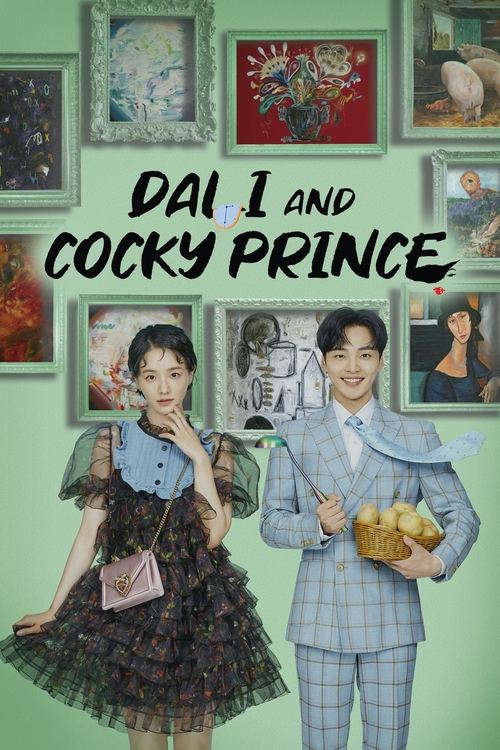
Dali & Cocky Prince
A vibrant collision of haute-couture elegance and earthy street pragmatism, Dali & Cocky Prince wraps a warm, tender romance in whimsical wit, unfolding like a delicate classical oil painting unexpectedly splashed with bold, irrepressible modern colors.
Dali & Cocky Prince

Dali & Cocky Prince

달리와 감자탕

22 September 2021 — 11 November 2021 South Korea 1 season 16 episode Ended 7.3 (130)

Cast: Park Gyu-young, Kim Min-jae, Kwon Yul, Hwang Hee, Yeon Woo

Drama Comedy High Art vs. Street Pragmatism (Intrinsic vs. Market Value) Authenticity vs. Pretentious Elitism & Social Masks Chosen Family, Bloodlines, and Unconditional Acceptance Institutional Integrity vs. Predatory Corporate Greed

Overview

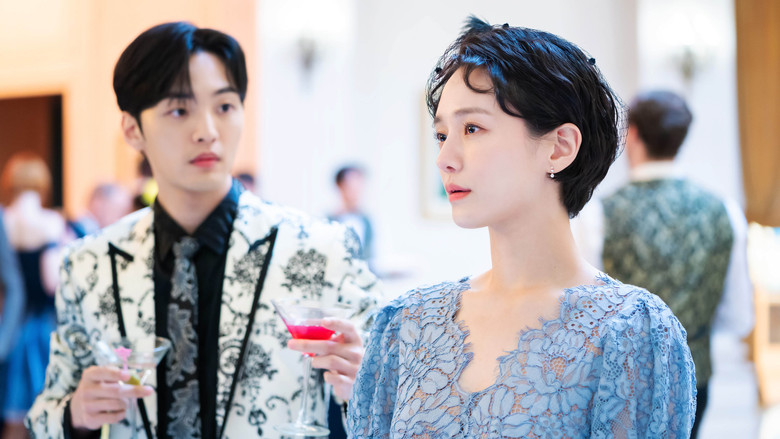
Dali & Cocky Prince follows the serendipitous collision between Kim Dali, an erudite, polyglot art scholar, and Jin Moo-hak, the boisterous, pragmatic director of Dondon F&B, a multi-billion-won restaurant empire built from humble gamja-tang (pork back-bone stew) stalls. Their paths first cross in the Netherlands due to a comical airport mix-up involving an art patron, sparking an enchanting night of mutual intrigue before reality pulls them apart.

When Dali's father suddenly passes away under mysterious circumstances, she returns to South Korea to take charge of the prestigious yet financially crippled Cheong-song Art Museum. Moo-hak, whose family company is the gallery's largest single creditor owed 2 billion won, storms the museum to collect his investment. Upon discovering that his debtor is the woman who captivated him in Amsterdam, Moo-hak decides to oversee operations directly, attempting to transform an unprofitable cultural relic into a viable business.

As Dali and Moo-hak work side by side to stage innovative exhibitions and keep creditors at bay, their opposing perspectives on life and commerce steadily evolve into deep mutual respect and romance. Together, they navigate corporate sabotage, predatory redevelopment schemes spearheaded by Dali's elite ex-fiancé Jang Tae-jin, and buried secrets surrounding the Cheong-song family legacy.

Core Meaning

The central message of Dali & Cocky Prince is that genuine human worth cannot be measured by pedigree, intellectual elitism, or material wealth. By juxtaposing fine art with the blue-collar pragmatism of the food trade, the drama critiques high-society pretension and transactional corporate alliances. True value emerges from sincere compassion, steadfast integrity, and unconditional acceptance. The series demonstrates that practical grit can preserve art, and art can infuse warmth into hard-earned prosperity.

Thematic DNA

High Art vs. Street Pragmatism (Intrinsic vs. Market Value) 30%
Authenticity vs. Pretentious Elitism & Social Masks 25%
Chosen Family, Bloodlines, and Unconditional Acceptance 25%
Institutional Integrity vs. Predatory Corporate Greed 20%

High Art vs. Street Pragmatism (Intrinsic vs. Market Value)

The series navigates the tension between Dali's belief in art's transcendent, emotional power and Moo-hak's bottom-line calculations based on bowls of gamja-tang. Over time, both leads integrate each other's strengths: Dali learns fiscal discipline, while Moo-hak learns to appreciate creative labor and emotional resonance.

Authenticity vs. Pretentious Elitism & Social Masks

High-society elites are depicted as morally compromised, hiding greed and cruelty behind refined manners. Conversely, Moo-hak is unpolished and loud yet honest and fiercely loyal, proving that true nobility stems from character rather than elevated social status.

Chosen Family, Bloodlines, and Unconditional Acceptance

Dali's background as an adopted daughter is weaponized by elitist peers, but Moo-hak dismisses these prejudices by valuing who she is rather than her biological lineage. Alongside Moo-hak's blended family, the narrative reinforces that genuine kinship is defined by loyalty and care.

Institutional Integrity vs. Predatory Corporate Greed

The overarching conflict explores the preservation of Cheong-song Art Museum as a public cultural sanctuary against the predatory redevelopment agenda of Century Group, critiquing the commodification of communal spaces by financialized capitalism.

Character Analysis

Kim Dali

Park Gyu-young

Archetype: The Resilient Innocent / Heroine Key Trait: Gentle grace combined with unyielding moral courage.

Motivation

Initially strives to protect her deceased father's legacy, later evolving to forge her own self-determined future and protect her loved ones.

Character Arc

Evolves from an idealistic, sheltered scholar into an assertive, shrewd museum director capable of defending her institution while preserving her empathy.

Jin Moo-hak

Kim Min-jae

Archetype: The Rough Diamond / Pragmatic Hero Key Trait: Streetwise financial acumen and transparent honesty.

Motivation

Initially motivated by recovering his 2 billion won investment, later becoming Dali's steadfast protector and artistic enabler.

Character Arc

Transitions from an unrefined, profit-obsessed creditor into an emotionally mature partner who recognizes value beyond balance sheets.

All 5 characters and cast

Symbols & Motifs

Gamja-tang (Pork Bone Stew)

Meaning:

Symbolizes grounding, survival, and the honest labor of the working class, serving as Moo-hak's universal unit of tangible value against inflated societal illusions.

Context:

Used throughout the series by Moo-hak to calculate cultural and financial costs into concrete, working-class food portions.

Dali’s Luxury Watch

Meaning:

Represents their initial bond, mutual debt, and the bridge connecting Dali's refined world with Moo-hak's practical perspective.

Context:

Given to Moo-hak by Dali as collateral during their first encounter in the Netherlands.

The Cheong-song Art Museum Building

Meaning:

Stands for cultural memory, spiritual heritage, and an emotional sanctuary vulnerable to ruthless commercial exploitation.

Context:

Serves as the primary battleground between corporate redevelopment interests and artistic preservation.

Moo-hak’s Flashy Designer Suits

Meaning:

Symbolize new money seeking validation in a pedigree-obsessed society, gradually softening as his inner confidence solidifies.

Context:

Worn by Moo-hak in business and gallery settings, evolving alongside his emotional maturity.

Abstract Art & Visual Metaphors

Meaning:

Reflect the characters' internal psychological states, ranging from chaos and dread to clarity, artistic rebirth, and love.

Context:

Featured across the museum's rotating exhibitions and gallery installations.

Memorable Quotes

입양됐다고 해서 당신이 달라집니까?
— Jin Moo-hak

Context

Spoken in Episode 12 when Dali tearfully reveals her insecurity about being an adopted child.

Meaning

Dispels Dali's shame regarding her adoption, reinforcing that social lineage does not determine a person's worth.

감자탕 몇 그릇 값인지 알아?
— Jin Moo-hak

Context

A recurring catchphrase used in early episodes when evaluating museum budgets.

Meaning

Establishes Moo-hak's grounded, pragmatic personality by converting cultural expenditures into working-class food terms.

All 4 quotes

Episode Highlights

Can Art Feed You?

S1E1

Introduces Dali and Moo-hak in the Netherlands following a comedic airport mix-up, establishing their immediate chemistry and contrasting worldviews.

Significance:

Sets up the thematic clash between refined high art and practical commercial enterprise.

The Night in Amsterdam

S1E2

Deepens their romantic connection before Dali receives news of her father's unexpected death and rushes back to Korea.

Significance:

Establishes the emotional stakes and the foundational bond between the leads before crisis strikes.

The 2 Billion Won Debtor

S1E4

Moo-hak storms the Cheong-song Art Museum to reclaim his 2 billion won, only to discover Dali is the indebted heir.

Significance:

Pivots their relationship into a creditor-debtor partnership as Moo-hak takes over museum management.

The Space Exhibition

S1E7

The museum launches a major modern exhibition despite external corporate sabotage and skepticism.

Significance:

Validates Dali and Moo-hak's joint capabilities, proving their combined strengths can outmaneuver elite hostility.

Crossing the Line

S1E10

Moo-hak confronts Dali about her true feelings following misunderstandings surrounding Tae-jin, culminating in a romantic kiss.

Significance:

Marks the official transition from business allies to romantic partners.

Pedigree and Worth

S1E12

Dali's adoption is leaked to trigger a public scandal, prompting Moo-hak's passionate defense of her true value.

Significance:

Subverts traditional melodrama tropes by providing unconditional validation and solidarity.

The Trap and the Sacrifice

S1E15

Tae-jin's role in Director Kim's death and the redevelopment conspiracy is uncovered, during which Moo-hak is critically injured defending evidence.

Significance:

Brings the central corporate mystery to a climax and tests the leads' mutual commitment.

An Ordinary Yet Extraordinary Love

S1E16

Tae-jin is disgraced, the museum is safeguarded, and Moo-hak proposes to Dali inside the thriving gallery after subverting a fake breakup trope.

Significance:

Delivers a definitive resolution that celebrates healthy communication, artistic preservation, and romantic fulfillment.

Philosophical Questions

Can culture survive without commerce, or does commerce inevitably corrupt culture?

Explores whether art must adapt to market realities to remain sustainable or whether financialization inherently destroys its soul.

Is human identity defined by social lineage or personal integrity?

Deconstructs traditional notions of pedigree and class through Dali's adoption arc and Moo-hak's unrefined working-class background.

What constitutes genuine justice when the powerful manipulate the law?

Examined through Tae-jin's ultimate downfall, where social exposure and moral failure bring about poetic retribution.

Alternative Interpretations

Critics frequently interpret the series through two primary lenses:

Full ending explanation

Cultural Impact

Airing in autumn 2021 on KBS2, Dali & Cocky Prince achieved solid domestic ratings peaking at 5.7% and gained a strong international following on streaming platforms like Rakuten Viki and KOCOWA. The series received acclaim for popularizing contemporary art and museum curation, bridging highbrow gallery culture with everyday viewers.

At the 2021 KBS Drama Awards, it won multiple accolades, including the Excellence Award (Actor in a Mini-Series) for Kim Min-jae, Best New Actress for Park Gyu-young, and the Best Couple Award for the two leads.

Audience Reception

Dali & Cocky Prince received widespread acclaim for its witty writing, balanced pacing, and electric lead chemistry. Critics praised Park Gyu-young for blending vulnerability with resilient grace, while Kim Min-jae earned universal praise for transforming into a loud, charismatic, and lovable comedic powerhouse.

Although a small minority found the opening episodes in the Netherlands slightly chaotic or the secondary corporate villains conventional, audience reception remained enthusiastically positive, particularly celebrating the avoidance of the noble idiocy trope.

Interesting Facts

  • Directed by Lee Jung-sub, known for helming popular dramas like Healer (2014) and Angel's Last Mission: Love (2019).
  • Marked Park Gyu-young's breakthrough lead role in a romance drama, earning her Best New Actress at the 2021 KBS Drama Awards.
  • Kim Min-jae contributed numerous ad-libbed comedic reactions, physical gags, and spontaneous dance movements during filming.
  • Park Gyu-young underwent language coaching to deliver authentic English dialogue and art terminology for the Netherlands scenes.
  • The production team collaborated with real-world contemporary artists to furnish the museum set with authentic artworks rather than generic props.

Easter Eggs

Salvador Dalí Homage

The protagonist's name, Kim Dali, and her whimsical aesthetic taste serve as an intentional tribute to the surrealist artist Salvador Dalí.

Hong Seok-cheon Cameo

Renowned restaurateur and TV personality Hong Seok-cheon makes a special appearance in Episode 1 as a distinguished chef.

Subversion of K-Drama Tropes

The show deliberately parodies clichés such as noble separation, parental breakups, and sudden time-jumps by resolving misunderstandings with prompt communication.

Frequently Asked Questions

Explore More About This Movie

Dive deeper into specific aspects of the movie with our detailed analysis pages

Comments (0)

Leave a comment

No comments yet. Be the first to share your thoughts!

Similar Movies