Skip to content
DON'T TOY WITH ME, MISS NAGATORO
An electric, sun-drenched coming-of-age romantic comedy where agonizing teenage vulnerability dissolves into tender mutual devotion, mirroring a rough sketch gradually refined into a vibrant, sunlit canvas.
DON'T TOY WITH ME, MISS NAGATORO

DON'T TOY WITH ME, MISS NAGATORO

イジらないで、長瀞さん

11 April 2021 — 26 March 2023 Japan 2 season 24 episode Ended 8.2 (828)

Cast: Sumire Uesaka, Daiki Yamashita, Mikako Komatsu, Aina Suzuki, Shiori Izawa

Drama Animation Comedy Breaking the Shell & Self-Actualization Vulnerability Disguised as Teasing Art and Passion as Emotional Communication Social Belonging and Found Support Systems

Overview

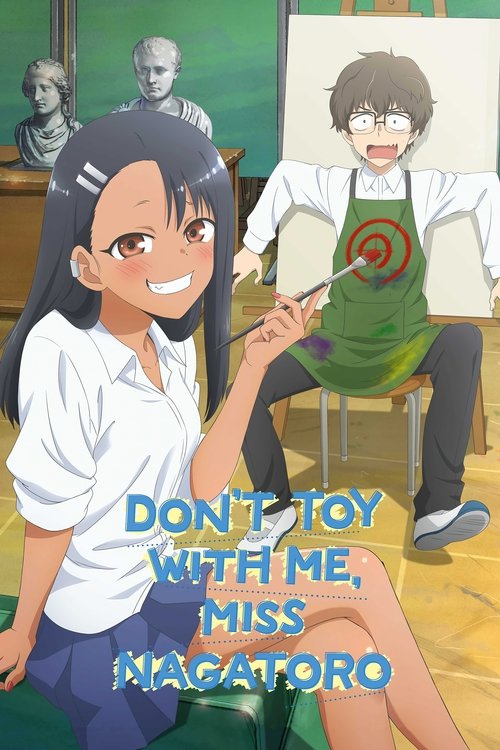
DON’T TOY WITH ME, MISS NAGATORO follows the turbulent and transformative dynamic between Naoto Hachiouji—an introverted, insecure high school artist known simply as "Senpai"—and Hayase Nagatoro, an energetic, expressive first-year athlete. Their initial encounter in the school library begins with Nagatoro discovering Naoto’s amateur manga and ruthlessly teasing him to tears. However, what starts as sharp sadodere antagonism quickly transforms into a persistent daily routine in the Art Club room, where her relentless prodding forces Naoto out of his shell of self-imposed isolation.

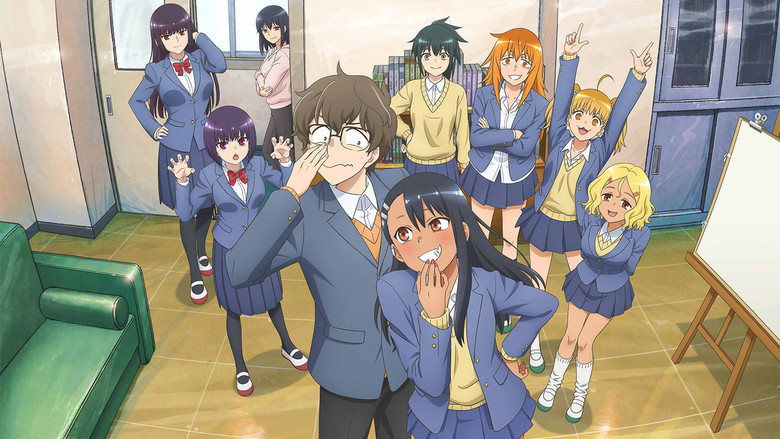
Across two seasons—Season 1 and Season 2 (2nd Attack)—the story chronicles their mutual growth. As Nagatoro introduces her colorful friend circle (Gamo-chan, Yoshi, and Sakura) and club rivals into Naoto’s quiet world, Naoto learns to stand up for himself, voice his convictions, and take pride in his passions. Simultaneously, Nagatoro confronts her own hidden vulnerabilities, fear of earnest emotional honesty, and abandoned athletic ambitions in judo.

The overarching narrative shifts from chaotic adolescent posturing to a deeply supportive partnership. By challenging each other's fears through art competitions, training sessions, and school events, the duo moves from awkward acquaintances locked in playful combat to mutual muses whose lives are fundamentally elevated by each other's presence.
Core Meaning

The core thesis of DON’T TOY WITH ME, MISS NAGATORO is that genuine intimacy requires tearing down emotional defense mechanisms through active engagement and shared vulnerability. The creators convey that growth rarely happens in isolated comfort zones; sometimes, meaningful change requires an external catalyst to disrupt passive avoidance. Through its evolving dynamic, the series illustrates that playful challenge—when rooted in genuine care—can serve as a powerful vehicle for building self-worth, courage, and reciprocal emotional maturity.

Thematic DNA

Breaking the Shell & Self-Actualization 30%
Vulnerability Disguised as Teasing 25%
Art and Passion as Emotional Communication 25%
Social Belonging and Found Support Systems 20%

Breaking the Shell & Self-Actualization

In early Season 1, Naoto exists purely in a defensive crouch, apologizing reflexively and dodging eye contact. Nagatoro’s provocations serve as trial-by-fire exposure therapy, forcing him to assert his boundaries and voice. In Season 2 (2nd Attack), this theme matures as Naoto actively initiates conversations, defends Nagatoro from outside pressures, and finds internal drive beyond merely reacting to her.

Vulnerability Disguised as Teasing

Teasing functions as Nagatoro's emotional armor. Unwilling to risk outright rejection, she frames affection as sadomasochistic mockery ("You're so gross, Senpai!"). Over time, this defense deconstructs; the teasing becomes softer, more flirtatious, and openly protective against anyone else trying to pick on him.

Art and Passion as Emotional Communication

Naoto’s sketchbook is the focal point of the series. Initially an escapist hobby used to hide from reality, art becomes his primary vehicle for expressing profound appreciation for Nagatoro. When spoken words fail them, his sketches capture her true essence, inspiring her to re-engage with her own abandoned craft—competitive judo.

Social Belonging and Found Support Systems

Starting as total outcasts from each other's social circles, Naoto is gradually integrated into Nagatoro's friend group (Gamo, Yoshi, Sakura). In Season 2, the friends transition from instigators into genuine allies and wing-women who conspire to bring the pair together, illustrating how social acceptance fosters personal confidence.

Character Analysis

Hayase Nagatoro

Sumire Uesaka / Kimberley Anne Campbell

Archetype: Sadodere / Tsundere Foil Key Trait: Teasing exterior guarding genuine tenderness and jealousy.

Motivation

Initially seeks amusement and attention; evolves into wanting mutual recognition and a genuine romantic bond.

Character Arc

Begins as an unrestrained tormentor using aggressive teasing to hide affection; matures into an openly supportive romantic partner who reclaims her competitive judo spirit through Naoto's encouragement.

Naoto Hachiouji ("Senpai")

Daiki Yamashita / Erik Kimerer

Archetype: Reluctant Hero / Coming-of-Age Protagonist Key Trait: Boundless artistic empathy and hard-won resilience.

Motivation

Moves from avoiding confrontation and ridicule to actively wanting to be someone worthy of standing beside Nagatoro.

Character Arc

Starts as a cowardly, passive shut-in terrified of conflict; evolves across two seasons into a determined young man capable of asserting himself, challenging superiors, and openly chasing his ambitions.

All 4 characters and cast

Symbols & Motifs

The Sketchbook / Canvas

Meaning:

Symbolizes Naoto's internal world and perception.

Context:

In Season 1, it holds fantasy escapism; in Season 2, it becomes a mirror reflecting the reality, beauty, and emotional intensity of the person in front of him.

The Tan Lines

Meaning:

Represents Nagatoro’s athletic past (swimming/judo) and contrasting vitality against Naoto’s pale, indoor lifestyle.

Context:

The gradual shifting of tan lines underscores seasonal progression and bodily intimacy.

The Cat / Neko Expressions

Meaning:

Symbolizes predatory playfulness masking domestic affection.

Context:

Nagatoro frequently manifests literal feline visual traits (slit eyes, sharp fangs, noodle arms) during teasing bouts.

The Art Club Room

Meaning:

The sanctuary and battleground of their relationship.

Context:

It serves as a liminal space where societal rules and high school hierarchy fade away, allowing authentic connection to blossom.

Contact Lens / Eyeglasses

Meaning:

Acts as a physical barrier shielding Naoto's gaze.

Context:

Moments when glasses are misplaced, fogged, or removed represent heightened intimacy, unfiltered sight, and vulnerability.

Memorable Quotes

センパイって、ほんとキモいっスね!
— Hayase Nagatoro

Context

Delivered prominently in Season 1, Episode 1 and recurrently across both seasons during teasing exchanges.

Meaning

The quintessential catchphrase of the series. Used initially as genuine verbal abuse, it morphs throughout both seasons into a term of endearment and an involuntary blush-masking defense mechanism.

長瀞さんを…描きたいんだ。今の、ありのままの長瀞さんを!
— Naoto Hachiouji (Senpai)

Context

Spoken during the Art Festival preparation in Season 1, Episode 11.

Meaning

Marks Senpai’s decisive transition from passive student to an artist driven by personal devotion and artistic autonomy.

All 3 quotes

Episode Highlights

Senpai Is a Bit... / Senpai, Aren't You Ever Angry?

S1E1

The infamous inciting incident where Nagatoro encounters Naoto in the library and discovers his manga.

Significance:

Establishes the harsh initial friction in the library, drawing clear boundaries between Senpai's passive worldview and Nagatoro's disruptive entrance into his life.

Senpai, Won't You Come to the Beach?

S1E6

The dynamic breaks out of the school setting as Senpai accompanies Nagatoro and her friends to the beach.

Significance:

Senpai stands up to aggressive beach-goers to defend Nagatoro, earning mutual respect and establishing their burgeoning protective dynamic.

What Do You Think, Senpai? / Art Is Thus To Pursue!

S1E11

The crisis of the Art Festival unfolds under the threat of the Art Club's closure by the President.

Significance:

Senpai resolves to paint Nagatoro honestly, rejecting easy gimmicks and confronting creative anxiety.

Has Spring Come for You, the Unpopular Loner Senpai?

S1E12

The Season 1 finale featuring the conclusion of the Art Festival exhibition.

Significance:

Senpai’s portrait wins popular acclaim; Nagatoro rewards him with a sudden cheek kiss, cementing the undeniable shift from bully-victim to mutual romantic interests.

Is That All You've Got, Senpai?

S2E5

Naoto visits Nagatoro's home during a sick day.

Significance:

Naoto navigates domestic intimacy and interacts casually with Nagatoro's older sister, marking substantial progress in entering her private life.

Senpai, You Look Like You Have Something to Say!

S2E9

The reintroduction of competitive judo stakes into Nagatoro's life.

Significance:

Naoto encourages Nagatoro to return to the dojo, solidifying his role as her emotional anchor rather than just her sidekick.

Senpai, Would You Like to Practice Kissing?

S2E12

The Season 2 finale focusing on their pseudo-date at the aquarium.

Significance:

Establishes a future romantic promise (the "reward kiss" for winning their respective goals), setting the stage for full romantic resolution.

Philosophical Questions

Can confrontation and provocation serve as forms of authentic care?

The series explores whether gentle validation or aggressive disruption is more effective at pulling individuals out of chronic stagnation.

Where does playful banter end and emotional abuse begin?

The narrative interrogates how intent, consent, and dynamic balance determine whether sharp interactions wound or strengthen bonds.

What is the true function of art—technical perfection or emotional resonance?

Explored through the conflict between the President's rigid mastery and Senpai's expressive, flawed, yet profoundly personal devotion.

Alternative Interpretations

Several alternative lenses exist for interpreting the series:

Full ending explanation

Cultural Impact

The series made a prominent mark in modern anime culture through several avenues:

  • The Rise of the "Teasing Rom-Com" Subgenre: Premiering alongside contemporary works like Teasing Master Takagi-san and Uzaki-chan Wants to Hang Out!, Nagatoro pushed the teasing rom-com boom into more intense, ecchi, and emotionally dynamic territory.
  • Global Internet Meme Status: Nagatoro's exaggerated facial expressions, fangs, and cat-eyes spawned ubiquitous viral reaction images, gifs, and cosplay trends across global anime communities.
  • Western Critical Dissonance vs. Fan Acclaim: Early episodes met skepticism from some Western critics who misidentified the premise as unredeemable bullying. However, as the romantic trajectory and mutual growth emerged, audience perception shifted decisively into viewing it as one of modern anime's most satisfying slow-burn romances.

Audience Reception

Audience reception evolved significantly over the course of the broadcast:

  • Season 1 Reception: The premiere sparked intense online debate; viewers unfamiliar with the manga felt the opening bullying was too cruel. However, by the mid-season beach and festival episodes, consensus flipped dramatically, praising the sharp comedic timing and blooming sweetness.
  • Season 2 Reception: 2nd Attack received widespread acclaim for prioritizing emotional vulnerability, side-character chemistry, and romantic progression over repetitive teasing gags.
  • Overall Verdict: Regarded by the anime community as a standout modern romantic comedy that successfully overcomes an abrasive opening to deliver one of the most rewarding mutual-growth relationships of recent years.

Interesting Facts

  • The series originated in 2011 on Pixiv as a much darker, meaner webcomic created by mangaka Nanashi (774) before being restructured for commercial serialization in Magazine Pocket (2017).
  • Season 1 was animated by Telecom Animation Film under director Hirokazu Hanai (2021), whereas Season 2 (2nd Attack, 2023) switched production companies to Studio OLM (Team Inoue) directed by Shinji Ushiro.
  • Despite the studio switch, screenwriter Taku Kishimoto handled series composition and scriptwriting for both seasons, ensuring narrative continuity.
  • The score was composed by Gin from Busted Rose, blending upbeat jazz, rock grooves, and synthesizer stings tailored to sudden shifts between comedic slapstick and intimate tension.
  • Sumire Uesaka, who voiced Nagatoro, also performed both high-energy anime opening theme songs: "EASY LOVE" (Season 1) and "LOVE CRAZY" (Season 2).

Easter Eggs

Fighting Game Parodies

Multiple dream/gag sequences explicitly parody fighting franchises such as Street Fighter and retro arcade beat-em-ups, displaying full health bars, pixelated KO screens, and custom move inputs.

Classic Fantasy JRPG Tropes

Senpai’s internal fantasy daydreams portray him as a weak Dragon Quest-style hero or generic fantasy protagonist subjected to Nagatoro's demon-lord or succubus personas.

Art History Homages

The Art Club President’s exhibition pieces and dramatic poses frequently mimic classical statues, Leonardo da Vinci anatomical drawings, and post-renaissance dramatic portraits.

Manga Crossover Cameos

Background posters and cameos during festival scenes reference other popular Kodansha publications running concurrently in Magazine Pocket.

Frequently Asked Questions

Explore More About This Movie

Dive deeper into specific aspects of the movie with our detailed analysis pages

Comments (0)

Leave a comment

No comments yet. Be the first to share your thoughts!

Similar Movies